
Last updated November 21, 2026
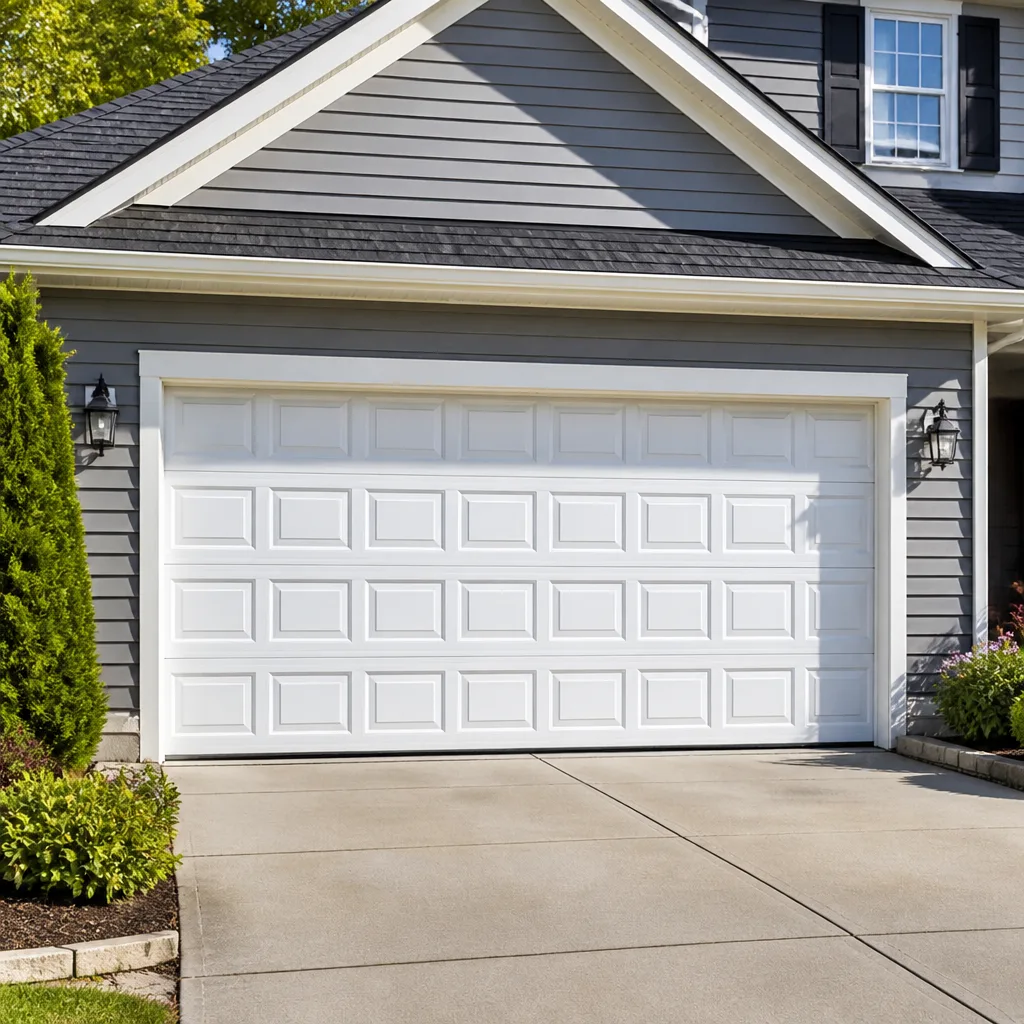 Raised-panel steel
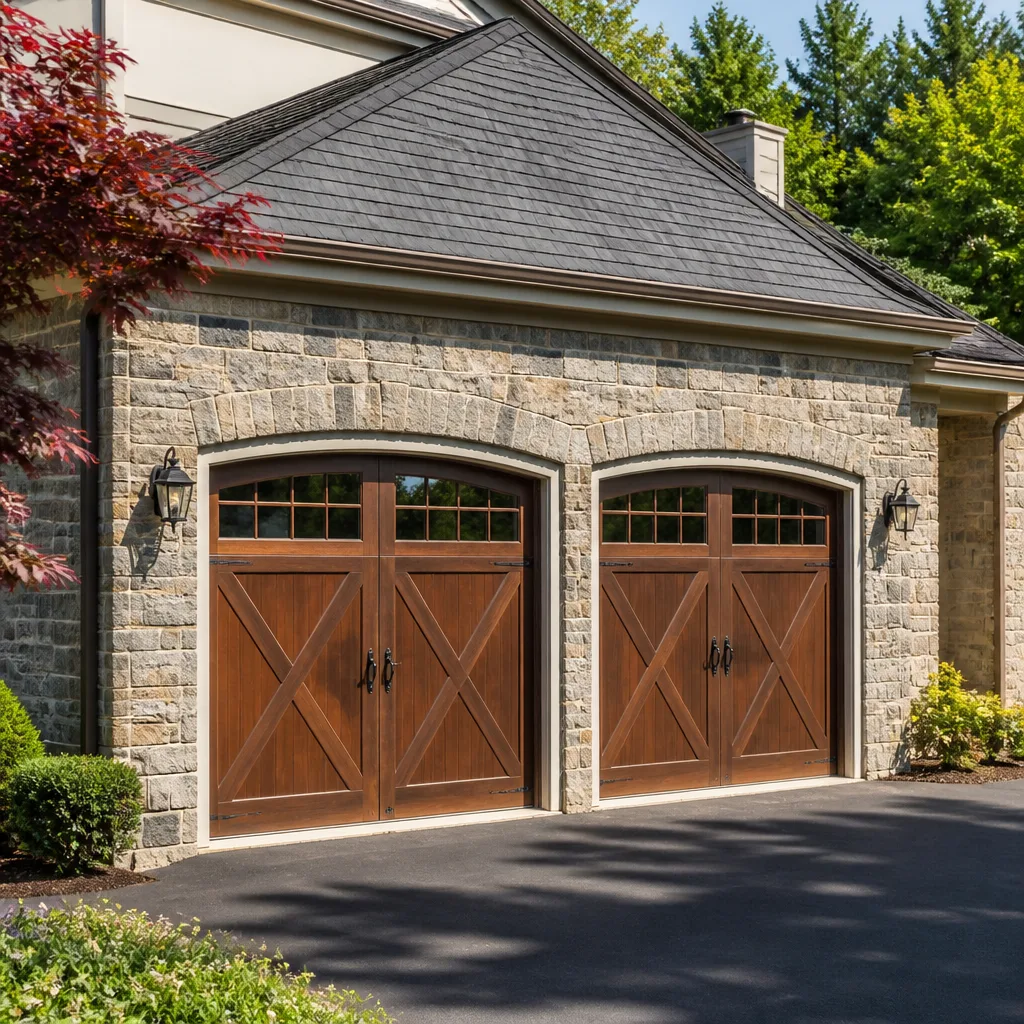 Carriage house
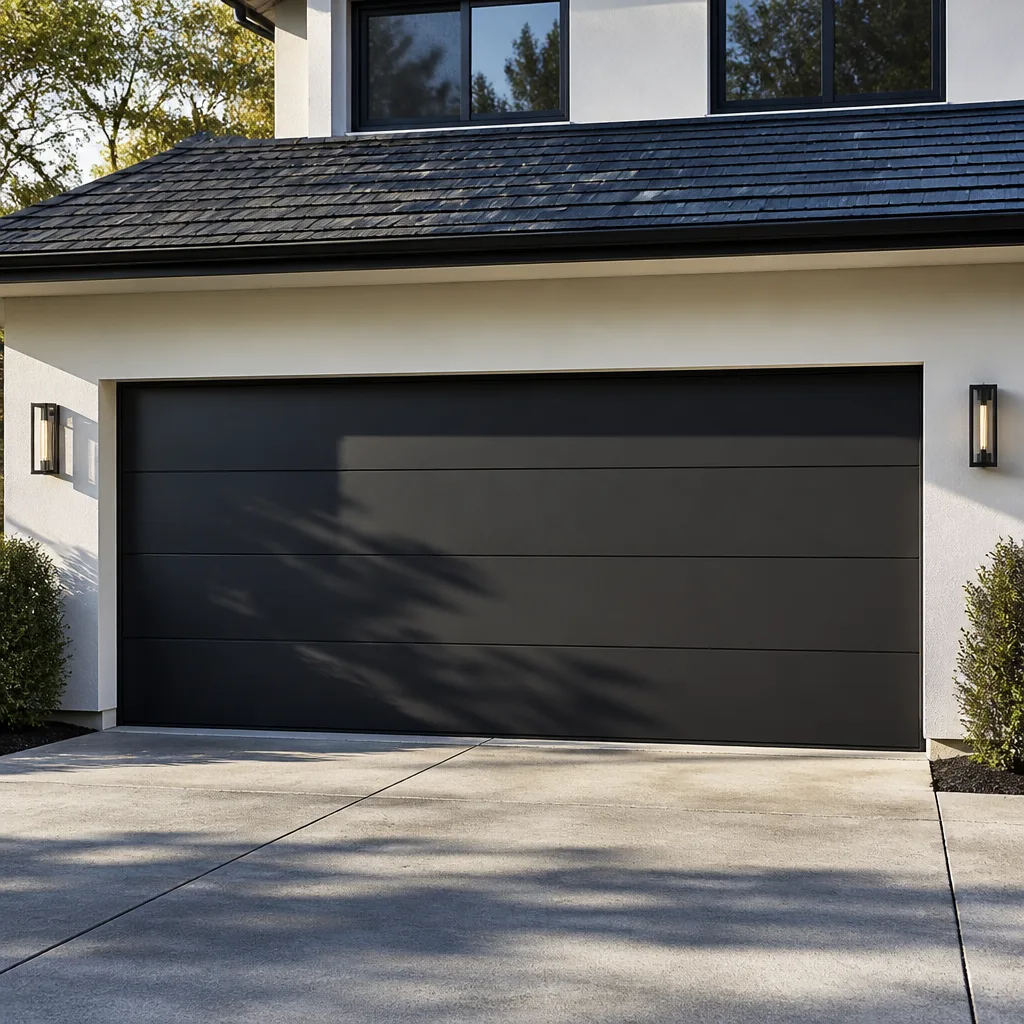 Modern flush
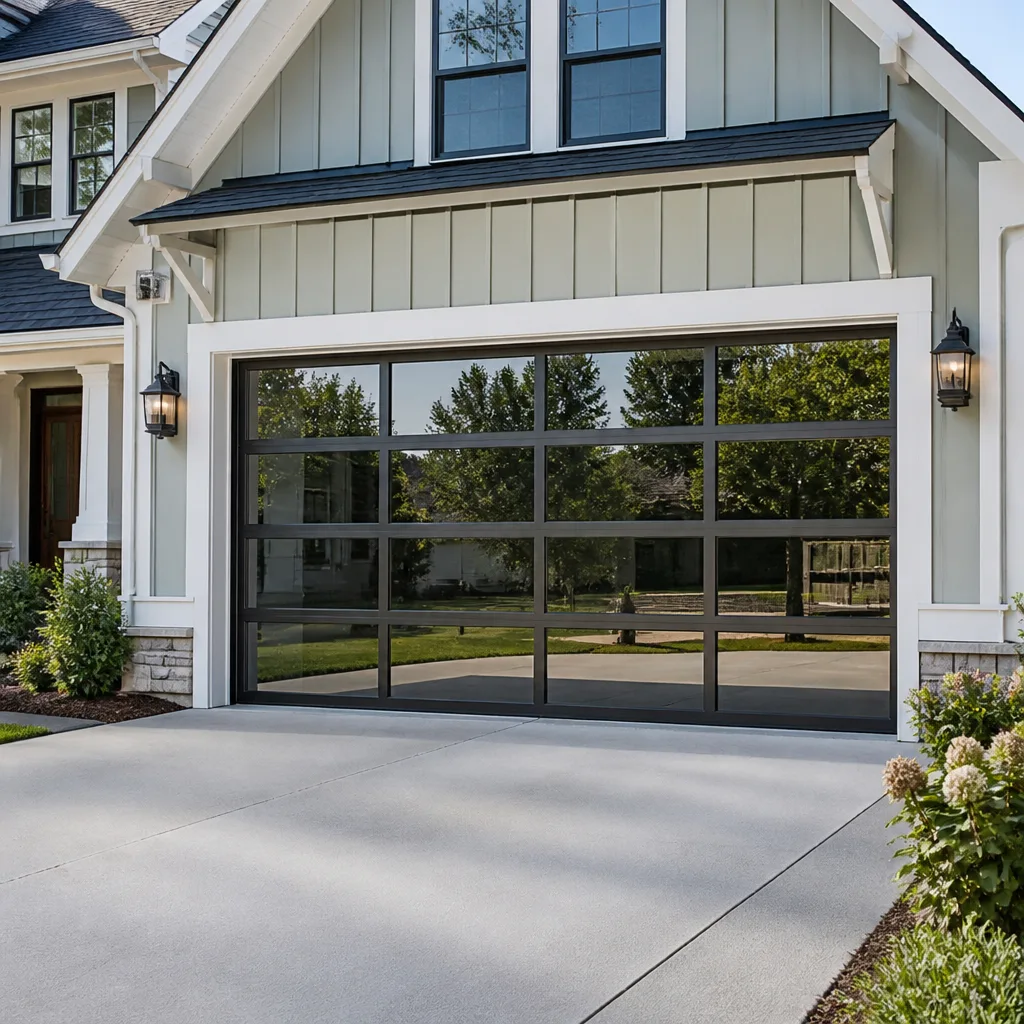 Full-view glass
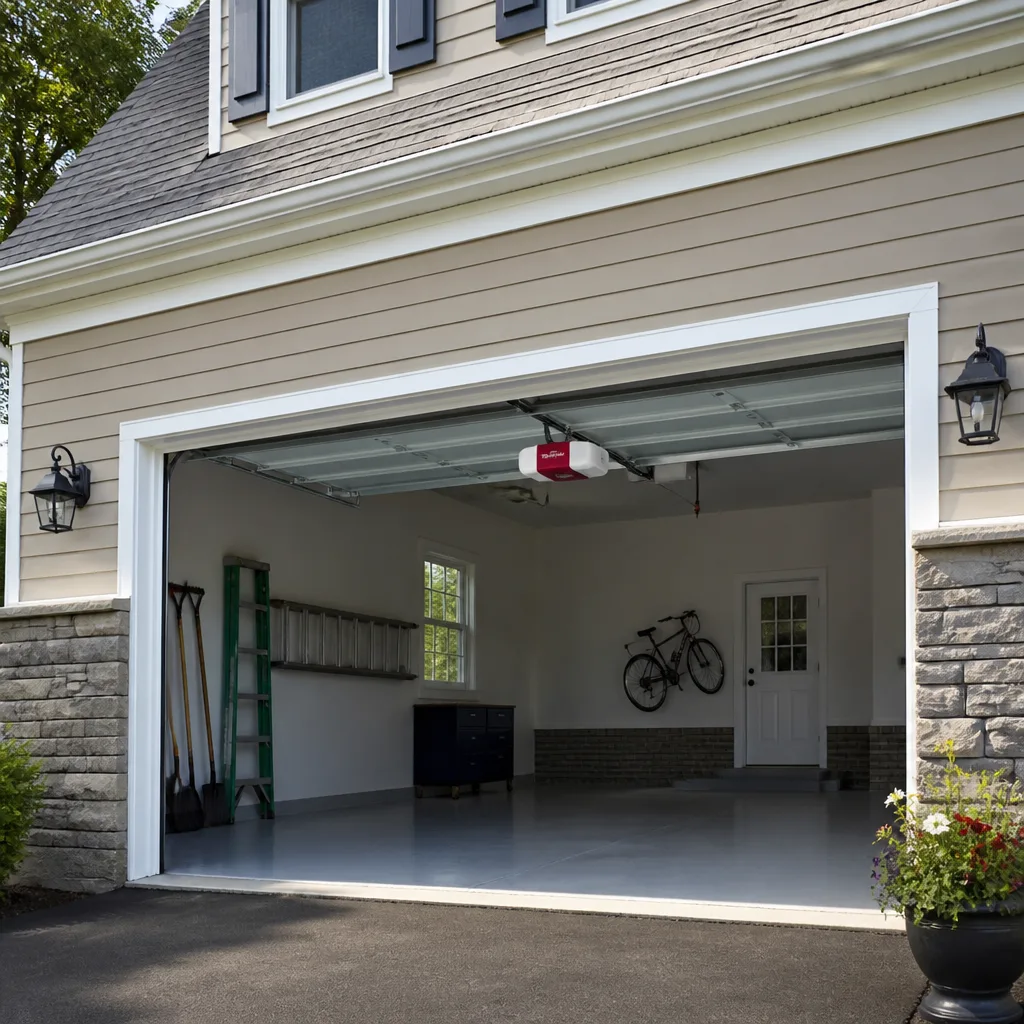 LiftMaster openers
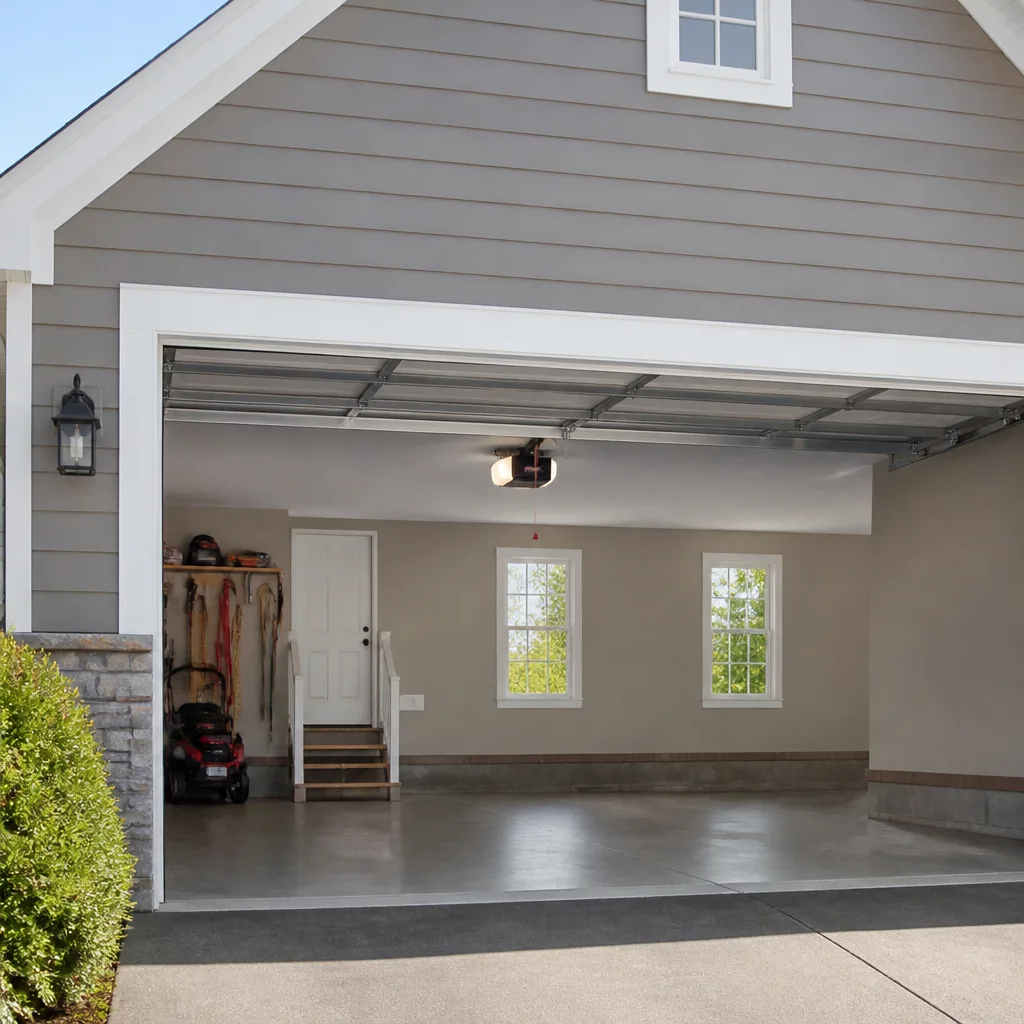 Chamberlain openers
Full 25-point door and opener safety check with every visit - springs, cables, rollers, tracks, and your LiftMaster or Chamberlain opener included
You get a price before we start. It does not change when the pro arrives.
Get your free estimateGarage Door Warning Signs: A Pasadena Homeowner’s Reference Guide
A garage door that hesitates for half a second before it moves is not “just getting old.” That pause is usually a torsion spring that has lost tension, and your opener motor is quietly making up the difference. Left alone, that motor will burn out within weeks of the spring going slack. Most homeowners treat doors as all-or-nothing: they work, or they break. The truth is messier and more useful. Failures leave a trail, and that trail runs component by component. In this guide we’ll walk through what each part of your door sounds like and looks like as it wears, how to tell an electrical problem from a mechanical one without tools, and which warning signs mean stop using the door today versus watch it closely. Everything here is written from what we see on Pasadena doors day to day.
Quick Answer
The most important garage door warning signs are a door that pauses before moving, a loud bang from above the door, uneven travel or a door that reverses on its own, and visible gaps in the weather seal. Of these, a snapped torsion spring and any door that comes down too fast are stop-using-it-now problems, while noise, slow travel and seal gaps can usually be monitored for a short window. Getting an inspection early almost always costs less than waiting for a part to fail completely.
Styles & brands we work with
- Raised-panel steel
- Carriage house
- Modern flush
- Full-view glass
- LiftMaster openers
- Chamberlain openers
Table of Contents
- What Each Component Sounds Like When It Fails
- Opener Problem or Door Problem? How to Tell Without Tools
- Pasadena Humidity: The Warning Signs You Only See Here
- The Safety Risk Hierarchy: When to Stop Using the Door
- How Warning Signs Differ by Brand
- A Seasonal Walk-Around for Pasadena Homes
- Common Mistakes to Avoid
- When to Call a Professional
What Each Component Sounds Like When It Fails
Experienced ears learn to separate a garage door’s noises the way a mechanic separates engine knocks. Each one points to a different part, and mixing them up wastes time and money. Here’s how the parts differ when they start to go.
A tired torsion spring doesn’t usually announce itself with a bang until the moment it snaps. Before that, it talks. The door lifts with a slight hesitation, the opener motor hums a beat longer than it should, and the door may feel heavier when you test it by hand with the opener disengaged. That heaviness is the spring no longer doing its share of the lifting. The motor is carrying the load, and motors aren’t built to do that for long.
A worn roller sounds like grinding or squealing as the door travels. Rollers wear flat spots and lose their smooth rotation, so the door rattles through the track instead of gliding. If the noise rises and falls in rhythm with the door’s movement, you’re listening to rollers or hinges, not the spring.
A failing opener gear has its own signature: a motor that runs but the door doesn’t move, or moves in stutters. That’s often the drive gear inside the opener stripping its teeth. It’s one of the more common opener failures we diagnose on LiftMaster and Chamberlain units, and it sounds nothing like a spring problem.
A loose or worn cable may show as a door that hangs slightly crooked near one corner. Cables work in pairs with the springs, and one that’s slipping drags the door out of level. That crookedness never fixes itself.
The practical rule: if the noise lives above the door center, think spring or opener. If it lives in the tracks or at the hinges, think rollers and hardware. Requesting Garage Door Repair Pasadena Pros by the symptom you hear is the fastest way to get the right parts on the first visit.
Opener Problem or Door Problem? How to Tell Without Tools
Half of the calls we get described as “the opener is broken” turn out to be a mechanical problem with the door. You can sort this out yourself in a few minutes, without a screwdriver, using a simple test cycle.
- Disconnect the opener. Pull the release handle so the door is moving by hand, not by motor.
- Lift the door halfway and let go. A door in good balance holds its position. One that sinks on its own is being weighed down by a failing spring or misadjusted track.
- Push it up and down slowly. Binding, grinding or a point where it sticks signals mechanical trouble in the door, not the opener.
- Reconnect and watch the opener. If the door was smooth by hand but the opener still struggles, the opener itself is the suspect.
- Check the wall button before you blame the motor. A door that won’t respond at all, but lights up when you press the button, points toward the electrical side (safety sensors, wiring, logic board).
Another quick signal: look at your opener’s indicator light or listen for the click of the relay. An opener that clicks but doesn’t move is usually electrical. An opener that hums and strains is usually fighting a heavy door.
When you call about garage door opener repair, tell us which of those two it is. That one detail tells us whether we’re bringing opener parts or addressing the door.
Pasadena Humidity: The Warning Signs You Only See Here
Pasadena’s Gulf Coast air leans humid most of the year, and that shapes which wear patterns show up on local doors. A garage in Pasadena isn’t a sealed box; humidity works its way in through gaps and settles on cold metal. That’s why some of the first warning signs here are visual, not audible.
- White mineral deposits on the tracks. You’ll see a chalky film or fine crusting where the metal meets the door’s rollers. That’s airborne moisture leaving minerals behind. Left alone, it turns into grit that grinds the rollers and track.
- Rust lines along panel edges. Look at the bottom edge of the lowest panel and the seams where panels join. Hairline rust there is an early sign that water is reaching the steel, and on a steel door it usually starts at the edges before it spreads.
- Seal compression loss. The rubber weather seal along the bottom flattens and hardens faster in humid air. When it stops springing back, gaps open at the floor, and those gaps are where insects and water get in.
- Swollen wooden frames. On wood-framed garages around older Pasadena neighborhoods, jamb sides can swell enough to bind a door near the bottom of its travel. The door isn’t broken; the frame has moved.
The fix pattern is mostly cleaning and maintenance. Wiping down tracks, lubricating rollers, and replacing a flattened seal keeps humidity from becoming a repair bill. If you spot rust creeping into the panel skin itself, schedule a look sooner rather than later. That’s the kind of thing our experienced technicians check as part of a routine service call.
The Safety Risk Hierarchy: When to Stop Using the Door
Not every warning sign carries the same urgency, and treating all of them as emergencies wastes money. Treating a serious one as minor is how people get hurt. Sort the signs into three tiers.
Stop using the door now. If the torsion spring has snapped (you’ll hear a sharp bang from above), if the door drops fast when released, if a cable is visibly frayed or hanging, or if the door is so crooked it binds, do not operate it. Take the door out of service: disconnect the opener and keep the door down. Springs and cables are under high tension, and a working door can fail unpredictably while they’re compromised. Springs are not a DIY fix, and this is exactly why. Call a specialist.
Monitor closely and schedule service soon. Uneven travel, loud grinding or grinding rollers, a door that reverses on its way down, or an opener that clicks but doesn’t move. None of these are likely to injure anyone on the next opening, but all of them will progress. Book a repair within days.
Watch and maintain. Squeaks that resolve with lubrication, a hardened bottom seal, a loose hinge screw. These are the maintenance-level items that keep a door healthy.
How Warning Signs Differ by Brand
Brand-specific design changes how a failing part announces itself. Knowing the pattern for your system saves diagnostic time and makes it easier to describe the problem when you call.
LiftMaster openers tend to give clear feedback through their indicator light and safety sensors. When the door won’t close, the first thing to check is the alignment and LED light on the safety sensors; a misaligned sensor is a regular cause of “won’t close” calls. LiftMaster’s drive gear can also strip on older units, showing as a motor that runs but doesn’t move the door.
Chamberlain openers share much of the same internal logic, and their failure signs are similar: sensor faults, stripped gears, and logic board issues that show up as intermittent operation. On both brands, erratic behavior that comes and goes often points to the electrical side rather than the door itself.
Wayne Dalton doors have their own panel and hardware geometry. On older Wayne Dalton doors, worn hinges and rollers can bind before the spring fails, so the first sign is often a door that drags near one end of its travel.
Clopay doors are common on Pasadena homes, and their panel construction means rust shows up along the bottom edges and seams first. Check those lines in humid months.
If you want to go deeper on any of these, our garage door repair service covers diagnostics by brand, so the technician arrives already familiar with the system. That’s the advantage of a specialist over a generalist: the brand tells us where to look first.
A Seasonal Walk-Around for Pasadena Homes
A ten-minute walk-around once a season catches most of the warning signs before they turn into failures. Here’s the sequence we use, and the order matters because each step tells you what to check next.
- Look at the tracks. Any mineral film, rust, or debris? Wipe and note.
- Run the door and listen. A few full cycles. Separate the noises: above-center (springs), track-level (rollers), and opener-only (motor/gear).
- Test the balance. Disconnect the opener and lift the door halfway. It should hold. If it sinks, the spring is weakening.
- Check the bottom seal. A gap at the floor lets in water and pests. Replace a hardened seal.
- Test the auto-reverse. The door should reverse when it meets an obstacle. If it doesn’t, that’s a safety-system problem to fix before anything else.
- Inspect the panels and edges. Rust lines, dents, or separation.
- Check the opener’s sensor lights. Both should be solid, not blinking.
Run this in early summer and again in fall, when the humid stretch gives way to cooler air and seal shrinkage becomes easier to spot. If a step turns up something you don’t want to tackle, note it and get it looked at. Small issues caught in a walk-around are the cheapest repairs you’ll ever make.
Common Mistakes to Avoid
- Ignoring a hesitation. That half-second delay before the door moves is the single most common early sign of spring trouble. Treating it as “normal for an old door” is how a low-cost spring fix grows into an opener replacement.
- Forcing a door that’s stuck. If a door won’t open all the way, don’t keep hitting the button or pulling on it. A binding door with a compromised spring can snap a cable, and that’s when injuries happen.
- Trying to adjust a torsion spring yourself. This is the mistake that ends in hospital trips. Springs and cables are high-tension; proper tools and training are non-negotiable. Leave them to a specialist.
- Calling the first handyman you find. A generalist can swap a roller, but brand-specific faults (a Chamberlain logic board, a Wayne Dalton hinge geometry) need someone who knows the system. In Pasadena, where humid air ages hardware differently than inland, that familiarity pays off.
- Replacing the opener when the door is the problem. Run the balance test before buying a new motor. A heavy door is the most common reason openers fail, and a new opener on a failing door simply fails too.
- Neglecting the seal and tracks. A few minutes of cleaning and lubrication each season prevents the mineral film, rust lines and roller wear that humid Pasadena air accelerates.
- Waiting on a snapped spring. Once a spring goes, the door is effectively out of service. Book service immediately rather than using the door; the opener motor will be carrying a load far beyond its design.
See the difference
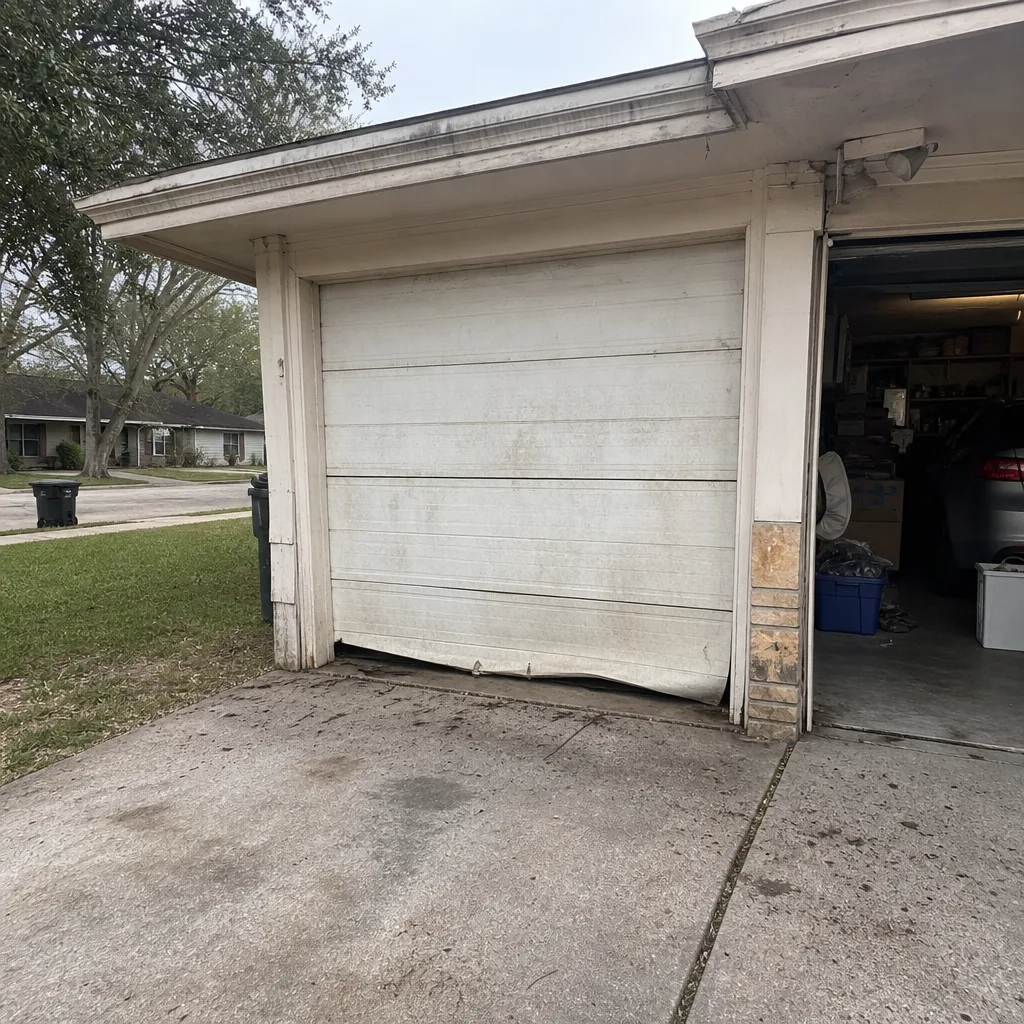 Before
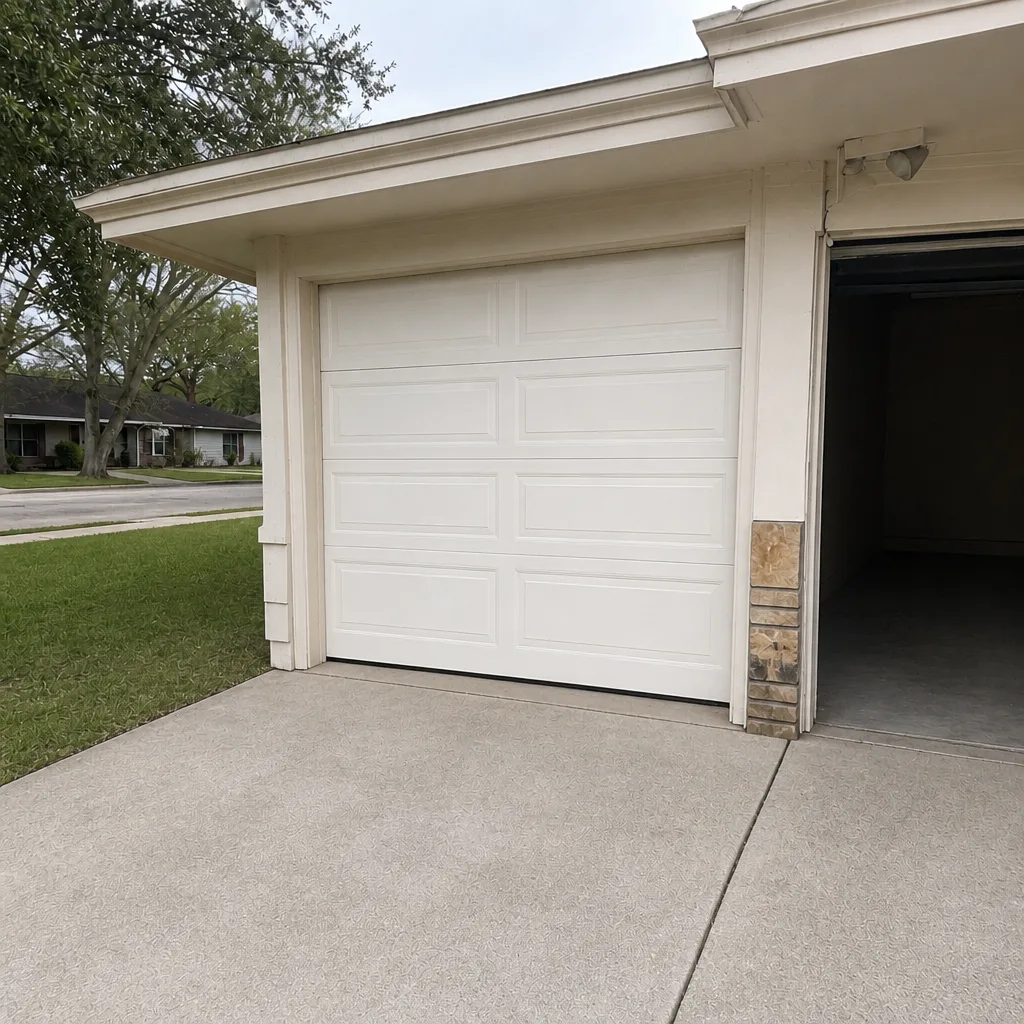 After
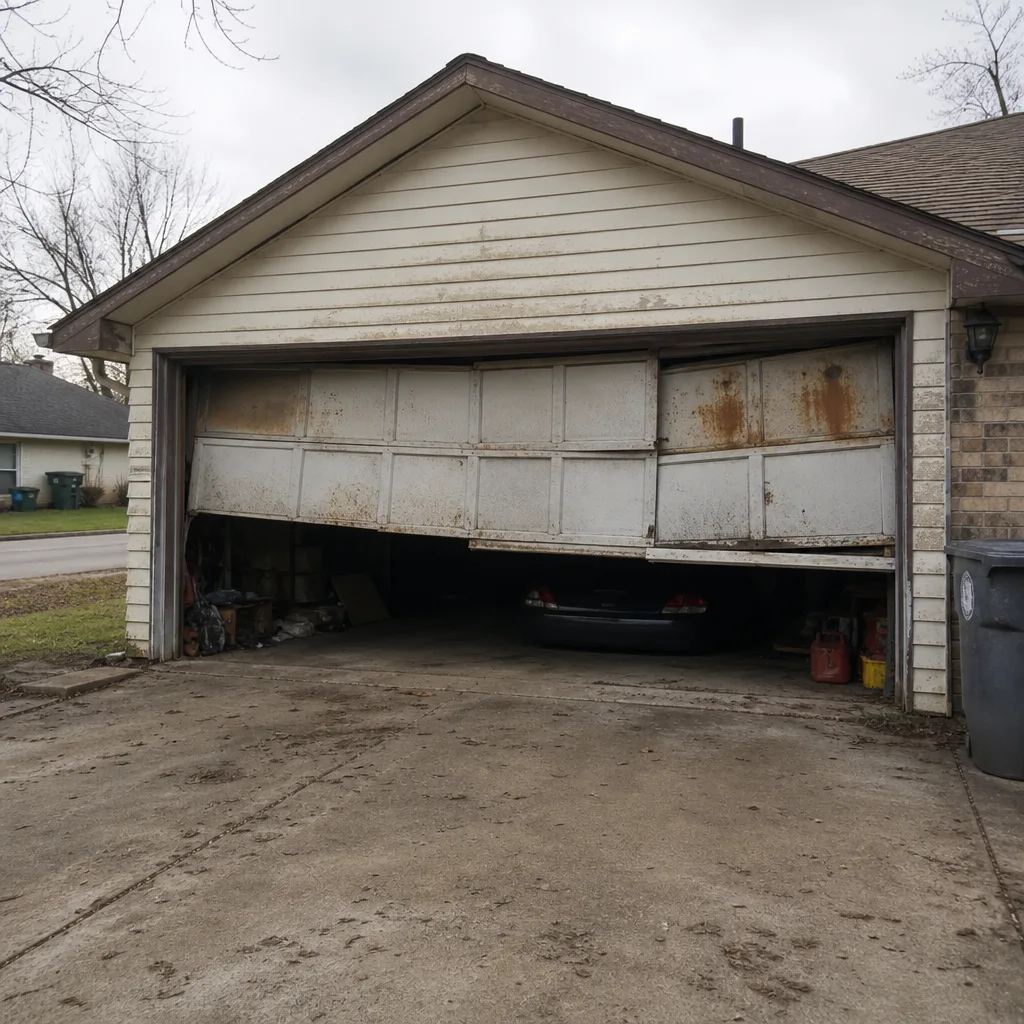 Before
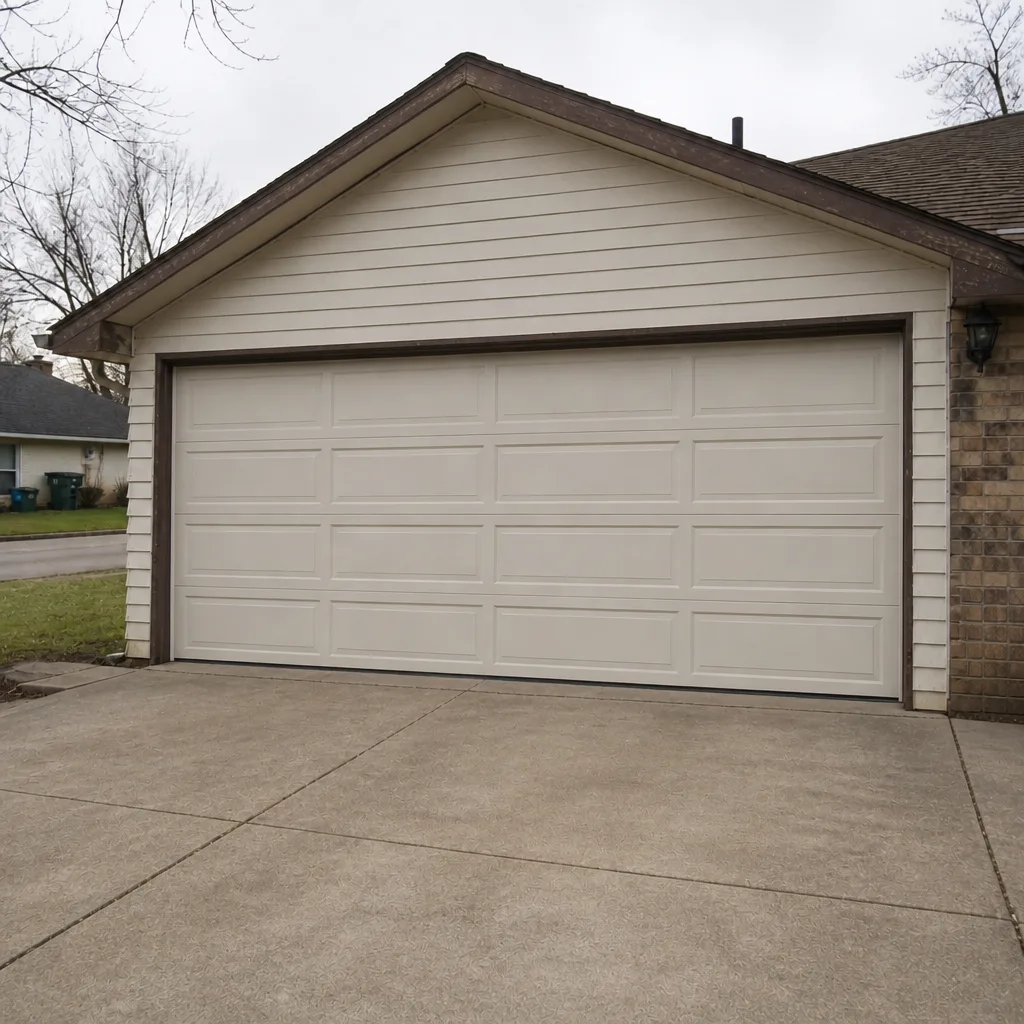 After
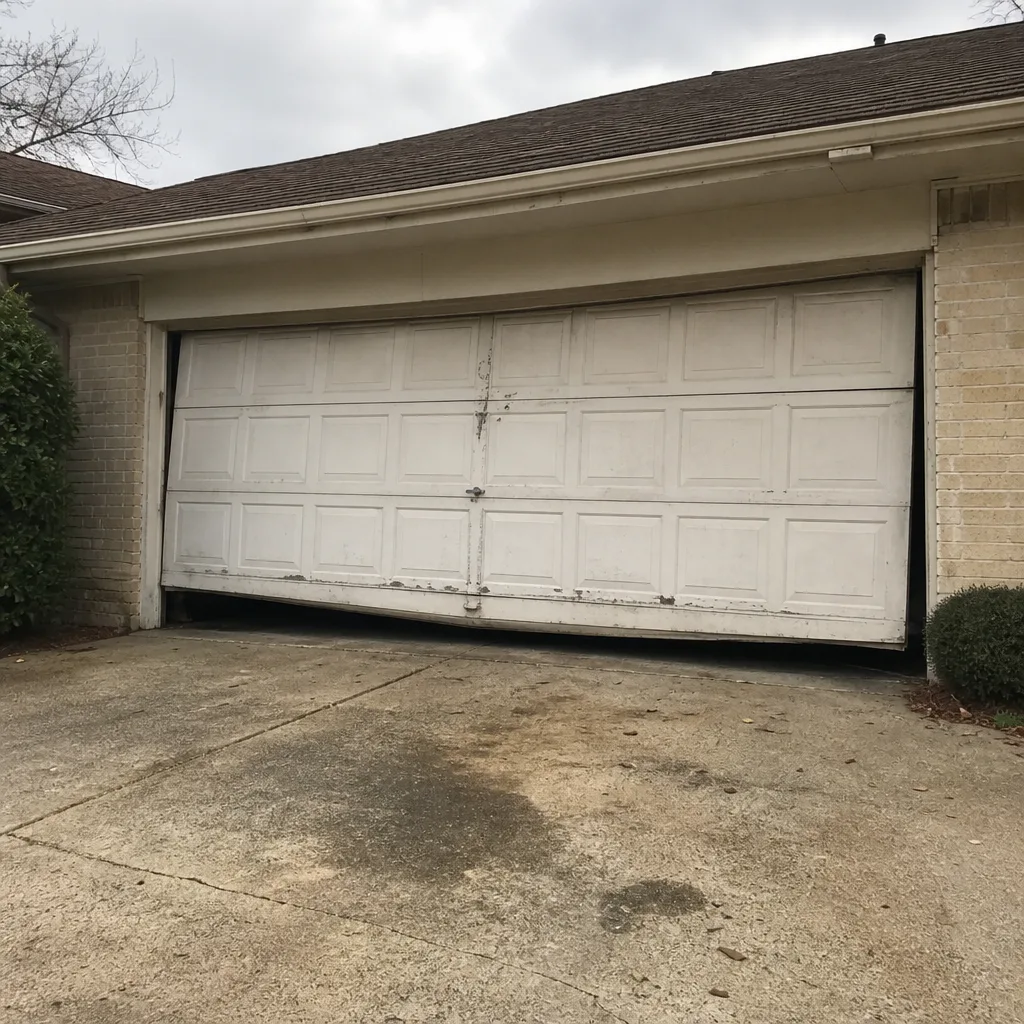 Before
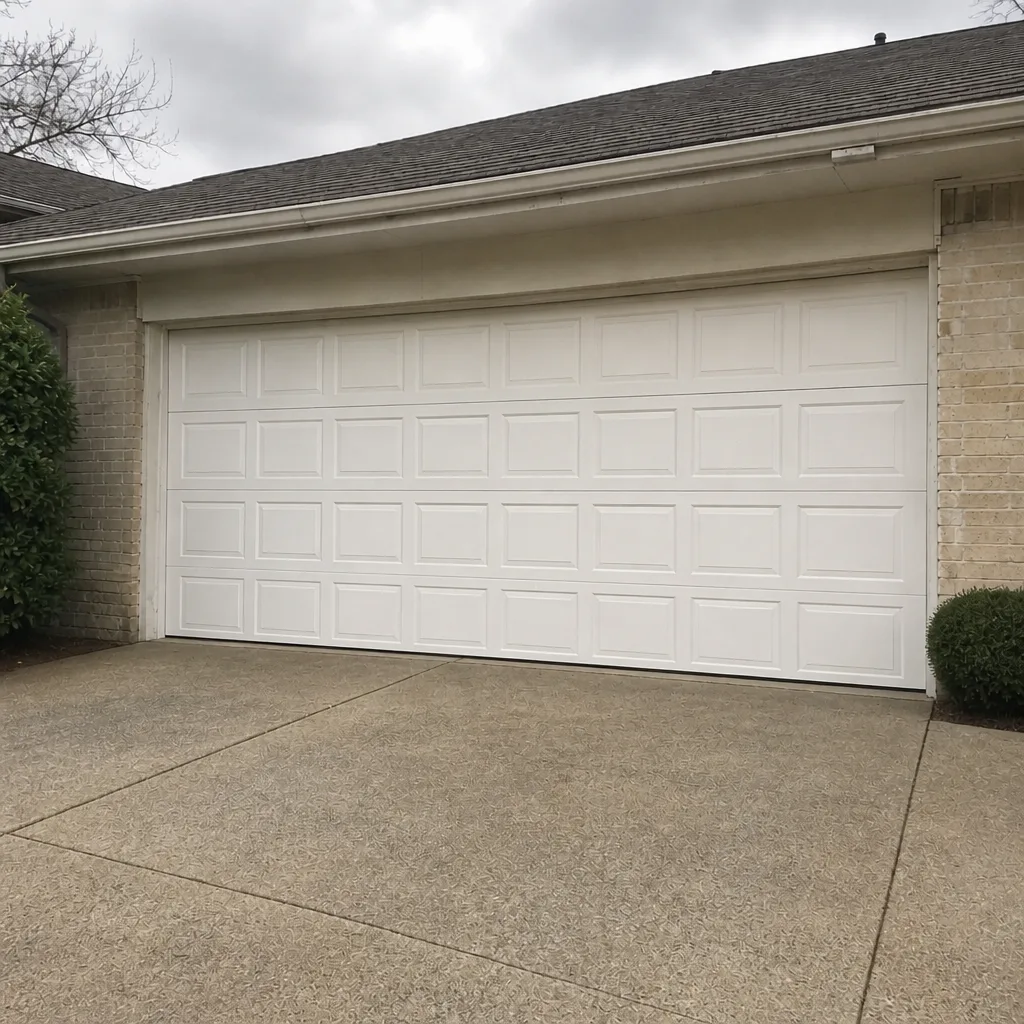 After
When to Call a Professional
Some signs are worth a phone call and some are worth a video of the noise. Call a professional if the spring has snapped, if the door drops fast, if a cable looks frayed, if the door is crooked enough to bind, or if the opener clicks but won’t move. Also call if any warning sign has been there for more than a few weeks; in a humid climate like Pasadena, small mechanical issues get worse faster. Our garage door spring repair service is the line to ask about, but we can diagnose any part of the system. We answer 24/7, and fast dispatch from 7am to 7pm, Sunday through Friday, gets a trained technician out to your door. Garage Door Repair Pasadena Pros offers free estimates in Pasadena. Call (855) 943-1327 to get on the schedule.
Frequently Asked Questions
A door that pauses briefly before it moves is usually the first sign of a torsion spring losing tension. The opener motor is compensating for a door it can no longer lift alone. If the pause is getting longer, schedule spring service before it snaps.
Disconnect the opener and lift the door by hand. If it feels heavy or sinks when released, the door is the problem and the opener is doing the work of a failing spring. If the door is smooth by hand but the opener still struggles, the opener is the issue. Our experienced technicians walk you through this on the phone if you’re unsure.
The chalky film on tracks around Pasadena garages is airborne moisture leaving minerals behind as it dries. Wipe down the tracks and lubricate the rollers to keep it from grinding into the hardware. If it keeps coming back, a technician can check whether a seal or frame gap is letting in more moisture than usual.
Grinding noise from the tracks usually means rollers are flat-spotted or binding, and it’s worth scheduling service soon but not an emergency stop. If the grinding is coming from above the door center, disconnect the opener and keep the door down until a technician looks at it; that’s spring territory.
Once a season, plus any time you notice a new noise or hesitation. Pasadena’s humidity speed up wear on rollers, seals and panel edges, so a visual walk-around in early summer and again in fall catches most problems early.
If the door holds its balance when released, it’s in the watch-and-maintain tier. If it drops fast, hangs crooked, or has a visible cable or spring problem, take it out of service and call a specialist. Springs and cables are under enough tension that a compromised door can fail while it’s working.
The Bottom Line
Garage doors rarely fail without warning. The trail is there: a pause before the door moves, a grinding roller, a chalky track, a hardened seal. Each one points to a different component. Learn what each part sounds like and looks like as it wears, and you’ll catch small problems in Pasadena before they turn into snapped springs and burned-out openers. Do the seasonal walk-around, run the balance test, and stop the door the moment the signs say it’s unsafe. The rest of the time a quick call is the cheapest insurance you have. Call (855) 943-1327 for a free estimate and let us look before the trail ends in an emergency.
Written by the team at Garage Door Repair Pasadena Pros.