
Last updated November 21, 2026
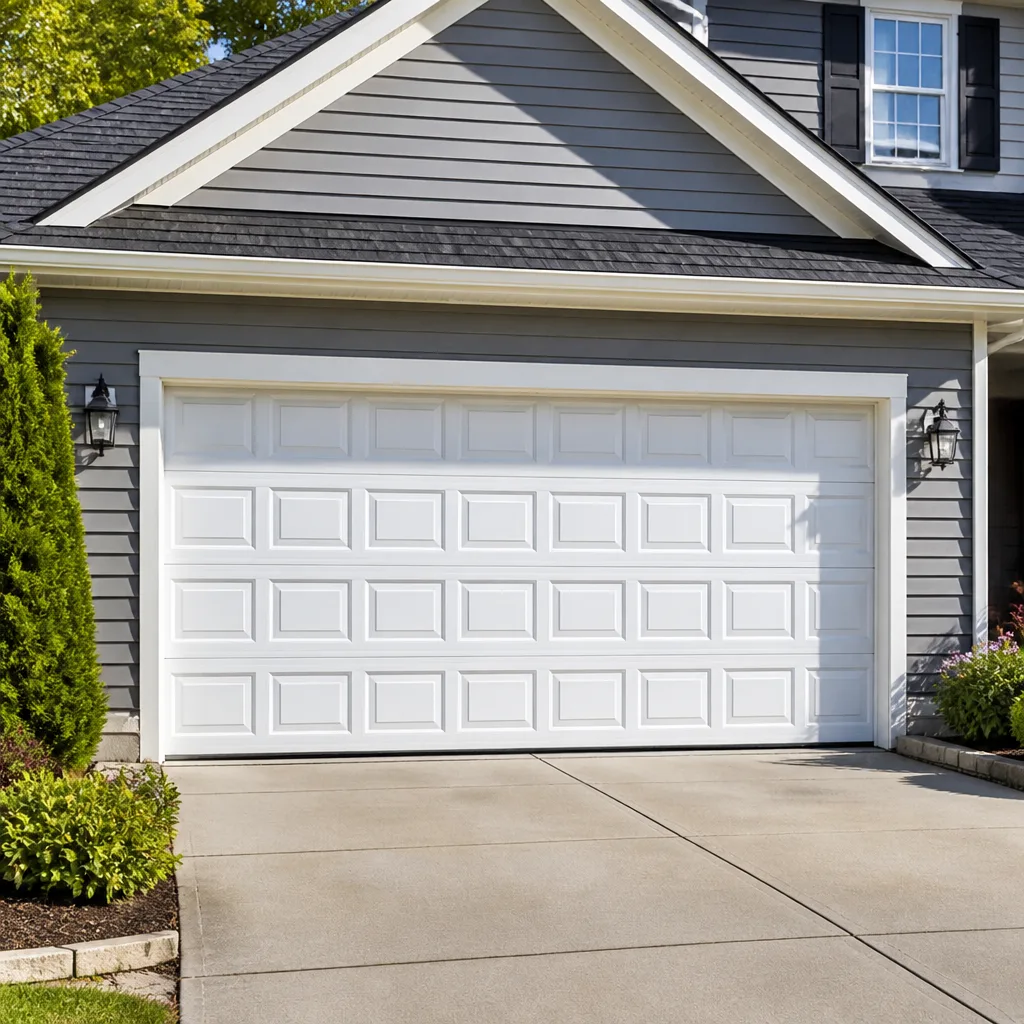 Raised-panel steel
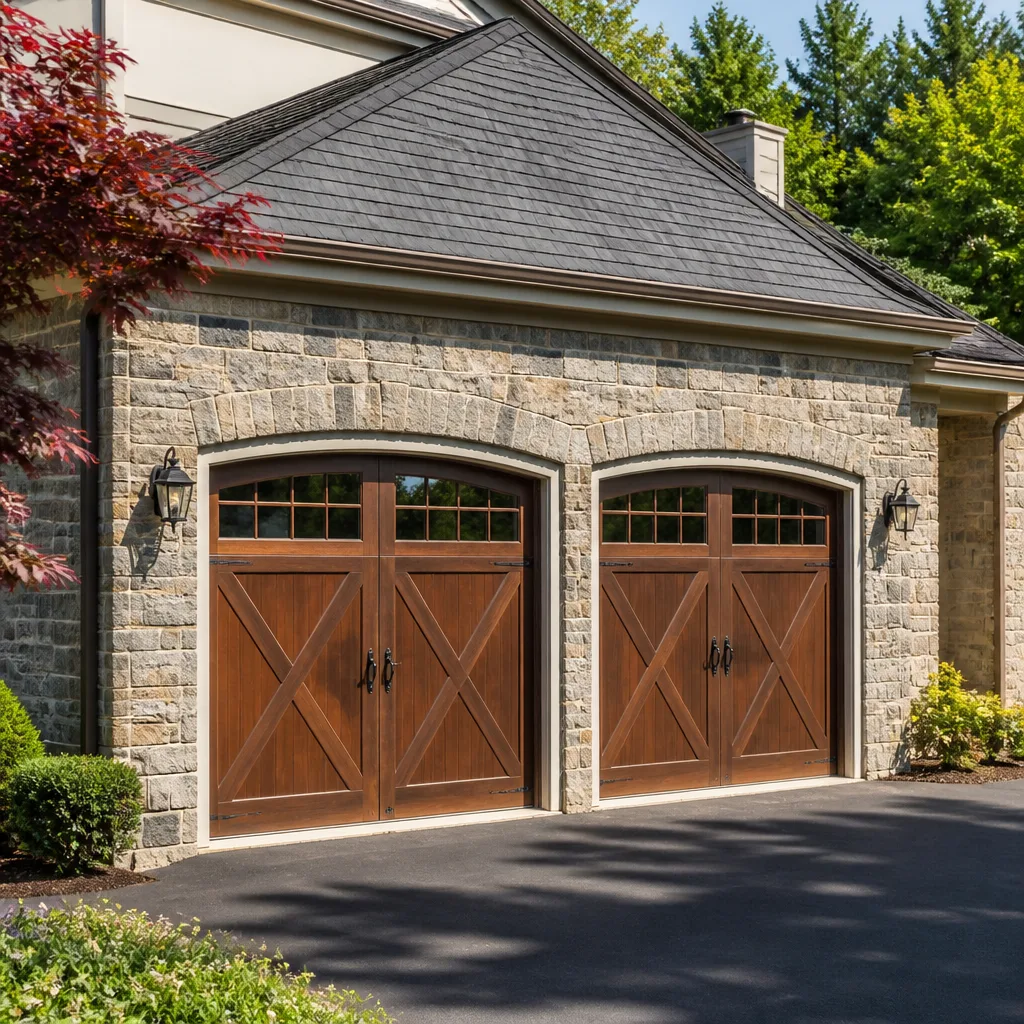 Carriage house
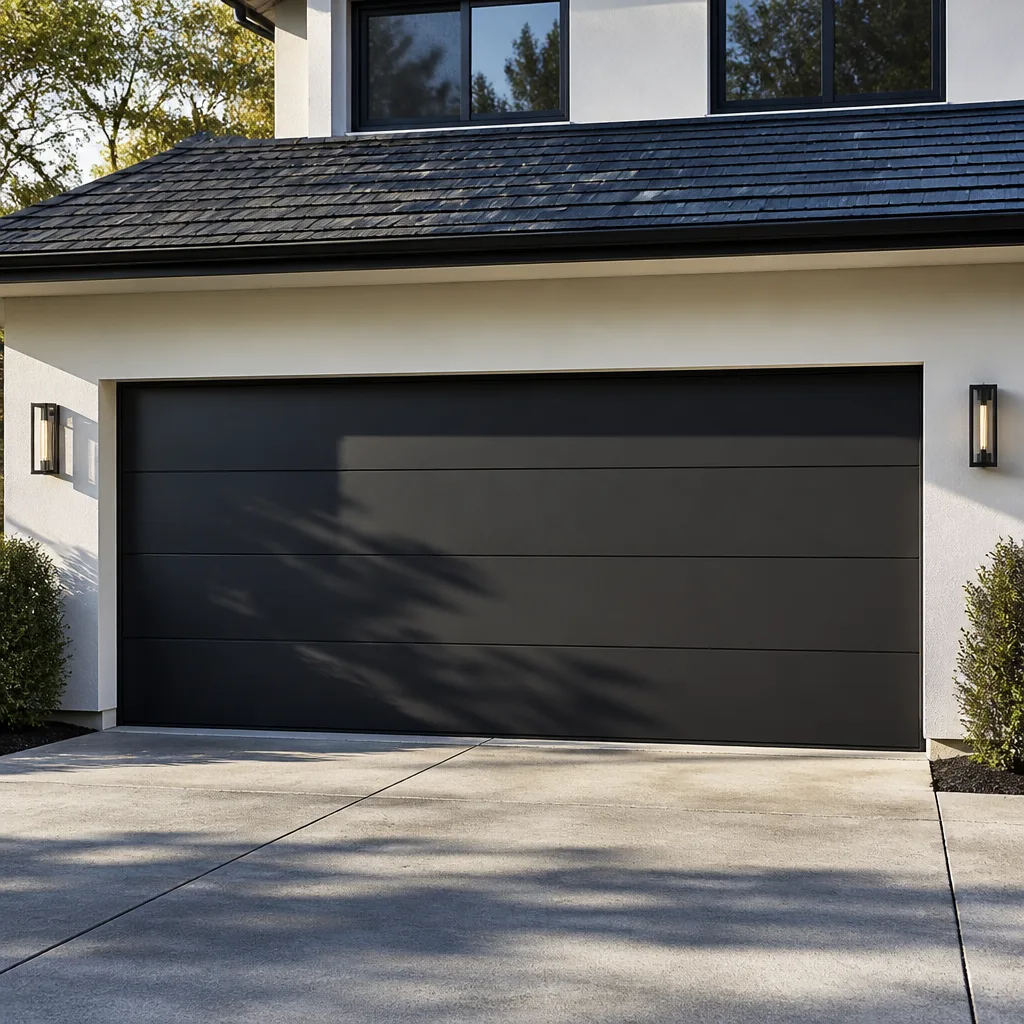 Modern flush
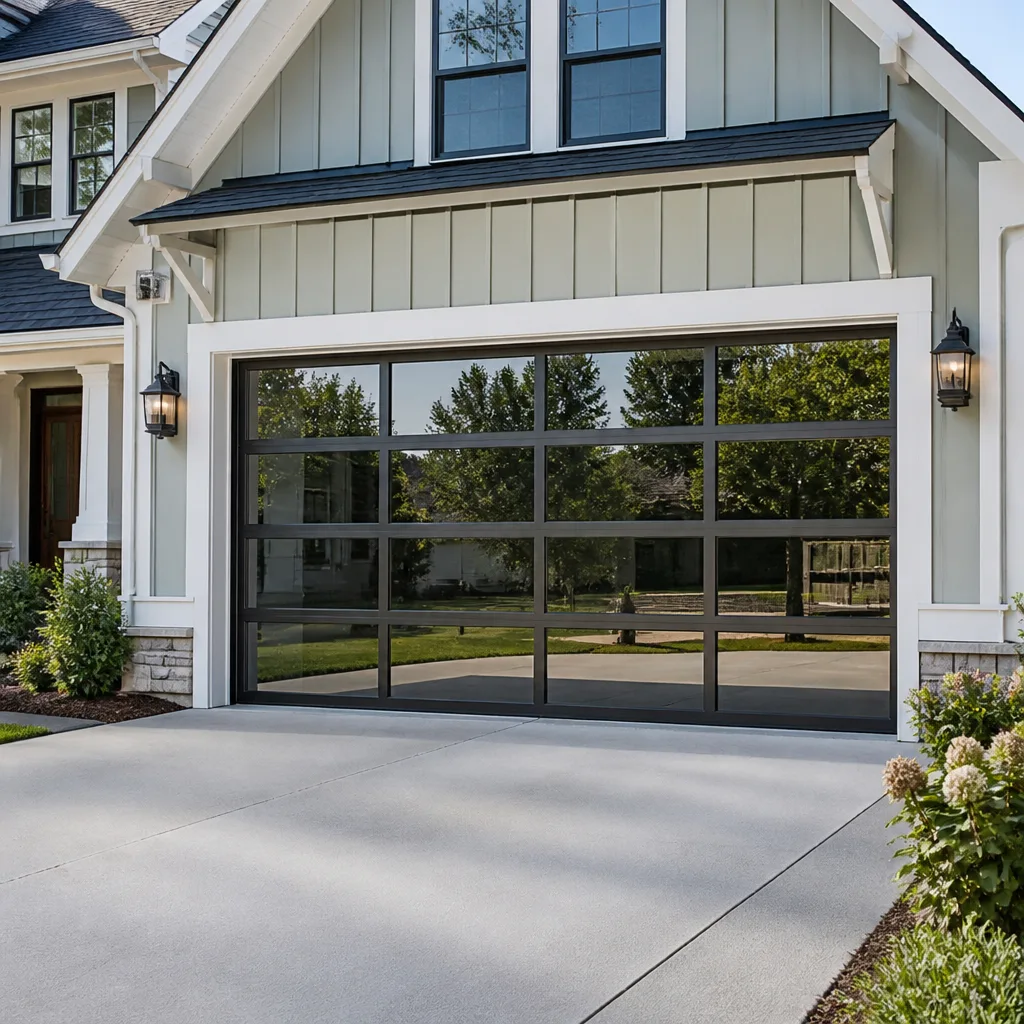 Full-view glass
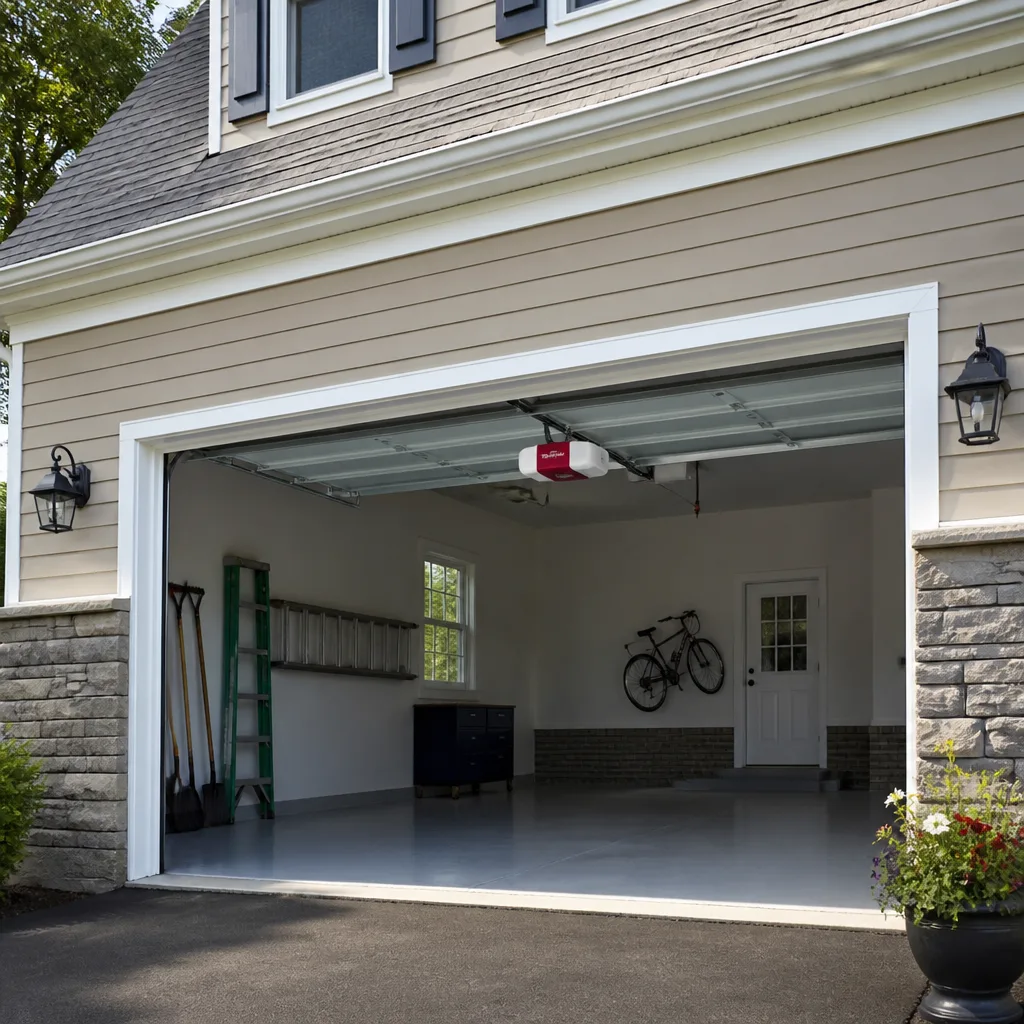 LiftMaster openers
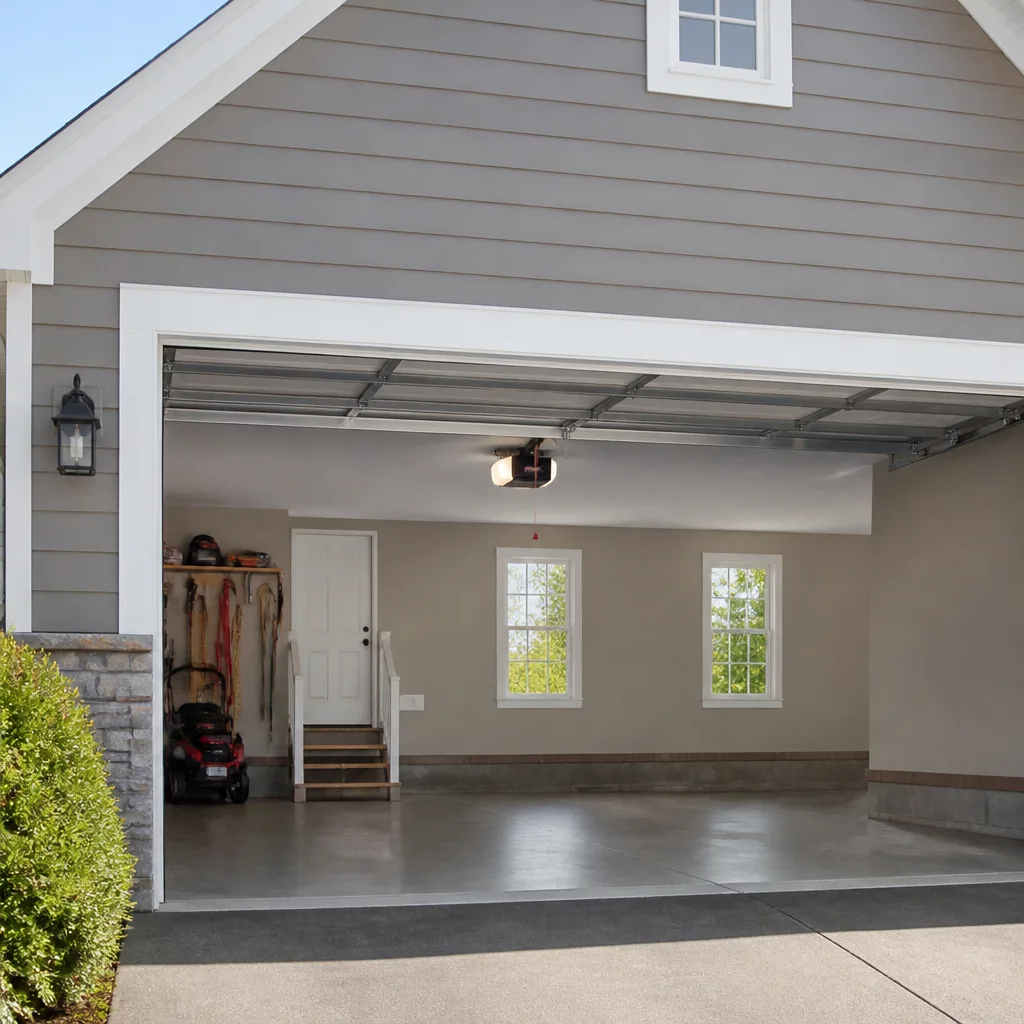 Chamberlain openers
Full 25-point door and opener safety check with every visit - springs, cables, rollers, tracks, and your LiftMaster or Chamberlain opener included
You get a price before we start. It does not change when the pro arrives.
Get your free estimateDIY vs Professional Garage Door: The Pasadena Homeowner’s Decision Guide
Most homeowners think the DIY-versus-pro question is about mechanical skill. It isn’t. A torsion spring can hold enough stored energy to break a hand or a jaw in a fraction of a second, and that single fact reshapes the entire decision. You aren’t really asking whether you’re handy enough to change a spring. You’re asking which garage door tasks carry injury risk that makes professional handling non-negotiable, and which ones genuinely don’t. This guide draws that line component by component, explains the hidden cost calculation most people miss, and shows you how to check whether a repair video was even written for your door. In Pasadena, where hurricane-zone construction and humid Gulf air shape how these systems age, that line matters more than it does in a dry-climate town.
Quick Answer
Springs, cables, and the torsion hardware above the door are non-negotiable for a trained professional. Lubrication, photo-eye sensor alignment, remote and keypad programming, and basic visual inspection are safe and genuinely doable yourself. Anything in between, including roller replacement, opener gear and logic board work, and panel and track repair, lands in a gray zone where the specific brand and model, and your comfort working above head height, decide it. The dividing line isn’t skill. It’s stored energy and the consequences of a mistake.
Styles & brands we work with
- Raised-panel steel
- Carriage house
- Modern flush
- Full-view glass
- LiftMaster openers
- Chamberlain openers
Table of Contents
- Why the Line Is Drawn at Stored Energy
- What’s Safe to DIY (and How to Do It Right)
- What Requires a Professional, and Why
- Liability and Insurance on a Pasadena Garage Door
- The Hidden Cost of a DIY Repair Gone Wrong
- How to Verify a Repair Guide Matches Your Door
- Brand and Model Differences That Change the Answer
- Frequently Asked Questions
Why the Line Is Drawn at Stored Energy
A torsion spring is a coiled steel bar under constant tension. When it’s wound, it’s holding the full weight of the door in check. That’s the whole design: the spring counterbalances the door so a person can lift it. The flip side is that the spring is storing exactly that much force, waiting to release it. When the steel fatigues and snaps, it releases sideways and fast, and there is no warning and no chance to move. Extension springs are the same story with a different geometry. They stretch rather than twist, and they’re normally the spring type on older doors in Pasadena’s mid-century neighborhoods.
This is why the DIY decision splits so cleanly around the springs. Everything else on a garage door is a conversation about time, tools, and whether you enjoy the work. Springs aren’t. They’re a conversation about physics.
What “Stored Energy” Actually Means in Practice
- Torsion springs twist on a shaft mounted above the door’s center. They store energy in torsion, and a sudden failure can release that energy in a fraction of a second.
- Extension springs stretch along the top tracks and store energy in tension. Older doors often use them, and the failure mode is a snap rather than a twist.
- Cables carry the spring’s force to the bottom corners of the door. A cable under load can whip when it fails, and the consequences are why professionals never reach into a loaded cable.
- The torsion shaft, drums, and bearing plates are all part of the same loaded system. Once you’re touching any of it, you’re touching all of it.
If you take nothing else from this guide, take this: no DIY guide, video, or shortcut you find online can make a loaded spring safe to handle by hand. The people who work on these components use a specific set of winding bars, and even with the right tools a mistake is a serious injury. That’s the entire reason professional work exists for this component.
What’s Safe to DIY (and How to Do It Right)
Garage door maintenance is a real category of work, and a homeowner who understands it saves money and keeps the door running longer. The trick is staying on the maintenance side of the line rather than wandering into the repair side. Here’s what’s genuinely safe, with the steps that actually matter.
Lubrication (Do This Every Few Months)
- Close the door completely so the tracks and rollers are in their resting position.
- Use a lubricant made for garage doors, not general household oil or WD-40. A lubricant that attracts grit will gum up the rollers.
- Wipe each track down first with a dry rag to remove dust and grit.
- Apply a light coat to the rollers, hinges, and the bearing plates at each end of the torsion shaft.
- Run the door up and down a few times, then wipe away excess so it doesn’t collect on the floor.
In Pasadena’s humid summer air, lubrication matters more than it does in a dry climate. Humid air carries moisture into every hinge and roller, and a door that sits unlubricated through the summer is a door whose moving parts start to bind. That binding eventually transfers load to the opener, which is where the more expensive repairs come from.
Photo-Eye Sensor Alignment
- Look at the two small lenses near the floor on either side of the door. Each should have a steady indicator light, not a flickering one.
- If one is blinking, gently adjust its bracket until both lights are steady and pointing at each other.
- Wipe the lens with a dry cloth. Dust and spider webs cause more sensor faults than anything else.
- Test by closing the door and waving an object in the beam. The door should reverse on contact.
A misaligned sensor is the single most common reason a door “won’t close,” and it’s a two-minute fix. Genie and Chamberlain opener heads are particularly easy to diagnose here because the indicator light behavior tells you directly which sensor is the problem.
Remote and Keypad Programming
Programming a remote or a wireless keypad is a legitimate DIY task, but the procedure is brand-specific. LiftMaster and Chamberlain openers usually pair through the learn button on the motor head. Genie and Craftsman follow slightly different sequences. The manual for your exact opener will give you the right one, and following it exactly takes about five minutes. The mistake people make is trying to force a pairing sequence from a generic video, then concluding the opener is broken when the remote simply never learned the code.
Basic Visual Inspection
- Look for frayed or worn cables, and stop at “look.” Don’t touch them.
- Check that the door hangs evenly and the bottom seal is intact.
- Look at the hinges for cracks. Cracked hinges are a sign the door needs professional attention.
- Note any grinding, scraping, or popping sound and where it happens on the door’s travel.
A visual inspection is the homeowner’s job. Replacing what you notice during it is often the professional’s.
What Requires a Professional, and Why
This section is a hard line. These are the tasks where the consequence of a mistake is not “call someone to fix it” but “go to the emergency room.” We’ve spent years on these systems, and the reason technicians treat springs with the same caution every single time is that the danger never actually goes away, no matter how many times you’ve done it.
Non-Negotiable Professional Work
- Spring replacement, both torsion and extension. Loaded components with stored energy and real injury risk. This is garage door spring repair, and it’s the one task no DIY guide can make safe.
- Cable replacement and adjustment. Cables carry the spring load. Even a “loose” cable is under enough tension to cause injury if it releases.
- Torsion shaft, drum, and bearing plate work. All part of the loaded assembly. Same reasoning.
- Track replacement and realignment after impact. Tracks are structural. A bent track can cause the door to jump, and a door that jumps can come down on someone.
- Panel replacement. Panels are heavy and load-bearing to the door’s balance. A replacement panel that doesn’t match the door’s weight changes how the springs behave.
- Opener motor, gear, and logic board replacement. This is the work of a garage door opener repair specialist. The parts are brand-specific, and swapping in a wrong part can damage the door’s balance or the opener’s drive system.
Gray Zone: Use Judgment
Roller replacement, hinge replacement, and weather seal replacement are often DIY-able, but the door has to be in the fully open position with the spring load suspended, and you have to be comfortable working with the door overhead. If the door won’t stay up, that points to a spring problem and moves you back into professional territory. If you aren’t sure, that uncertainty is your answer.
For a fuller picture of what a proper repair involves, our garage door repair service explains each step, and Garage Door Repair Pasadena Pros is where the full scope of work lives. Free estimates mean the gray zone can be resolved by a professional’s read of the door rather than by your best guess.
Liability and Insurance on a Pasadena Garage Door
Here’s a part of the decision almost no guide covers, and it matters specifically in Pasadena. The city sits in a wind zone, and homes here are built to withstand serious storms. A garage door is a large opening in the wind-resistant envelope of the house, and structural or panel work done to it can interact with that envelope. If a self-performed repair later fails in a storm, whether a homeowner’s insurance covers the resulting damage can be genuinely complicated. Carriers may question whether a repair met the standard, and the answer often depends on workmanship nobody documented.
We’re not going to pretend to know the outcome of every claim. What we will say is that the sensible move is to check with your insurer before you do structural work yourself, and to keep a written record of any repair. A licensed professional documents the work, which matters if a claim ever comes into question.
When Insurance Is Most Likely to Be Involved
- Panel or structural repair after a storm or impact.
- Any repair that interacts with the door’s wind resistance or the opening seal.
- Work on a door that’s already been flagged by an adjuster.
- Any repair where a subsequent failure might be attributed to the workmanship.
Our guidance is the same in every Pasadena home we visit: keep your receipts, keep your written estimate, and don’t treat a structural repair as a purely mechanical decision. Permits vary, so ask your city’s building department directly if you’re unsure whether a repair needs one. We can work with your insurer on the documentation side, and the local professional we connect you with is licensed and insured as their state requires.
The Hidden Cost of a DIY Repair Gone Wrong
The DIY math usually stops at the cost of parts versus the cost of a service call. That’s the wrong comparison. The real calculation is the cost of parts plus the cost of a failed DIY attempt plus the cost of the professional repair that fixes both the original problem and the damage the attempt caused. Those three add up fast.
Where the Hidden Cost Comes From
- Voided component warranty. Many openers and door components carry warranties that depend on proper installation. A DIY repair that damages the component can end the warranty on it, which turns a small problem into a full replacement.
- Secondary failure. A door with a binding roller is a door whose opener motor is working harder than it should. DIY fixing the wrong part leaves the real load on the opener, and the opener fails next.
- Balance problems. A door that closes by hand but not under power, or vice versa, is usually a balance issue. Homeowners who replace a spring themselves without matching the correct tension end up with a door the opener can’t manage and a spring that wears out in months.
- Wrong part fit. Clopay and Amarr doors use specific panel profiles and spring options. A replacement part that’s “close” can change how the door tracks, and a door that tracks wrong wears its rollers and hinges prematurely.
- Injury cost. We list this last because it’s the one nobody wants to think about, and it’s the one that dwarfs the others.
A useful rule: if a DIY attempt is likely to create a second problem, it’s not a DIY job. That rules out springs and cables entirely, and it puts opener work and structural repairs in professional territory for most homeowners.
How to Verify a Repair Guide Matches Your Door
Online garage door content is mostly written about a generic door. The problem is that doors aren’t generic. A spring for one model isn’t the right spring for another. A panel kit for one door won’t fit a door from a different manufacturer. The single most valuable DIY skill in this niche is figuring out whether a guide was written for your specific system or just some door that shares nothing with yours but the word “garage.”
Steps to Verify a Guide or Video Before You Trust It
- Find your door’s make and model. Look on the inside of the door’s end stile, on the frame, or on the original paperwork. Manufacturers like Clopay, Amarr, Wayne Dalton, and Raynor all label their doors.
- Find your opener’s brand and model. The motor head has a label. Genie, LiftMaster, Chamberlain, and Craftsman all stamp their model number there.
- Check the guide names your specific model. If it says “fits most garage doors” or “works with any opener,” it isn’t a guide, it’s an advertisement.
- Check the tension specification. If the guide doesn’t mention door weight and spring tension, it isn’t a spring guide.
- Check the episode or publication date. Modern openers with smart features or DC motors have changed how these systems behave. A guide older than your opener may describe different hardware.
- Compare the visual. If the parts in the video don’t look like yours, stop.
This is the same discipline a technician runs through on every call. Brand-specific diagnostics are why the parts come out right on the first visit and why a door gets fixed once rather than repeatedly.
Brand and Model Differences That Change the Answer
Every brand has its own quirks, and those quirks often decide whether a job is DIY-able or not. A few observations from what we see most often in Pasadena homes:
- Wayne Dalton doors are recognizable by their distinctive panel and track designs, and some of their models use proprietary panel components. That makes getting the right replacement part the deciding factor rather than the skill of the install.
- Clopay doors are common on newer construction in Pasadena, and their panel profiles are specific. Replacing a panel with a near-match changes how the door hangs.
- Amarr doors use specific spring options and panel weights. A door that gets the wrong spring runs out of balance almost immediately, which is why spring work depends so heavily on knowing the exact model.
- Genie openers have a pairing sequence that differs meaningfully from LiftMaster and Chamberlain, and the logic boards aren’t interchangeable. A remote programming guide written for one brand often just doesn’t work on another.
None of this is a knock on any brand. It’s the reason a generalist handyman guesses, and the reason a technician who knows these systems walks in already familiar with the door. If you’re not sure of your model, call us and we can help you identify it. We work across the major brands, so the diagnostic conversation is short. Our technicians have up to 9 years of experience with the systems in Pasadena homes.
Common Mistakes to Avoid
- Reaching into a loaded spring or cable to “just see” what’s wrong. There’s no safe way to check a spring’s condition by hand. If you suspect a spring problem, stop and call.
- Using general household oil on the tracks. It attracts grit, which turns into a grinding noise and premature roller wear. Use a garage-door-specific lubricant and wipe the tracks first.
- Replacing one spring when the original was a matched pair. Pairs wear at the same rate. Replacing one leaves the door out of balance within weeks. This is why a spring quote names the pair, not a single spring.
- Adjusting the torsion springs yourself to “tighten the door.” There is no adjustment that makes this safe, and the risk is immediate. Winding bars and training exist because the risk is real.
- Forcing a stuck door up or down. A stuck door has a reason. Forcing it turns a cable or track problem into a bent door and a much larger repair.
- Skipping the visual once-over after a storm. Pasadena gets real weather in storm season. A quick look at tracks, cables, and the bottom seal after a big windstorm catches problems early.
- Trusting a generic video for a brand-specific procedure. Programming, troubleshooting, and replacement parts are all model-specific. Check the video against your own model number before you start.
See the difference
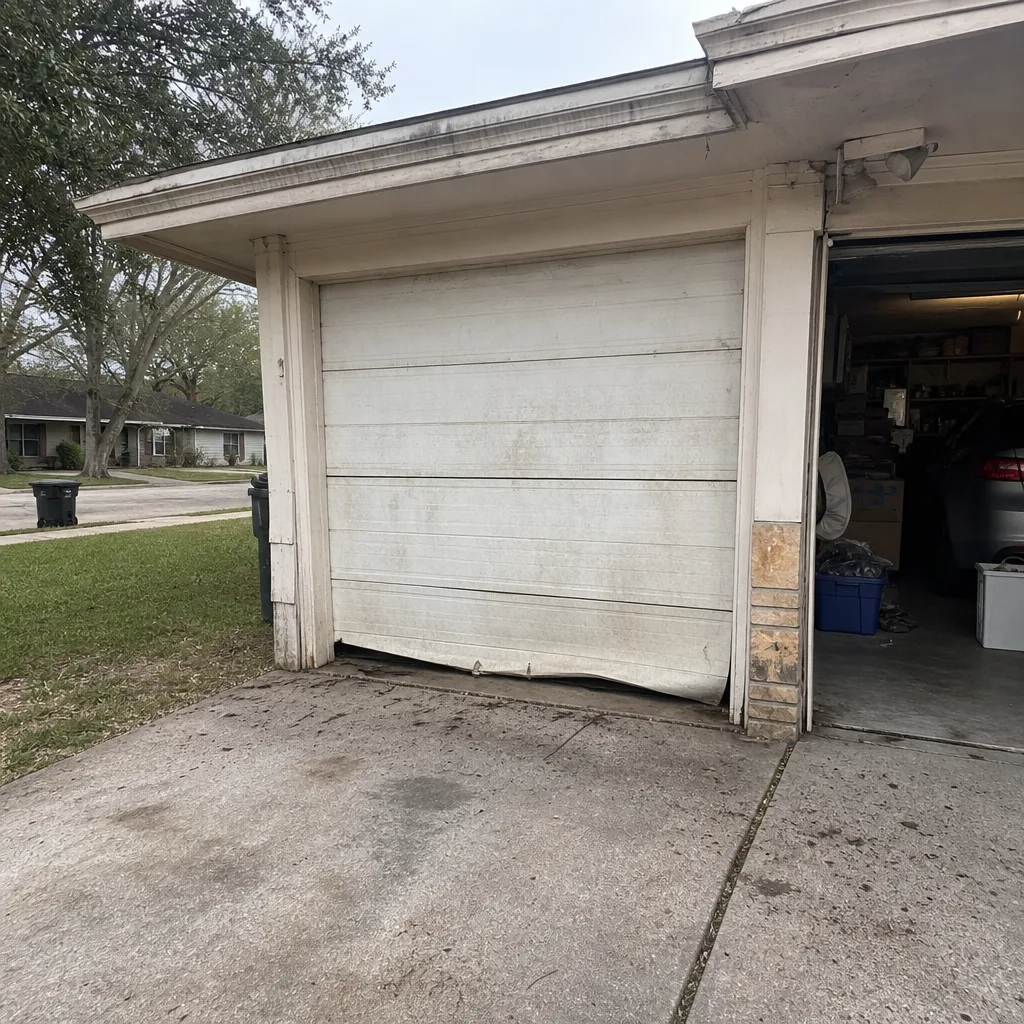 Before
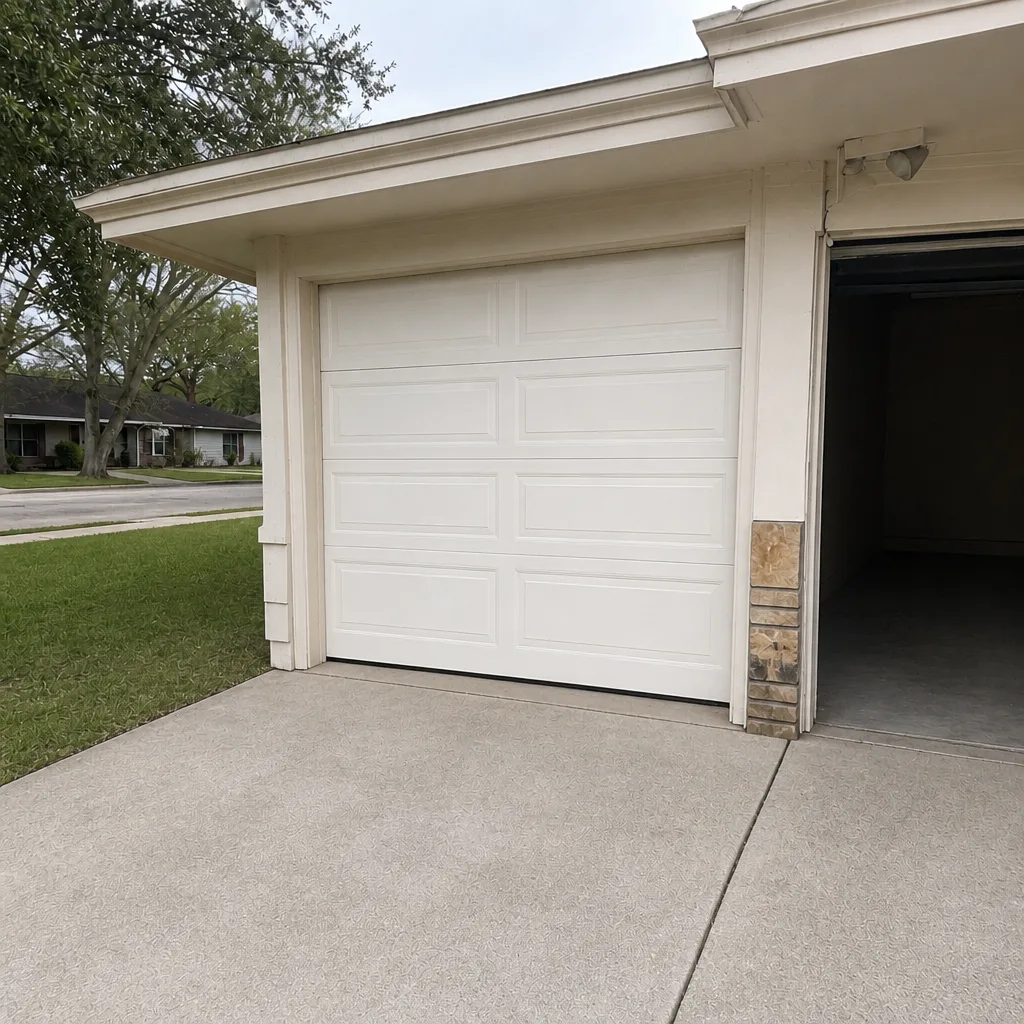 After
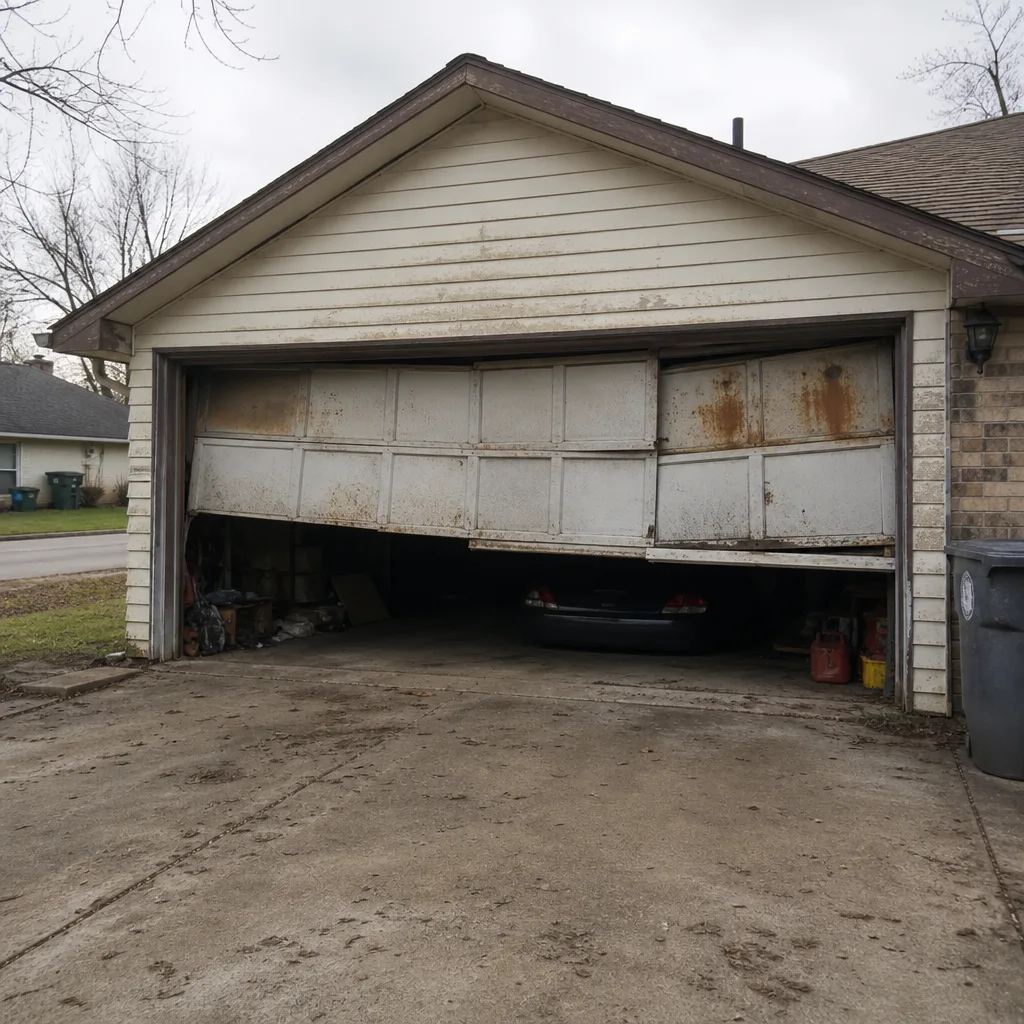 Before
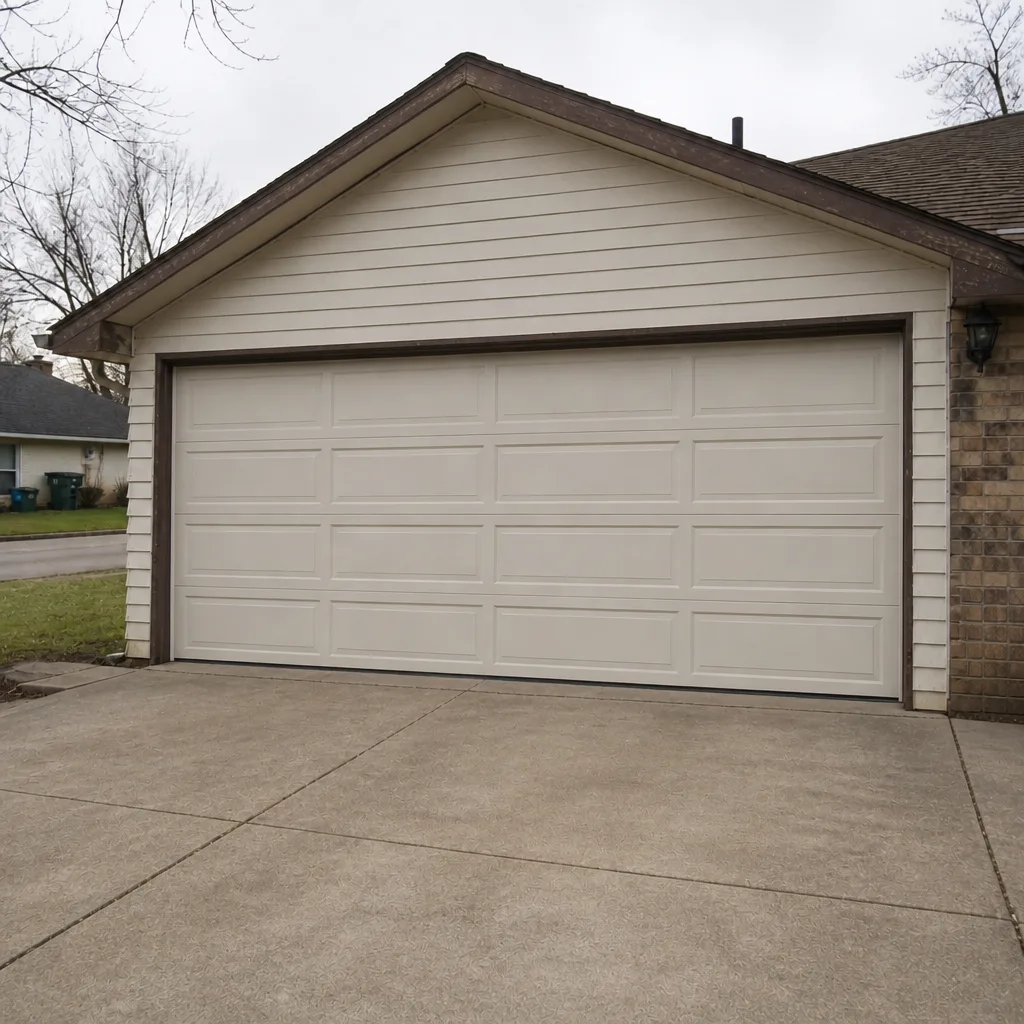 After
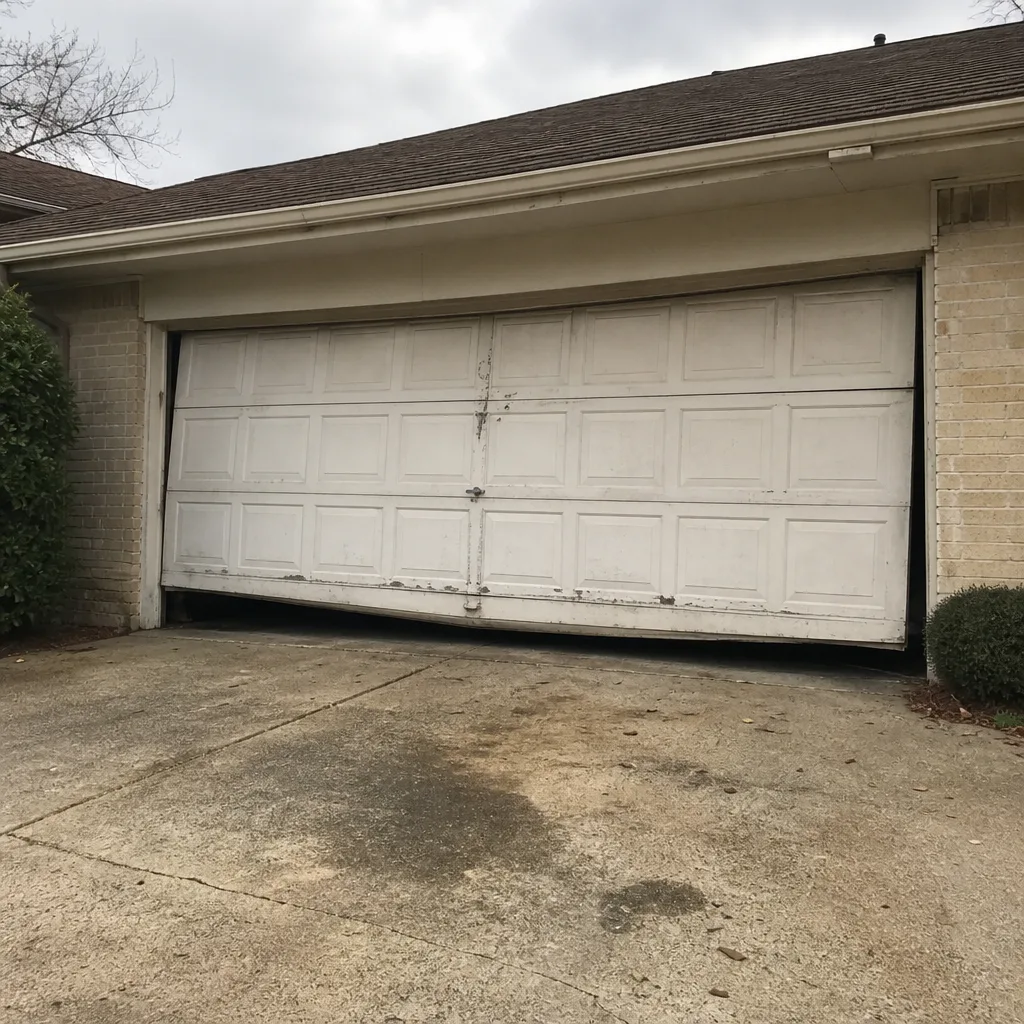 Before
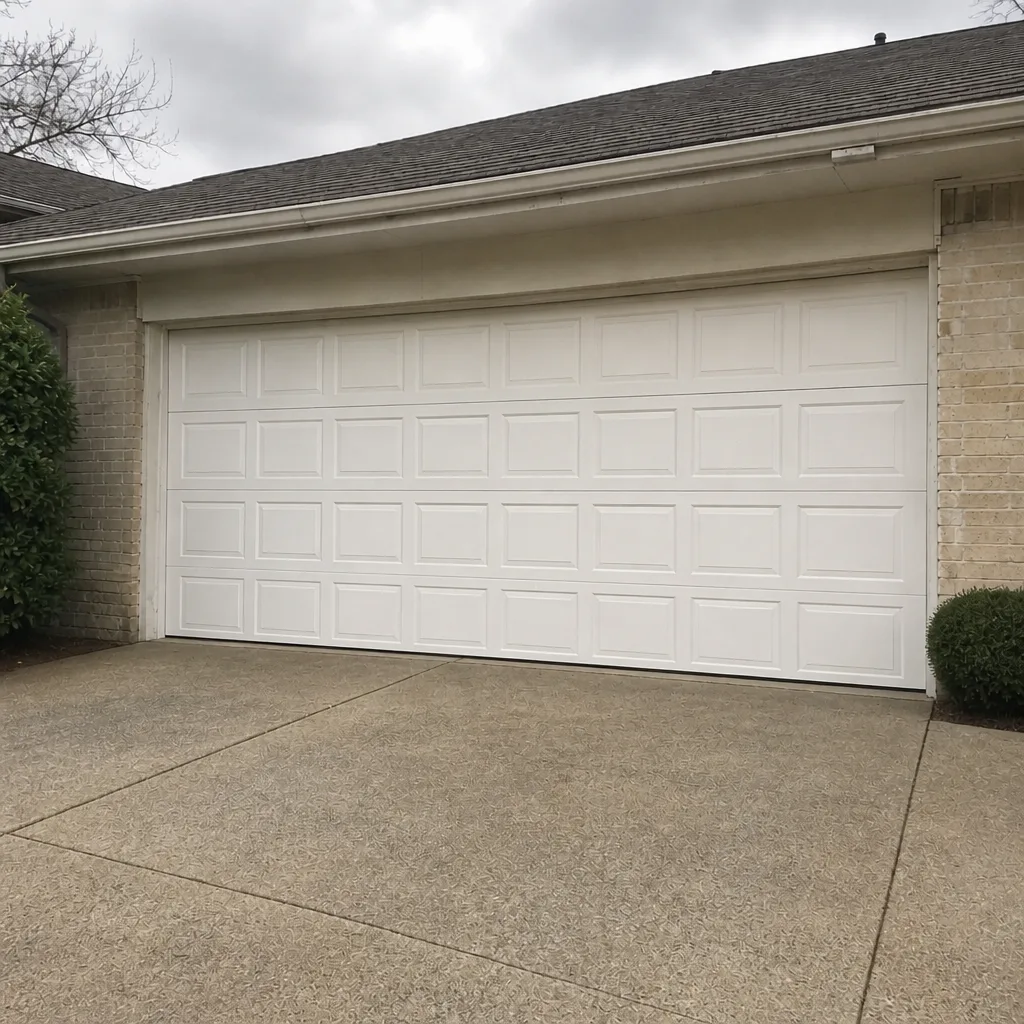 After
When to Call a Professional
Call a professional for anything involving a spring, cable, the torsion hardware, a door that won’t close fully, or an opener that’s making a sound it didn’t make before. Call when the door won’t stay up, when a panel or track is bent after impact, or when you’ve decided a repair is more involved than a maintenance task. If your door has failed and it’s creating an immediate security or safety concern, that’s a genuine emergency, and we handle emergency garage door service for exactly that situation. Damage doesn’t schedule itself. Garage Door Repair Pasadena Pros offers free estimates in Pasadena. Call (855) 943-1327. We answer 24/7. Fast dispatch from 7am to 7pm, Sunday through Friday.
Frequently Asked Questions
No, not safely. Torsion springs store the full weight of the door in a coiled steel bar, and a mistake with a winding bar can release that energy into your hand or face in a fraction of a second. The task requires specific tools and training, and there’s no DIY method that removes the stored energy risk. Call (855) 943-1327 for a free estimate on spring repair.
A single spring repair typically runs in the range of a few hundred dollars, and a matched pair is usually replaced together at roughly double that, since pairs wear out at the same rate. The written estimate you receive before any work starts sets the final price, so there’s no surprise when the job is done. Call (855) 943-1327 for a free estimate on your specific door.
Often yes. Same-day repair is exactly the kind of work we handle, and for a door that’s stuck open or stuck closed, the urgency is real. Call (855) 943-1327. We answer 24/7. Fast dispatch from 7am to 7pm, Sunday through Friday; a call outside those hours is booked into the next opening.
No. The quote is set before any work begins, and the written estimate is the price. What can change is the diagnosis if, for example, a door you described as a spring problem turns out to be a cable problem. In that case the technician will explain the difference and give you a new written estimate before touching anything. That’s a conversation, not a surprise bill. Call (855) 943-1327 to get a firm quote from the start.
Yes. The local pro we connect you with is licensed and insured as their state requires. If you’re planning structural work on a Pasadena garage door and want to check with your insurer first, the licensing and insurance documentation will be in place for that conversation. Call (855) 943-1327 for a free estimate.
Usually yes. A blinking indicator light on one sensor almost always means misalignment, dust, or a spider web on the lens. Gently adjust the bracket, wipe the lens, and test by waving an object through the beam. If the sensor still won’t steady up after that, the issue is more likely wiring or the opener’s logic board, which is a professional call. Reach us at (855) 943-1327 if it comes to that.
The Bottom Line
The DIY-versus-professional decision on a garage door comes down to one question: does this task involve stored energy or structural load? Springs, cables, torsion hardware, and panel and track work fall on the professional side, and no guide can make them safe. Lubrication, sensor alignment, remote and keypad programming, and basic visual inspection are genuinely DIY-friendly and worth doing yourself. Everything else is a judgment call that a free estimate settles quickly. In Pasadena, where wind-zone construction makes structural repairs a slightly bigger decision than they are elsewhere, that judgment call is worth having a professional weigh in on. The price is quoted and agreed before work starts, so there’s no risk in getting an answer.
Get a Free Estimate on Your Pasadena Garage Door
Whether you’ve hit a job that’s clearly professional territory or you’re not sure where the line falls, call Garage Door Repair Pasadena Pros at (855) 943-1327 for a free estimate. We answer 24/7, and fast dispatch from 7am to 7pm, Sunday through Friday, gets a technician to your door when the situation can’t wait. Our technicians have up to 9 years of experience across the systems in Pasadena homes, and the estimate is free. The price is set per job by the written estimate, so you know the number before anyone picks up a tool.
Written by the team at Garage Door Repair Pasadena Pros.