
Last updated November 21, 2026
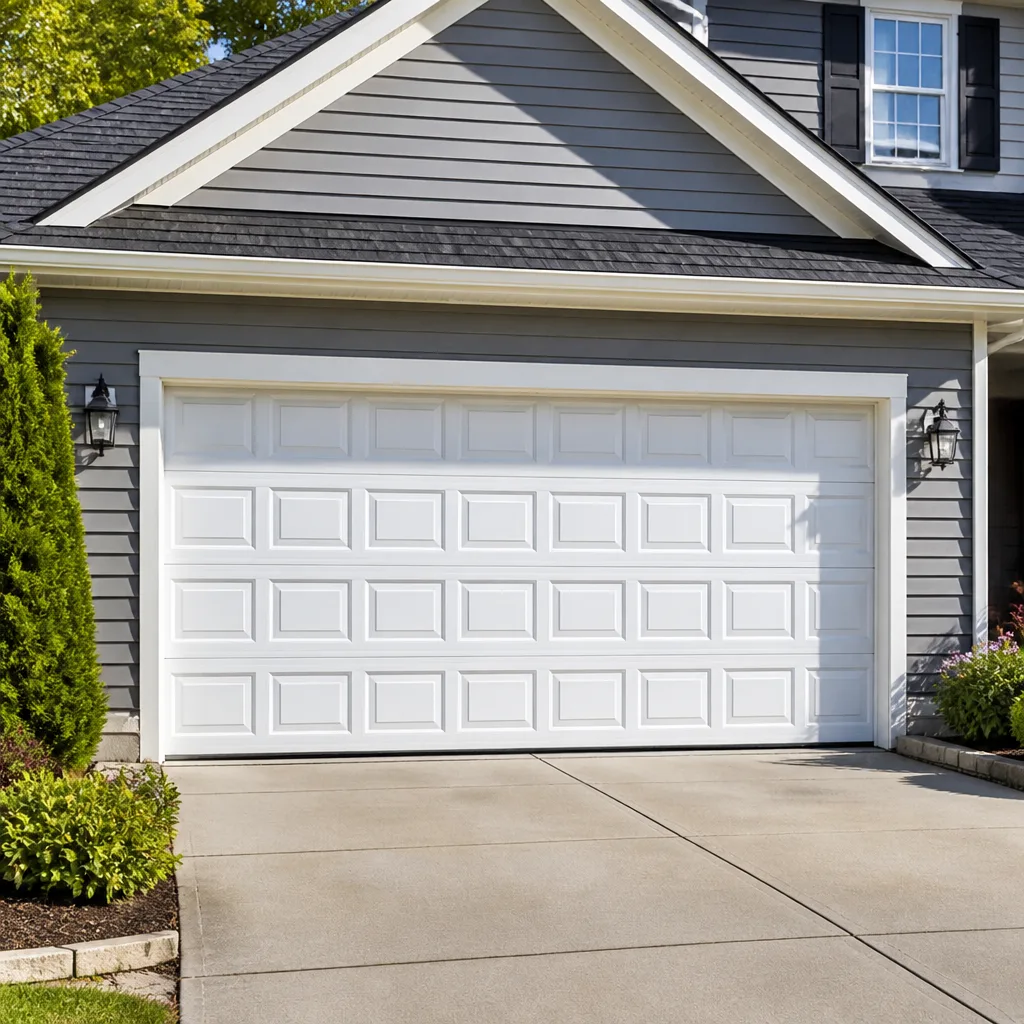 Raised-panel steel
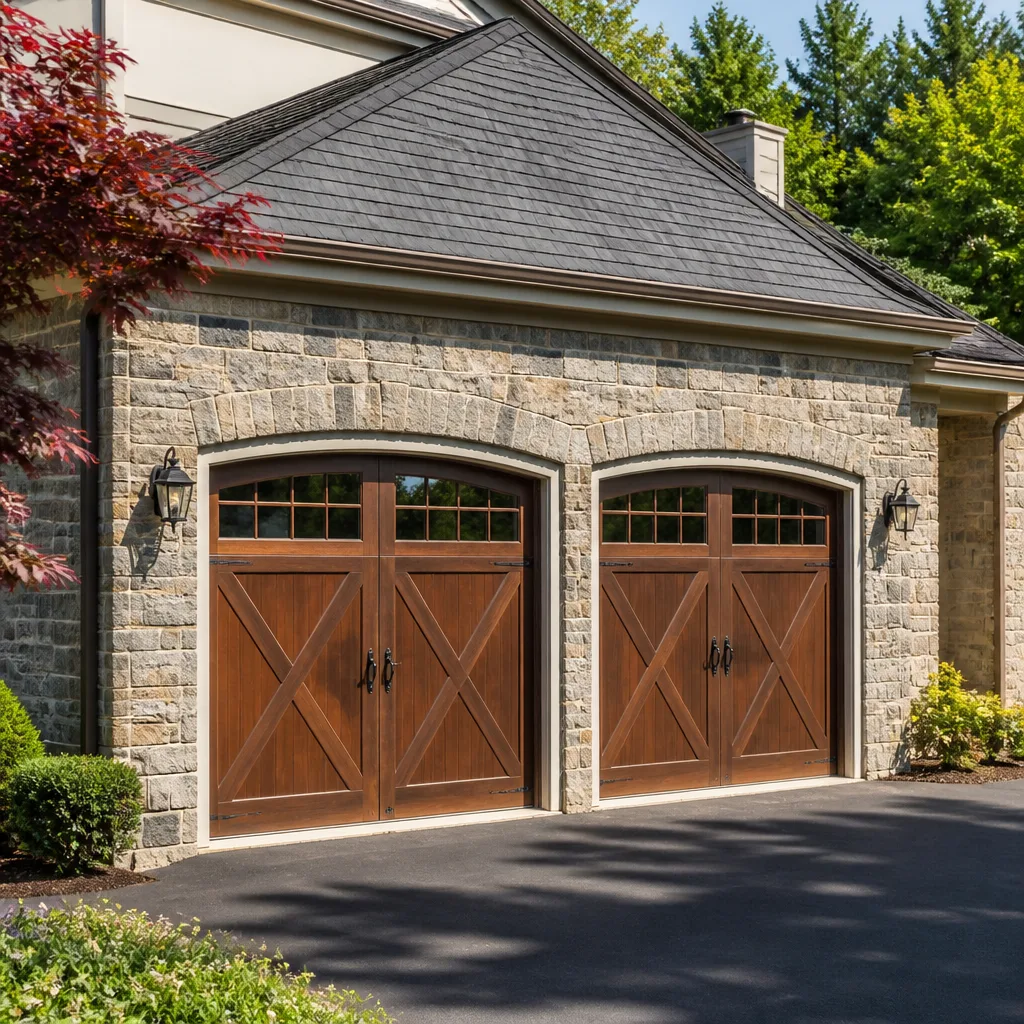 Carriage house
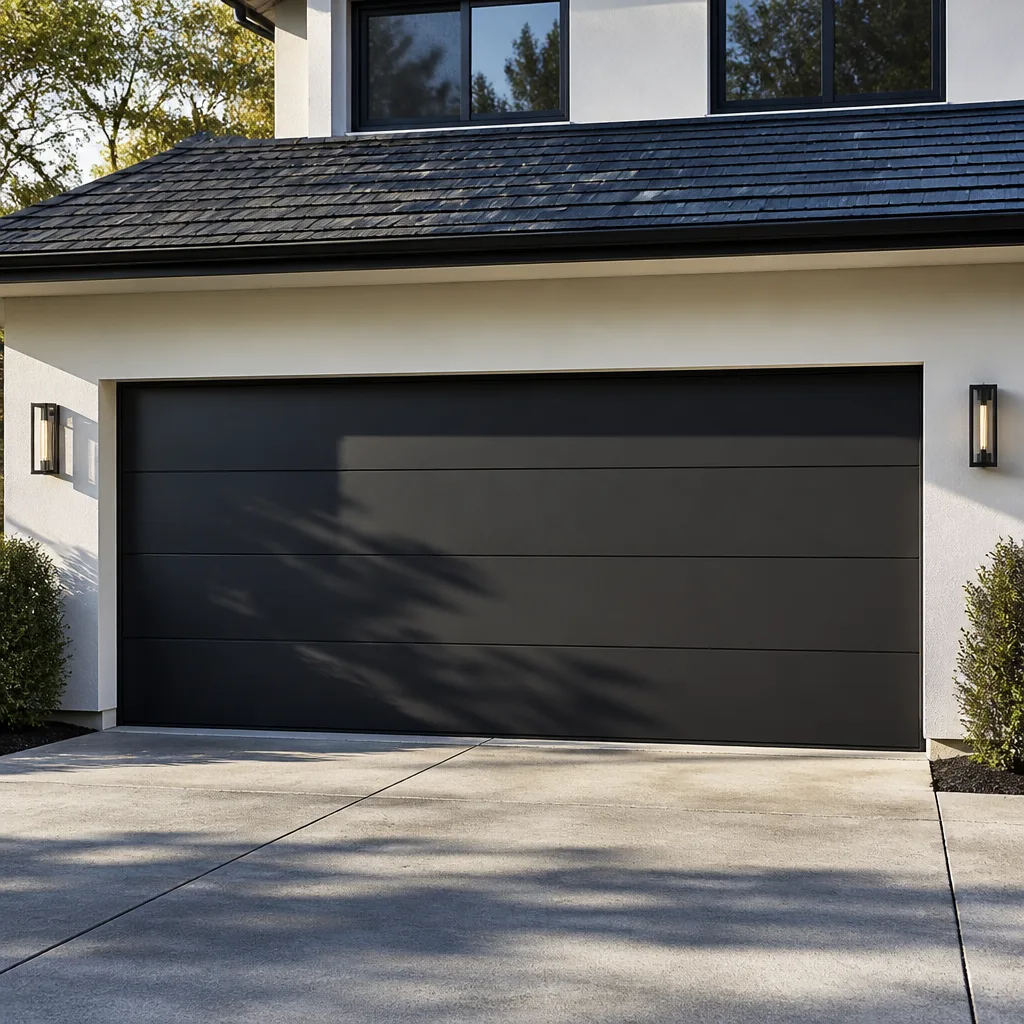 Modern flush
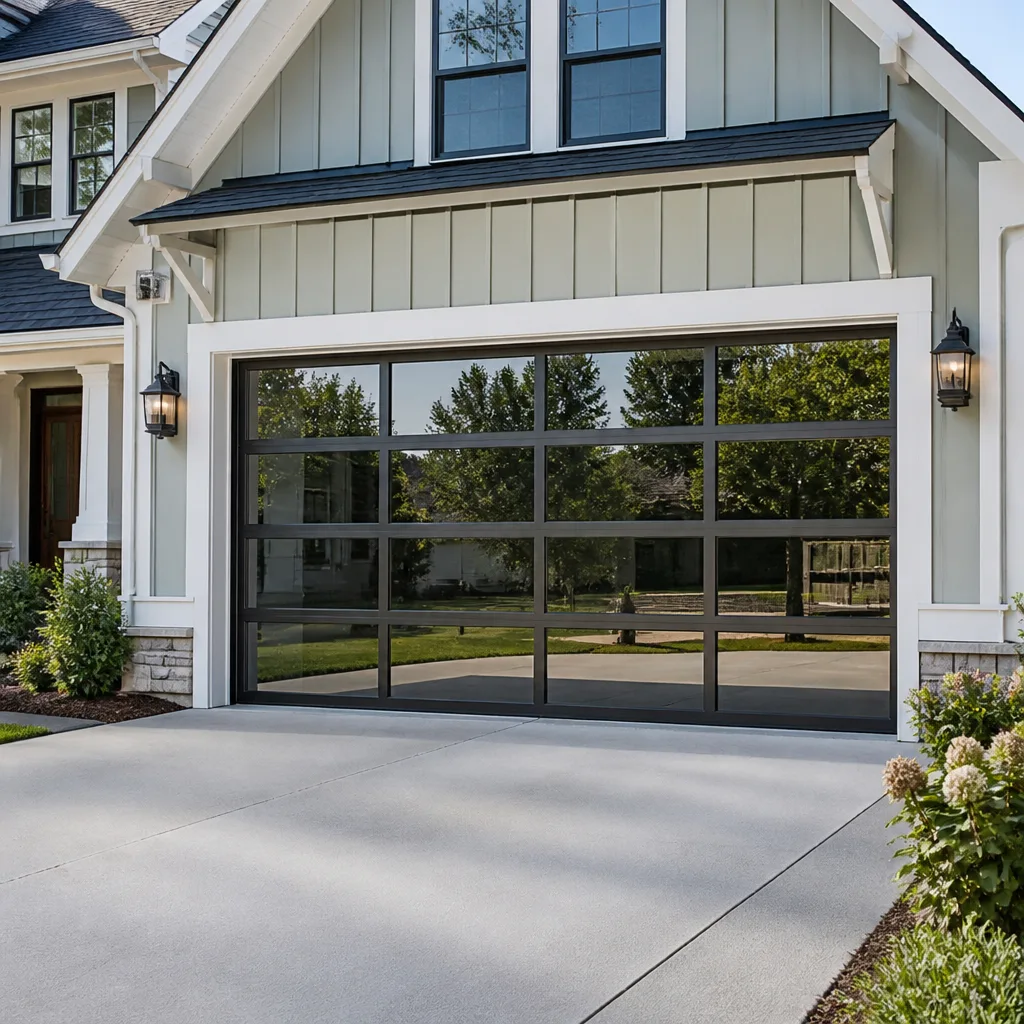 Full-view glass
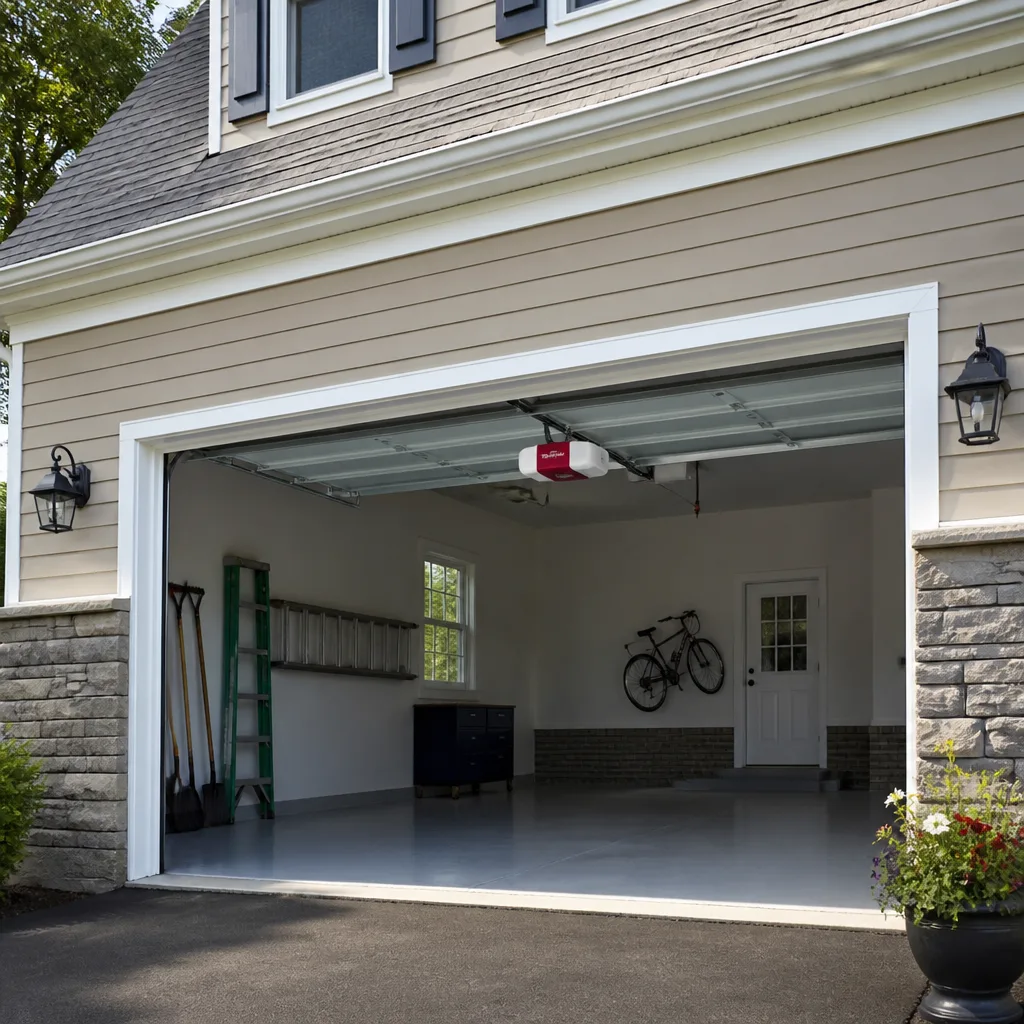 LiftMaster openers
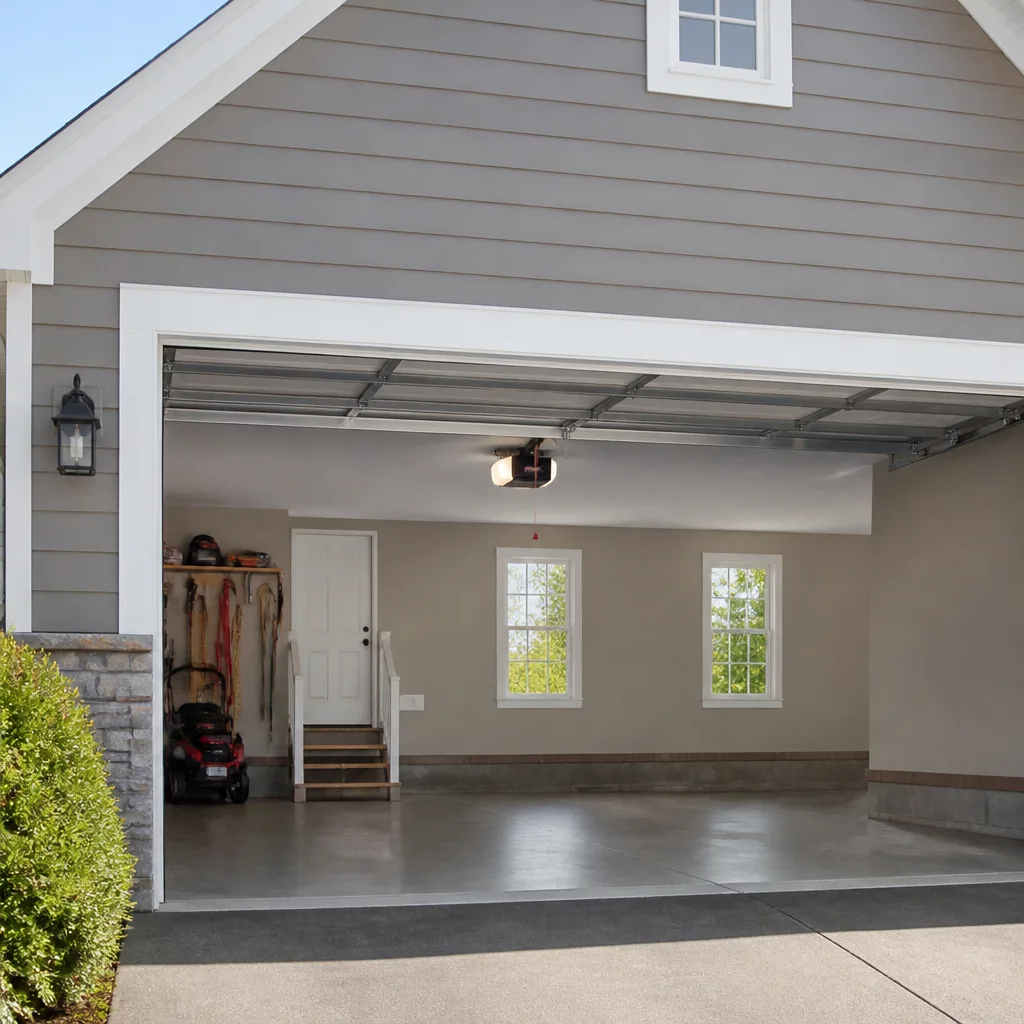 Chamberlain openers
Full 25-point door and opener safety check with every visit - springs, cables, rollers, tracks, and your LiftMaster or Chamberlain opener included
You get a price before we start. It does not change when the pro arrives.
Get your free estimateGarage Door Repair Troubleshooting in Pasadena: Common Problems and How to Fix Them
Most homeowners guess wrong. A door that shudders and groans on the way up gets a new opener. A door that won’t close gets a new door. A door that only opens halfway gets a spring replace that wasn’t needed. In almost every case the noise or the stall came from one specific component, and replacing anything else just moves the problem down the road. The five-minute diagnostic sequence below maps the exact behavior of your door to the part responsible for it, so the money you spend goes to the actual failure. We’ll cover the Gulf Coast humidity pattern that shortens the life of certain parts in Pasadena, the difference between a door that won’t open and one that won’t close, which checks are safe for you and which are a hard stop, and the brand quirks we run into most often. Read it once and you’ll know more about your door than most people ever do.
Pasadena sits in the humid coastal plain east of Houston, and that’s not background information. It changes which parts fail first and how fast. It’s the reason a door here starts acting up for reasons a door in a drier climate never would. We’ve spent years troubleshooting doors across this side of Harris County, and the sequence that follows comes straight from that work.
Quick Answer
To troubleshoot a garage door in Pasadena, start by watching and listening to the door in motion before you touch anything. Note whether it fails on the way up, the way down, or both, and whether the problem is mechanical (grinding, sagging, uneven travel) or a logic/safety fault (reverses immediately, blinks a code, doesn’t respond). Break at the door’s two cables, springs, and the safety sensor lenses before you ever consider calling a technician. Anything involving a torsion spring is an injury risk and belongs with a trained professional, not a homeowner with a ladder.
Styles & brands we work with
- Raised-panel steel
- Carriage house
- Modern flush
- Full-view glass
- LiftMaster openers
- Chamberlain openers
Table of Contents
- The Five-Minute Diagnostic Sequence
- The Component-Specific Symptom Map
- The Gulf Coast Humidity Variable
- Won’t Open vs. Won’t Close: Telling Them Apart in 60 Seconds
- Safe Checks vs. Hard Stops
- Brand-Specific Quirks: LiftMaster, Chamberlain, Craftsman, Raynor
- When to Call a Professional
- Frequently Asked Questions
The Five-Minute Diagnostic Sequence
The value of a diagnostic sequence isn’t the sequence itself. It’s that it forces you to observe before you judge. Homeowners who guess usually guess from the wrong starting point: they see a symptom, assume the most expensive part is at fault, and order the wrong replacement. Follow these steps in order and you’ll know in under five minutes whether you can fix it yourself or whether it needs a technician.
- Stand back and watch the full cycle. Push the wall button and let the door run all the way through open and close. Don’t stop it. Watch for the door to slow down, speed up, hesitate, twist, or catch. A door that moves unevenly is a mechanical problem. A door that moves smoothly but reverses on contact is a safety problem.
- Listen for where the noise comes from. Grinding high and centered near the ceiling usually traces to torsion hardware. Rattling that moves along the track as the door travels is almost always rollers or hinges. A single loud bang that precedes a door that won’t open at all is a broken spring.
- Check the safeties first. Look at the small sensor eyes near the floor on each side of the door. If either lens is cloudy, misaligned, or has something in front of it, the door will reverse or refuse to close for a reason that has nothing to do with the door itself.
- Test the manual release. With the door fully closed, pull the red release handle. The door should stay shut. If you can lift it a few inches by hand, the spring tension is unbalanced or a spring is broken. Getting the door back onto the opener afterward is the tricky part, so if you’re not confident, this is the point to stop and call.
- Read the opener’s light pattern. A blinking LED on the motor head is the opener telling you why it stopped. Counting the blinks and matching them to the manual takes a minute and can save you a service call entirely.
That’s the whole sequence. Five steps, five minutes, and you know whether you’re dealing with a mechanical problem, a safety problem, or a logic fault. If you come out of it uncertain, that’s information too. Call (855) 943-1327 and describe what you saw and heard. We answer 24/7, and fast dispatch runs 7am to 7pm.
If you want a second opinion before booking, our Garage Door Repair Pasadena Pros page explains what a technician actually looks at on arrival.
The Component-Specific Symptom Map
The fastest way to avoid paying for the wrong part is to match the exact behavior to the part responsible. Here’s how we mentally map symptoms to failures when we first walk up to a door. This table applies to any residential door in Pasadena regardless of brand, though the exact failure threshold varies by age and use.
- Slow on the way up, fine on the way down. The springs are losing tension, so the opener is doing work the springs should be doing. A partially failing spring will usually present this way before it fails entirely.
- Loud bang followed by a door that won’t open. Broken torsion spring. Stop operating the opener immediately. Running it with a broken spring can damage the motor and burn out the logic board.
- Door opens halfway and stops. If it’s a mechanical stop, the door is jamming on something in the track. If it’s a logic stop, the opener’s force-limit is set too low. Test by pulling the manual release; if the door moves smoothly by hand, it’s a logic limit, not a jam.
- One side sags lower than the other. A stretched or mis-set cable on one side, or a failing roller on one side. Rarely a spring problem on its own, but a slipping spring will drag one side unevenly.
- Door reverses immediately on close. Safety sensor problem or force-limit problem. The sensor is the more common cause by a wide margin.
- Door won’t respond to the remote but the wall button works. Remote battery, remote pairing, or the radio receiver in the motor head. Rarely the logic board.
- Door stops responding to the wall button and the remote. Usually the logic board, but check the wall button wiring and any safety sensors before that. A shorted sensor will lock the whole system out.
- Track grinding noise that gets worse over a few weeks. Worn rollers or a slightly bent track. Catching it early saves the track itself.
The pattern to notice: mechanical symptoms present as behavior you can see and hear in the door’s movement. Safety and logic symptoms present as the door refusing to run or immediately reversing. Localized symptoms point to localized parts. Whole-system symptoms usually trace back to the opener.
When springs are the culprit, our garage door spring repair team handles torsion and extension springs with the proper tools, which matters because a torsion spring under tension can cause serious injury if worked on without the right gear. Our technicians have up to 9 years of experience, and they’ll tell you straight whether you need one spring or a matched pair.
The Gulf Coast Humidity Variable
Pasadena sits in one of the more humid corners of Texas. The air holds moisture through most of the year, and that moisture settles on anything cold and metal. In our experience, garage doors around Pasadena start showing specific humidity-driven failures around the third to fifth year of a door’s life, sooner than you’d see further inland.
The failures that follow humidity go like this. Rollers rust and stop turning freely, so instead of rolling they drag inside the track. The door gets louder, harder to open, and the opener motor works harder than it should. Steel hinges and the track’s internal edges corrode in the same way. The safety sensor lenses fog up and hold a thin film of grime and condensation that regular wiping doesn’t fully clear, so the door starts reversing on close for no obvious reason. The opener logic board lives in a housing that gets warm and cool with the day, and the humidity that gets in condenses on the board itself.
A dryer climate would see most of these problems a few years later or not at all. A Pasadena door doesn’t have that option, which is why routine attention to the rollers, hinges, and sensor lenses goes farther here than the manufacturer’s maintenance schedule would suggest.
What actually helps:
- Wipe the sensor lenses with a dry cloth every couple of months, especially on doors facing south or west where the sun and morning condensation both hit harder.
- Listen for a door that’s getting louder. It almost always means rollers are beginning to seize, and new rollers are less expensive than a new opener.
- If you see surface rust spots on the track or hinges, they’re not just cosmetic. They’re an early sign the mechanism is grinding. Our garage door repair service addresses this kind of wear and can catch it before the track itself starts to deform.
- Keep the door’s bottom seal intact. A worn seal lets humidity and pests under the door, and it also lets water pool where the sensor sits.
None of these are emergencies. They’re the kind of small maintenance work that separates a garage door that lasts fifteen years from one that needs replacement at nine. Pasadena’s climate makes that gap a little wider than it would be elsewhere.
Won’t Open vs. Won’t Close: Telling Them Apart in 60 Seconds
These two symptoms get treated as one problem all the time, and they almost never are. A door that won’t open is usually a mechanical failure. A door that won’t close is usually a safety-stop fault. The difference matters because the fix for one won’t touch the other, and treating them as the same problem is where most misdiagnosed repairs start.
60-second test: which one is it?
- Watch what the door actually does. Does it try to move and stall? Does it move a few inches and go back? Or does it sit perfectly still with no motion at all?
- Try the manual release. If the door moves up and down by hand once released, the mechanism is fine and the problem is the opener or the safety sensors. If the door won’t move by hand, it’s a mechanical lockup: broken spring, snapped cable, or a carriage stuck on the track.
- Look at the opener light. If it blinks after a failed attempt, that’s a safety fault or a force-limit fault. If it stays solid and the motor hums, that’s a mechanical bind or a stripped gear. If it stays solid with no motor sound, that’s a power or logic board issue.
- Check the sensor eyes. If either one is out, misaligned, or blocked, the door will refuse to close even if the motor is fine. This is by far the most common cause of “won’t close” on modern openers from LiftMaster, Chamberlain, and Genie.
A door stuck open is a real security concern for Pasadena homeowners. That garage is now open to the street, and there’s no way around it: you need the door down today, not next week. A door stuck closed is inconvenient but not a security risk, so it’s usually less urgent to book. Same-day service matters most in the first case, and emergency service exists for exactly that reason. If your door is stuck open and it can’t wait, our garage door opener repair team can work through the diagnostic with you on the phone before you commit to a visit.
Safe Checks vs. Hard Stops
Some troubleshooting steps are genuinely safe for a homeowner with a few basic tools. Others are a hard stop. Telling the two apart before you open the toolbox is the single most important thing on this page.
Genuinely safe for homeowners
- Wiping the safety sensor lenses with a dry cloth.
- Clearing debris, a parked car, or a broom handle from in front of the sensors.
- Replacing batteries in the remotes and the wall button if the opener requires it.
- Resetting the opener by unplugging and replugging it to clear a logic fault. This does not reset travel limits, so it’s safe.
- Re-engaging the manual release after the door is fully closed.
- Watching the door and listening for where the noise comes from.
- Counting the blinks on the LED pattern and looking up the code in the manual.
Hard stop: do not attempt
- Adjusting or replacing a torsion spring. The spring above the door is under hundreds of pounds of tension. The tools to wind and unwind it are specific and expensive, and a slip can cause serious injury. Springs are not a DIY fix, full stop. This is the one component on the door we will always tell a homeowner not to touch.
- Removing or reattaching the cables. A cable that’s released under tension behaves unpredictably and can whip. Even experienced technicians use specific techniques to keep themselves safe.
- Adjusting travel limits or force settings without the manual. Wrong settings can cause the door to slam or fail to reverse on contact, both of which are dangerous.
- Working on the opener while the door is partially open. Unplug the opener and lower the door fully before doing anything electrical.
- Pulling the manual release while the door is open. The door will fall. Only use the manual release when the door is fully closed.
- Bypassing a safety sensor. If a sensor is failing, replace it. A bypassed sensor is a real injury risk.
Everything on the hard-stop list sounds routine, and that’s what makes it dangerous. We’ve walked into too many near-misses caused by a homeowner ordering a spring online and expecting a straightforward job. If you’re not sure which category a repair fits into, call (855) 943-1327. We answer 24/7, and the estimate is free.
Brand-Specific Quirks: LiftMaster, Chamberlain, Craftsman, Raynor
The four brands we see most often in Pasadena each have their own troubleshooting signature. A generalist who’s read the manual for one opener will still miss what a homeowner whose opener has been in the garage for years already knows. Brand-specific diagnostics exist because each brand’s firmware and hardware tells you what’s wrong in a slightly different way.
LiftMaster: MyQ connectivity faults
LiftMaster openers with MyQ connectivity are the most common source of “the app says the door is open but it isn’t” calls we get. The problem is nearly always the network, not the door. Check the Wi-Fi router first. If the router was reset or the network name has changed, the opener will stay offline until it’s re-paired. The opener’s LED will often blink in a specific pattern when it’s trying to reconnect. MyQ setup with LiftMaster has its own quirks around the initial pairing that can take a couple of tries. If the door itself works fine from the wall button but the app won’t reach it, the fix is in the app, not the door.
Chamberlain: error code blink patterns
Chamberlain openers from the last decade are built around a blink-code system. When the door refuses to move, the LED on the motor head flashes a pattern that corresponds to a specific fault: sensor alignment, sensor obstruction, force-limit exceeded, motor overload, or a logic error. Count the blinks, look up the code, and you’ll know in 30 seconds whether the fault is safety-related or mechanical. We see homeowners contact us for “opener failure” when they’ve just got three flashes meaning the safety sensor is dirty. Wipe the lens, clear the obstacle, and the door works again. Chamberlain shares a lot of hardware with LiftMaster, so the same sensor problems show up in different costumes.
Craftsman: force-limit reset
Craftsman openers have their own force-limit sequence that most homeowners haven’t seen in the manual. When the door reverses for no obvious reason after the sensors have been checked and cleaned, resetting the force limit is the next step. The sequence involves a specific button press order on the opener head and releasing it in response to the door’s travel. It’s not hard, but it’s easy to do wrong and end up with a door that travels incorrectly. The manual is the source of truth here. If you don’t have the manual, don’t guess.
Raynor: spring and cable wear
Raynor doors tend to come with matched spring and cable pairs, and when one fails the other is almost always close behind. A Raynor door making a sharp metallic noise as it opens is showing you tension being stepped up to a matched part. We tell Raynor owners to plan for both springs at once when one goes, because running on a single new spring against an old one will shorten the life of both. Raynor’s cable posts also tend to corrode faster than some other brands in Pasadena’s humidity, so inspect them along with the springs.
Door brands also matter
Door brands (Clopay, Amarr, Wayne Dalton, and Raynor) each have their own panel and hardware patterns. LiftMaster, Chamberlain, Genie, and Craftsman cover the openers. Knowing which brand your door and opener each are saves you the first visit where a generalist inspects and then orders the wrong part. When you call (855) 943-1327, tell us the brand on both the door and the opener and the technician arrives already familiar with the system.
Common Mistakes to Avoid
Most of what we see on a repair visit is a version of one of these. Avoid them and you’ll spend less on parts and less time waiting for the door to work again.
- Replacing the opener when the springs are the problem. This is the single most common misdiagnosis we see. A door that’s slow, heavy, or unable to open fully is showing spring fatigue, not opener failure. A new opener on old springs will fail within months.
- Replacing one spring when the pair is worn. Springs are matched as a pair. Putting one new spring next to a fatigued one puts extra load on the old spring and shortens the life of both. When one goes on a door past four or five years, replace the pair.
- Ordering parts from a brand that doesn’t match. Openers and doors use different brands. A Craftsman remote won’t pair with a Genie opener, and Clopay replacement panels won’t fit an Amarr door. Write down the brand and model of both before you order anything.
- Shutting off the safety sensors to stop the door from reversing. This is a real injury risk, especially with kids or pets in the garage. If the door reverses, fix the sensors. Never bypass them.
- Ignoring sensor lens fogging in Pasadena’s humidity. A lens that looks clear from a few feet away can still hold a thin film. Wipe with a dry cloth, not a wet one, and check both sides. Most “won’t close” failures here start with the lens.
- Running the door on a broken spring. The motor will work harder to lift the door and can burn out the logic board, which turns a spring repair into a spring repair plus an opener replacement. If you’ve heard the bang, stop using the door and call.
- Trusting a generalist to diagnose your specific brand. A handyman can do a lot of things a specialist can too, but brand-specific diagnostic patterns (blink codes, force limits, MyQ pairing) are learned through volume, and generalists don’t see enough of them to build that muscle. This is where brand-specific diagnostics save a return visit.
When to Call a Professional
Call a professional for any of these: a broken torsion spring, a snapped cable, a door that’s come off its track, a door that’s sagging on one side, an opener that’s burning through fuses, or a door you can’t safely lower. Call a professional if the diagnostic sequence above pointed you to something on the hard-stop list, or if you came out of it uncertain. Call a professional if the door is stuck open and your garage is exposed to the street, or if you hear any loud bang from the door and the opener still tries to lift it.
Garage Door Repair Pasadena Pros offers free estimates in Pasadena. Call (855) 943-1327. We answer 24/7 and fast dispatch runs 7am to 7pm. Our technicians have up to 9 years of experience, and they know LiftMaster, Chamberlain, Genie, Clopay, Amarr, Wayne Dalton, Craftsman, and Raynor systems well enough to arrive already familiar with yours.
Frequently Asked Questions
The most common garage door problem in Pasadena is a door that won’t close all the way, and the cause is almost always the safety sensor. Humidity in this part of Texas fogs the sensor lenses and holds a film of grime that a few wipes usually clears. If the door reverses on close even after both lenses are wiped dry, the next most common cause is a force-limit setting that’s drifted, which is a technician adjustment. Call (855) 943-1327 for a free estimate.
No. Garage door springs, torsion or extension, are under hundreds of pounds of tension and are a hard stop for homeowners. The tools and technique required are specific to the trade, and the injury risk from a slipped spring is real. Springs are not a DIY fix. Call (855) 943-1327 for spring repair with the proper tools and technique.
A blinking opener light is the opener telling you why it refused. On LiftMaster, Chamberlain, and Craftsman openers, the number of blinks in the pattern matches a fault code in the manual: sensor alignment, sensor obstruction, force-limit exceeded, motor overload, or a logic error. Count the blinks, look up the code, and you’ll know whether the fault is safety-related or mechanical. If the manual is gone, call (855) 943-1327 and describe the pattern.
If the wall button works and the remote doesn’t, the door itself is fine and the problem is in the remote or the opener’s radio receiver. Start with the remote battery, then re-pair the remote to the opener following the brand’s pairing sequence. If neither works after a fresh battery and a re-pair, the receiver in the motor head may have failed. LiftMaster and Chamberlain receivers are usually the component, and Genie and Craftsman follow the same pattern. Call (855) 943-1327 if you’d like a technician to test the receiver.
A broken torsion spring usually announces itself with a single loud bang from above the door, followed by a door that won’t open or opens only a few inches before stalling. Pull the red manual release when the door is fully closed; if you can lift the door by hand a few inches easily, the springs are gone or unbalanced. Stop using the opener immediately. Running the door on a broken spring can burn out the motor. Call (855) 943-1327 for the same diagnostic, and same-day repair when it’s available.
Yes. Our technicians work on LiftMaster, Chamberlain, Genie, Clopay, Amarr, Wayne Dalton, Craftsman, and Raynor equipment. If your door and opener are from different brands, that’s normal and common. Tell us both brands when you call and the technician arrives knowing your system. Call (855) 943-1327.
The Bottom Line
Most garage door problems look alike and aren’t. The five-minute diagnostic sequence is the whole trick: watch the door, listen for the noise, check the sensor lenses, test the manual release, and read the blinking light. That tells you whether you’re facing a mechanical failure, a safety fault, or a logic problem, and which component is responsible. Pasadena’s humidity pushes a couple of specific failure modes (roller corrosion, sensor lens fogging) a few years earlier than you’d see them elsewhere. Springs stay on the hard-stop list. Brand understanding is what makes the difference between a repair that holds and a repair that returns. If the diagnostic leaves you with a broken spring, a snapped cable, or a door stuck open, call (855) 943-1327 for a free estimate.
Written by the team at Garage Door Repair Pasadena Pros.
See the difference
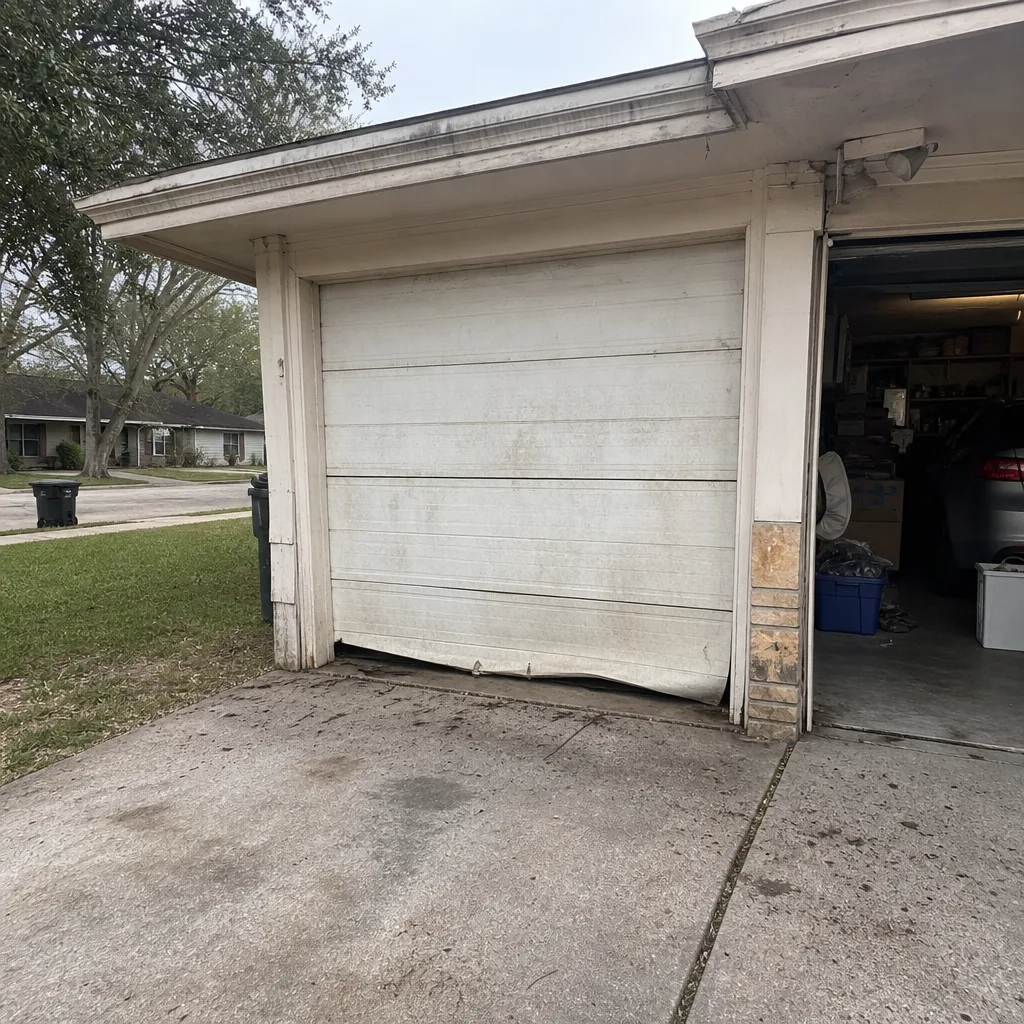 Before
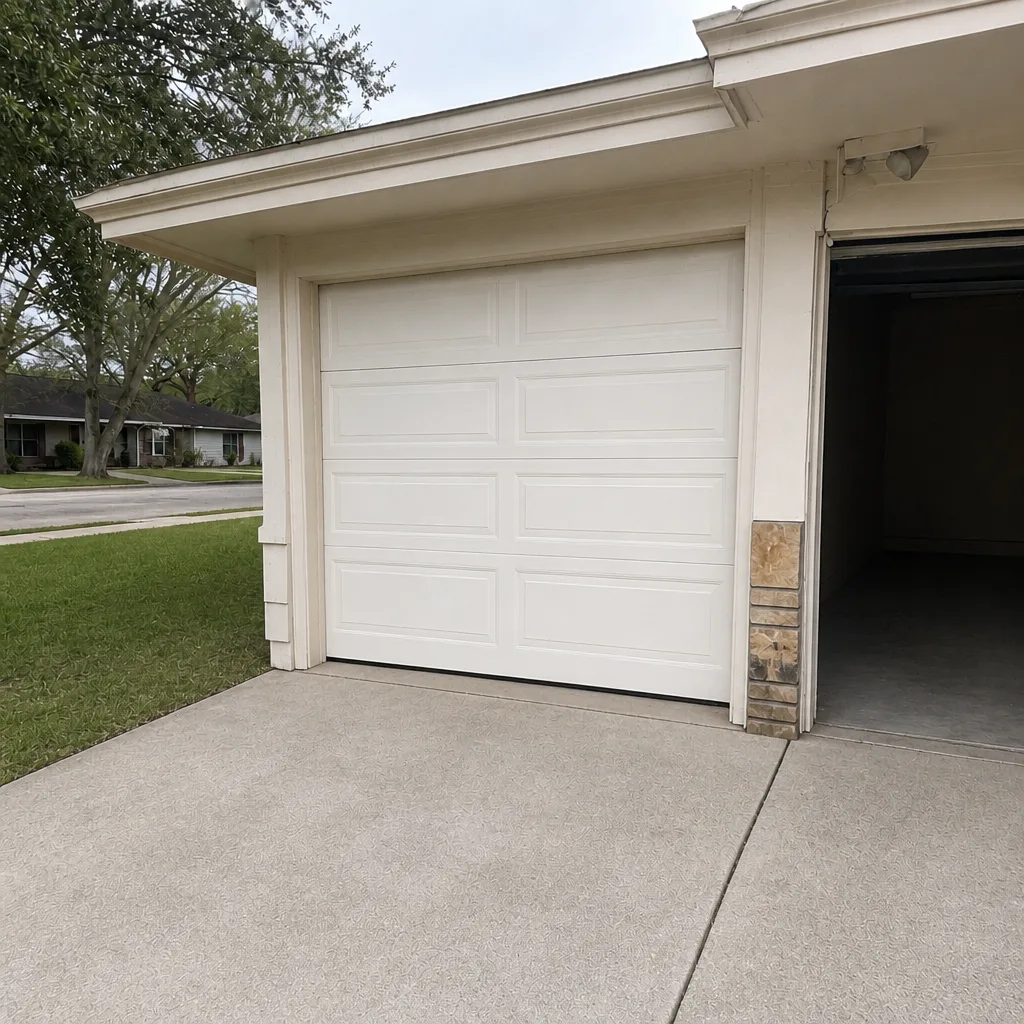 After
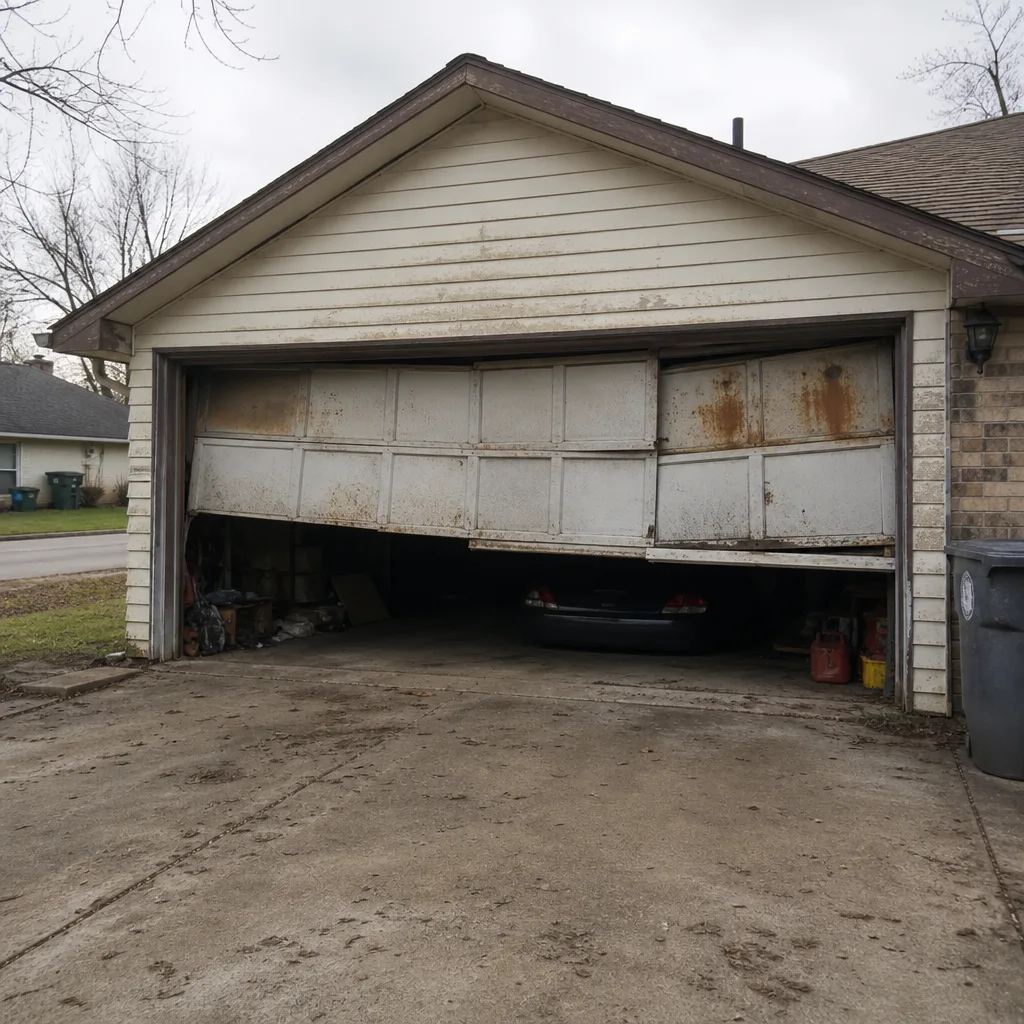 Before
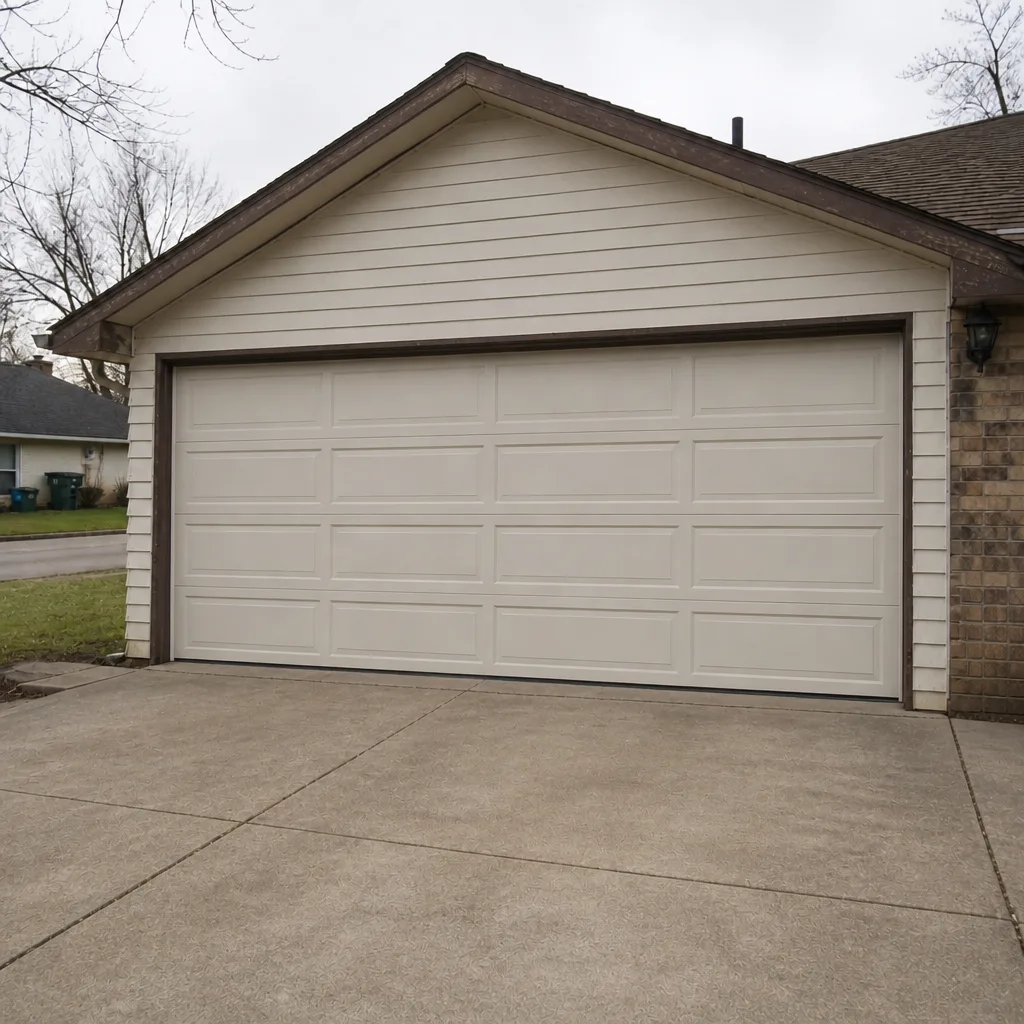 After
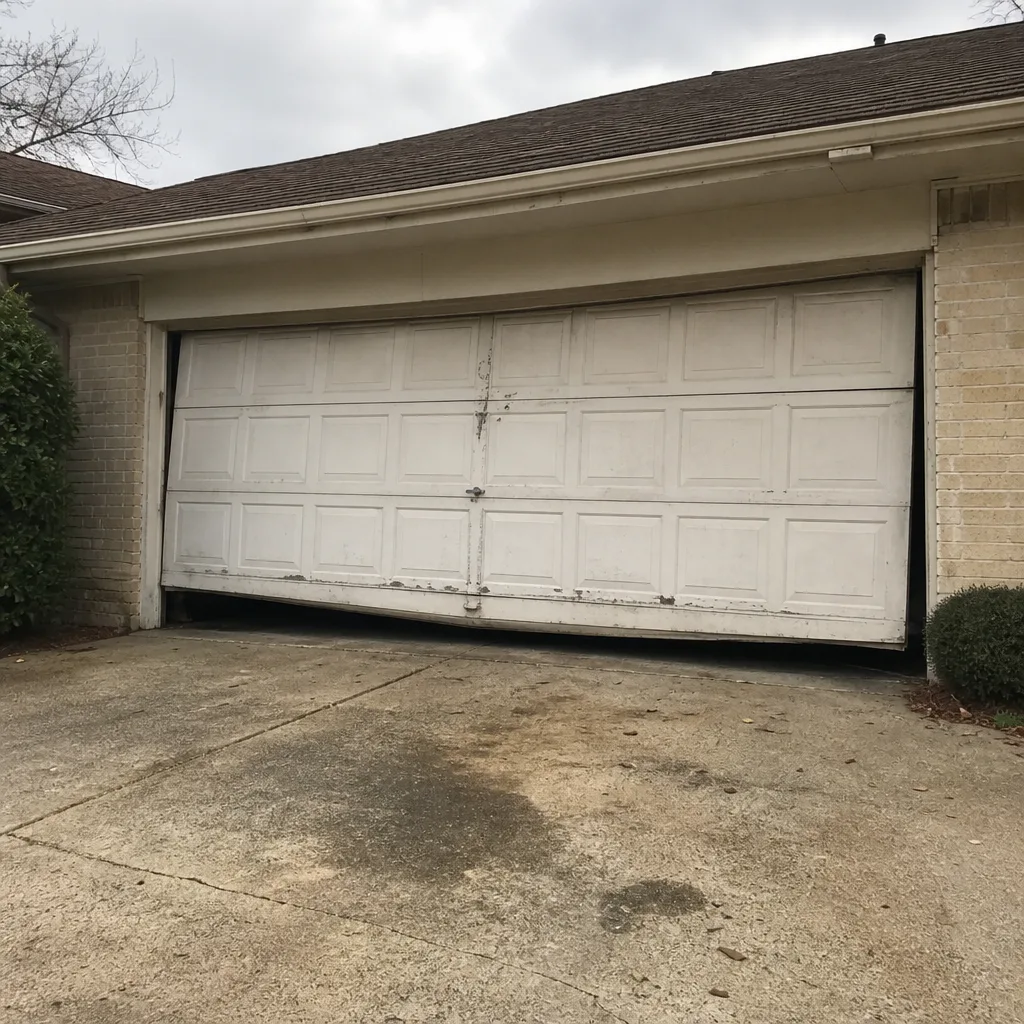 Before
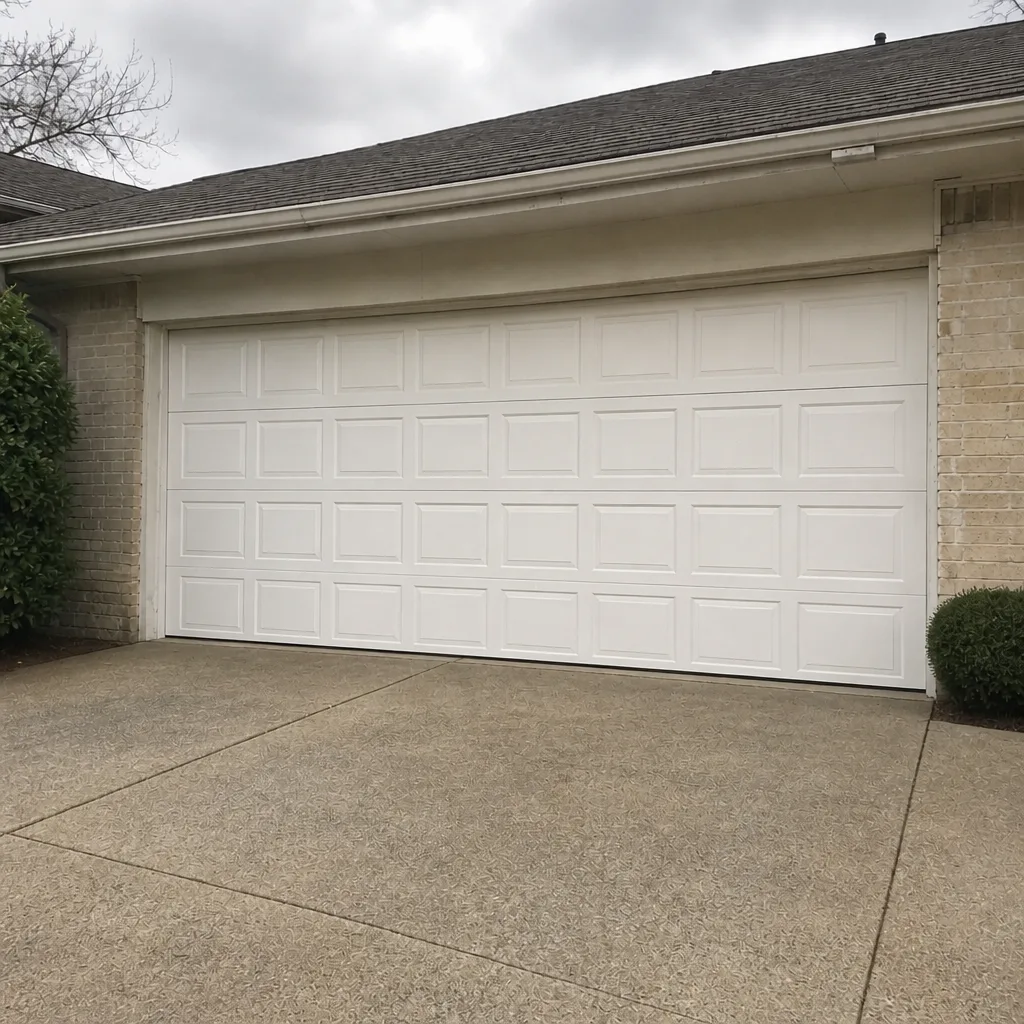 After