
Last updated November 21, 2026
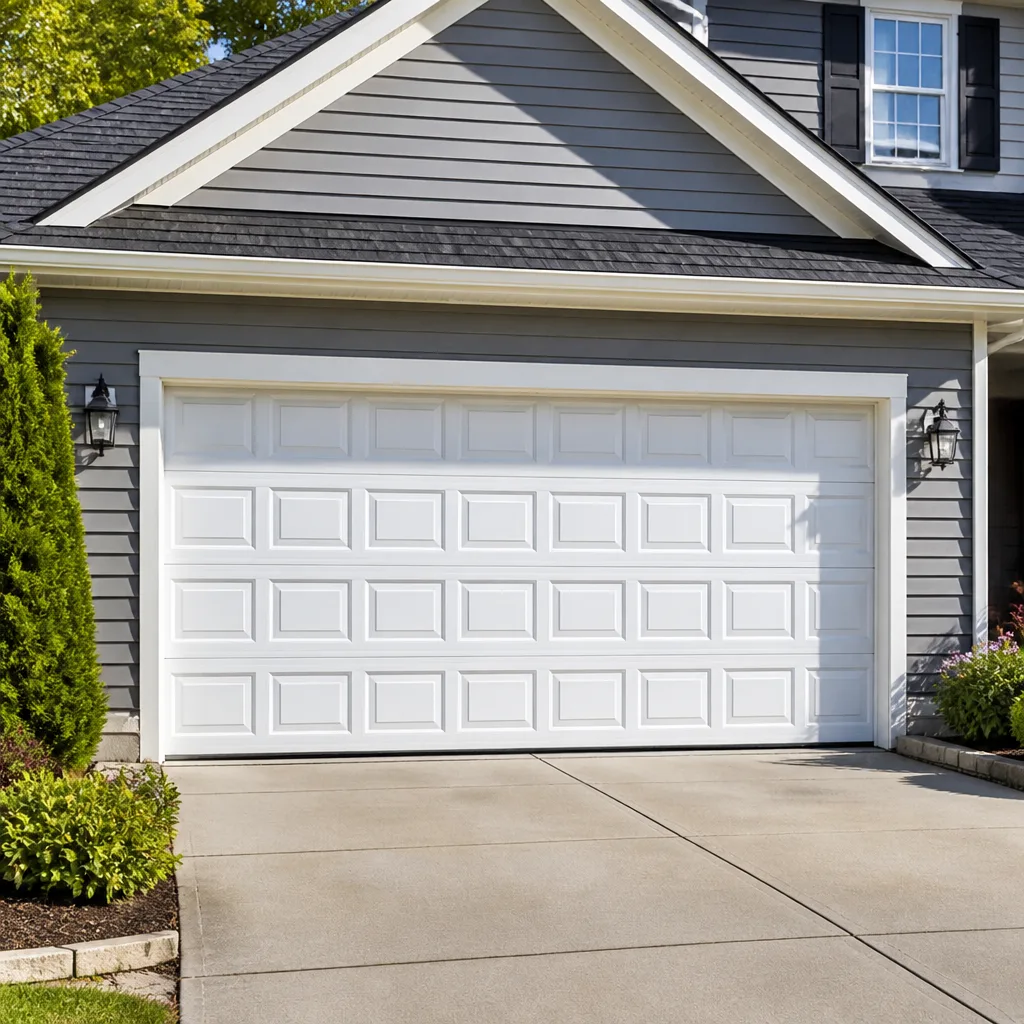 Raised-panel steel
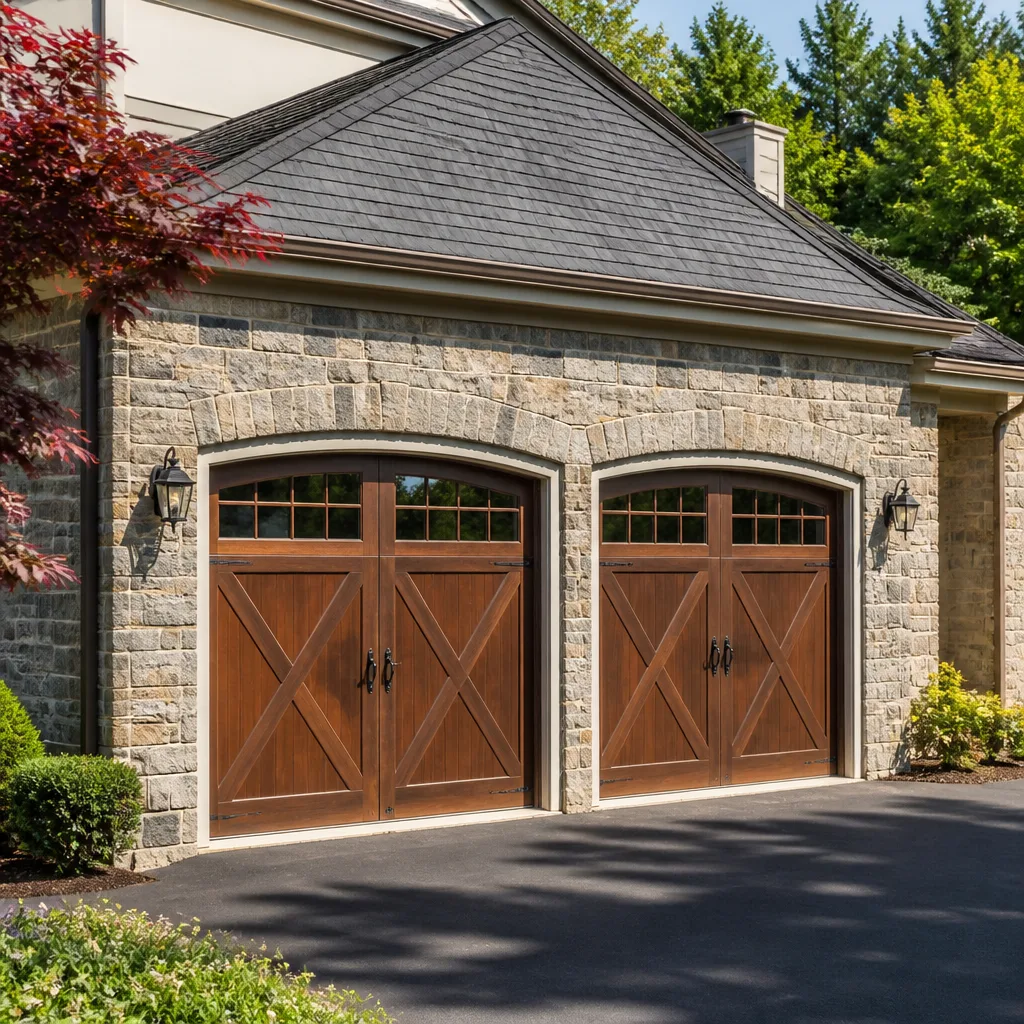 Carriage house
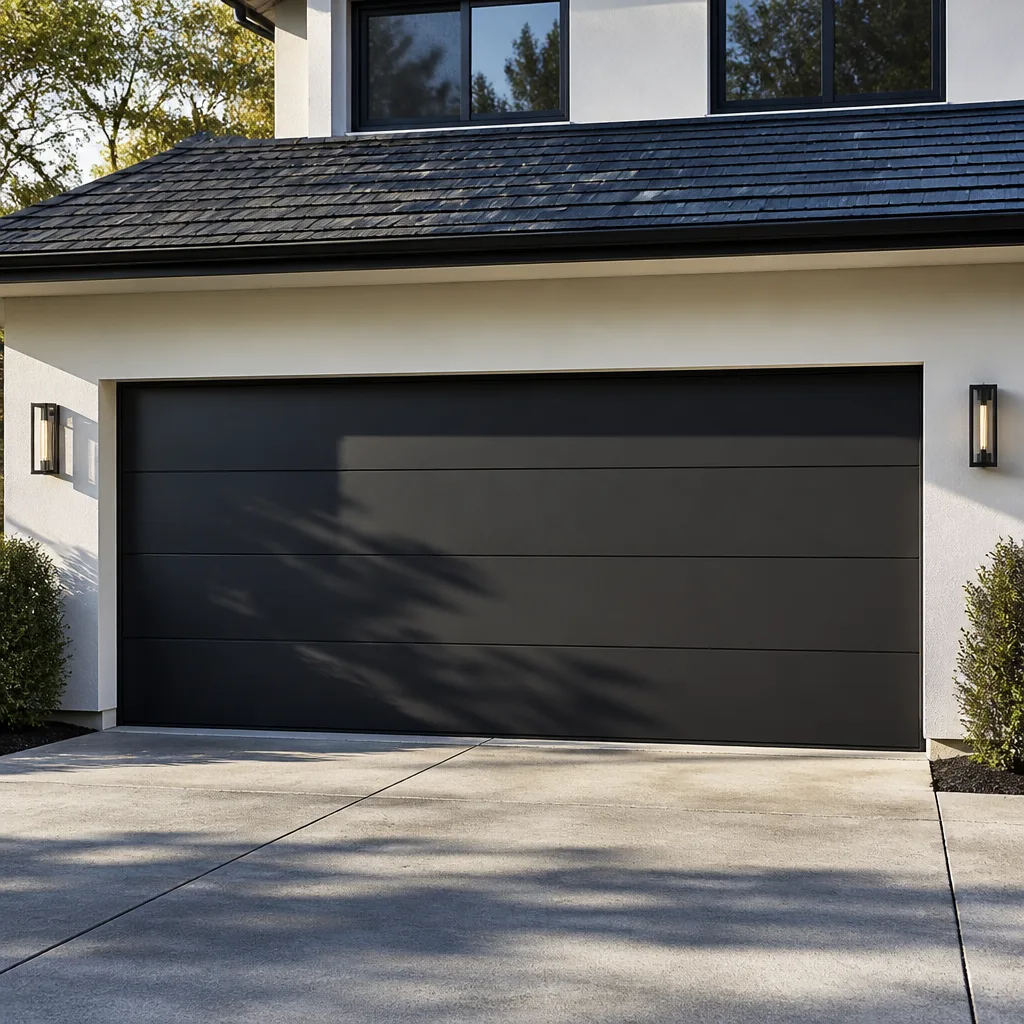 Modern flush
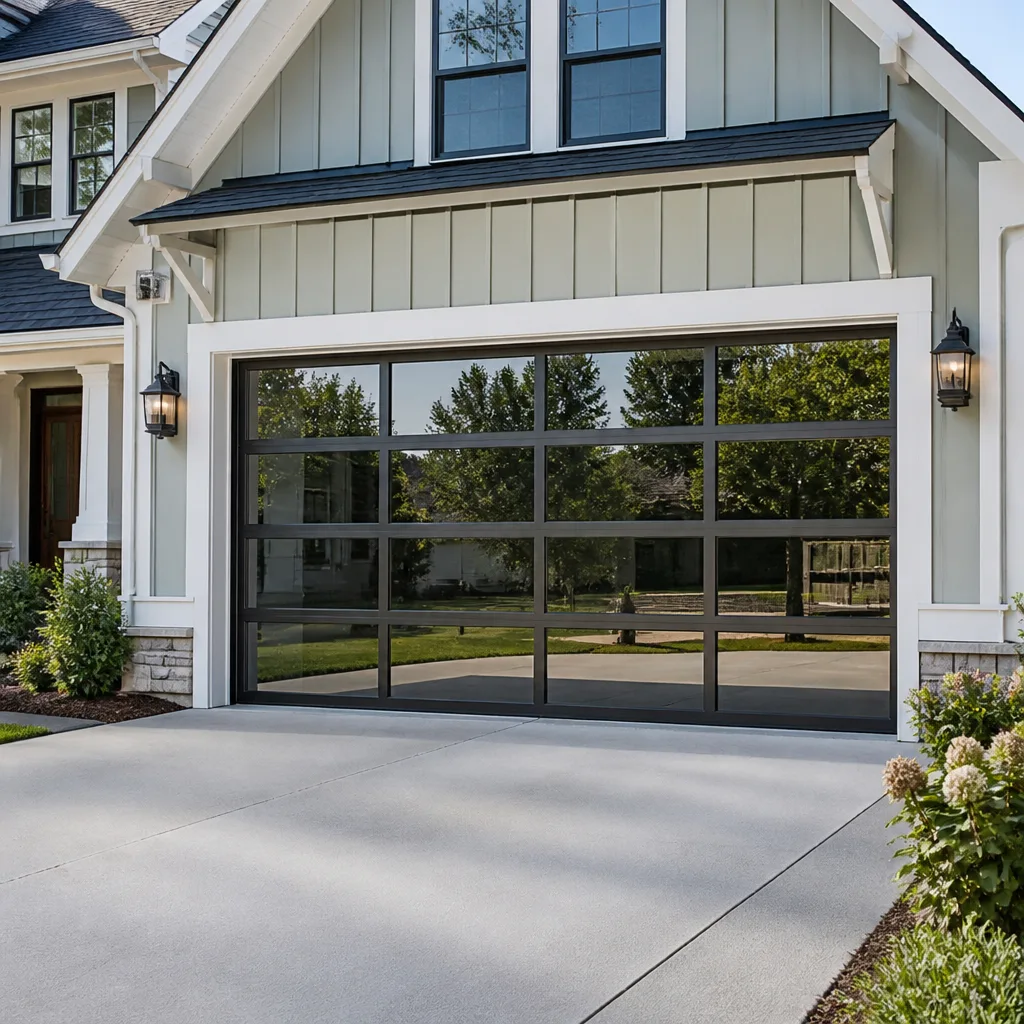 Full-view glass
 LiftMaster openers
 Chamberlain openers
Full 25-point door and opener safety check with every visit - springs, cables, rollers, tracks, and your LiftMaster or Chamberlain opener included
You get a price before we start. It does not change when the pro arrives.
Get your free estimateSeasonal Garage Door Care for Pasadena: Year-Round Homeowner’s Guide
Pasadena homeowners who winterize their garage door the way a Minnesota guide recommends are protecting against cold that rarely comes while ignoring the tropical storm season that absolutely will. Most seasonal garage door advice is written for a four-season climate: snow load, ice dams, salt on the roads. Pasadena doesn’t work that way. Our year runs on a Gulf Coast model built around three real pressures: hurricane season from June through November, months of tropical humidity that works on every seal and steel panel, and the occasional hard freeze that catches the region off guard. Each one attacks a different part of your door system, and each one has a specific maintenance answer. This guide walks through what to check, when to check it, and what genuinely belongs in the hands of a trained technician. It’s written for Pasadena, not a generic climate map.
Quick Answer
Garage door maintenance in Pasadena follows a Gulf Coast schedule, not a four-season one: a pre-hurricane hardware inspection in May, heat management for the opener through summer, a seal and rust check during fall’s humid stretch, freeze-safe lubrication before winter, and a full post-storm inspection before you run the door after any named storm. Spring work is never a homeowner job, because torsion and extension springs are high-tension components that require specialized tools. Everything else on the list is something you can realistically keep an eye on yourself between professional visits.
Styles & brands we work with
- Raised-panel steel
- Carriage house
- Modern flush
- Full-view glass
- LiftMaster openers
- Chamberlain openers
Table of Contents
- The May Pre-Hurricane Season Checklist
- Summer Heat and Your Opener’s Circuit Board
- Fall Tropical Moisture: Seals and Early-Stage Rust
- Winter Hard Freezes and the Lubricant Question
- Post-Storm Inspection: What to Do Before You Operate the Door
- Why Springs Are Not a DIY Fix
- Pasadena’s Month-by-Month Care Calendar
The May Pre-Hurricane Season Checklist
May is the month that matters most in Pasadena. Hurricane season officially opens in June, and the work you do in May is the work that determines how your door behaves when a tropical system pushes through the Gulf. The garage door is the largest moving opening on most homes, and it’s also the most frequently overlooked piece of wind-load hardware on the exterior.
Here’s the sequence we recommend running every May:
- Walk the track bolts and hinge screws. Vibration from a full year of opening and closing loosens fasteners gradually. Check every bolt on the vertical and horizontal track, every hinge screw, and the lag bolts that anchor the track to the wall. Snug them with the correct driver; don’t overtighten and strip the wood.
- Inspect the wind-load hardware. Look at the reinforcement struts across the top and middle of the door panels, the center stile brackets, and the jamb brackets at each corner. Any bent strut or cracked bracket is a weak point worth replacing before storm season, not after.
- Test the emergency release. Pull the red handle and confirm the door disengages from the opener and moves freely by hand. Re-engage it and run the door once. If the release is stiff or the door won’t re-engage cleanly, that’s a repair item.
- Check the weather seal at the bottom. A dry, cracked bottom seal lets wind-driven rain underneath, and in a storm it’s the first thing to fail. Press the seal with your thumb; if it doesn’t spring back, it’s due for replacement.
- Verify the auto-reverse safety feature. Place a roll of paper towels under the door and close it. The door should reverse on contact. Test the photo-eye sensors the same way by blocking the beam. Both should stop and reverse the door; if either fails, call a technician.
None of these steps takes more than a few minutes individually, and together they cover the majority of what a storm will test. We’ve seen doors in Pasadena that survived a named storm with no damage and doors that came off their track, and the difference is almost always whether the hardware was tight and the sensors were working before the wind arrived. A failing sensor doesn’t make the door weaker in wind, but it does mean the door may not behave predictably during the storm and the power flickers that follow it. If a sensor or opener is already throwing trouble codes before June, get it fixed now: visit our page on garage door opener repair for what brand-specific diagnostics involve.
If your door uses a Wayne Dalton or Amarr system, pay particular attention to the manufacturer’s strut and bracket layout in May. Both brands have specific reinforcement patterns that are designed to work with the door’s panel construction, and adding aftermarket hardware incorrectly can do more harm than good. A technician familiar with the brand will know exactly which points to check.
Summer Heat and Your Opener’s Circuit Board
Pasadena summer heat does something that northern maintenance advice never accounts for: it turns an attached garage into an oven. A garage with a west-facing exterior wall and no ventilation can run well above 100°F inside on a summer afternoon, and the opener motor and circuit board sit right up there in that heat. This is the origin of a huge share of the opener failures we diagnose in Pasadena from July through September.
Heat accelerates the failure of the small electrolytic capacitors on the opener’s circuit board, and it stresses the motor windings and the logic components that control travel limits. The symptoms show up gradually before the opener fails outright:
- The door stops short of fully closed or fully open and needs a second press.
- The opener’s light flickers or stays on when the door isn’t moving.
- Remote range drops noticeably, especially from inside the house.
- The motor sounds labored or runs hotter than usual to the touch.
- The opener beeps or flashes a trouble code without a clear cause.
What you can do in summer is mostly about reducing heat load. Keep the garage door closed during the hottest part of the afternoon to block radiant heat, and open a window or vent if your garage has one to let hot air escape. Don’t store propane tanks or other heat-sensitive items in the garage, and don’t stack boxes against the opener. A small fan moving air near the opener motor helps more than most people expect.
What you shouldn’t do is ignore the warning signs and wait for the opener to quit. Heat-related board failures are progressive; catching the early symptoms means a board-level or opener repair rather than coming home to a door that won’t open. If your LiftMaster, Chamberlain, Genie, or Craftsman opener is showing any of the symptoms above, a technician can read the codes and diagnose the specific component before the heat finishes the job. That’s the same diagnostic process we describe on our garage door opener repair page, and it applies to every one of those brands.
One scheduling note: if the opener itself needs replacement, that’s a scheduled job. The technician measures, orders the correct model, and returns to install it with a written price agreed beforehand. Summer is a good time to get that done, but it isn’t a same-day item unless the opener has failed entirely and the door is stuck.
Fall Tropical Moisture: Seals and Early-Stage Rust
Fall in Pasadena brings a different kind of pressure. The humidity climbs, tropical systems can still push moisture our way well into November, and every seam and seal on your garage door gets tested by weeks of damp air. This is the season when small seal failures and early-stage rust become visible if you know where to look.
Here’s the seal inspection protocol we walk homeowners through every fall:
- Bottom seal first. Run a hand along the full width of the bottom weather strip. Look for flattening, cracking, or gaps at the corners where water can track in. A seal that’s lost its spring won’t keep out the humid air that drives rust inside the door panels.
- Side and top seals. Check the vinyl or brush seals on the jambs and header for tears, separation from the frame, and gaps larger than a pencil width. These are cheap to replace and they do most of the work of keeping moisture out of the panel interior.
- Panel seams and bottom edges. Moisture collects at the bottom inside edge of steel doors and along the horizontal seams between panels. Run a finger along each seam and look for a chalky, orange-brown film. That film is early-stage rust, and it’s the stage where you can still stop it.
- Hinges and roller brackets. Steel hardware rusts before the panels do, and a rusty hinge is a clue that moisture is getting into the door’s joints. Check every hinge for orange staining or seizing.
- Door frame and jamb. Look for water staining on the wood or metal framing around the opening. A stain on the inside jamb means water is getting past a seal somewhere above it.
When you find early rust, the fix is mechanical before it’s cosmetic: clean the affected area, dry it thoroughly, and treat it with a rust-inhibiting product designed for steel garage doors. If the rust has moved into the bottom edge of a panel and the metal is beginning to pit, that’s a sign the door’s weathering has failed in that location, and a technician should assess whether the panel or the whole door is the better repair. Clopay steel doors, in particular, are built with a specific bottom seal profile that needs to be matched correctly when replacing it; the wrong profile leaves a gap that repeats the problem next fall.
Fall is also the right time to check that your garage door’s interior isn’t trapping humid air. If the garage is sealed tight and the door faces the evening sun, condensation can form on the inside of the panels overnight. A little ventilation and a correctly seated bottom seal handle most of this.
Winter Hard Freezes and the Lubricant Question
Pasadena doesn’t see a northern winter, but it does see hard freezes. When temperatures drop into the mid-20s, the lubricant on your door’s moving parts is tested in a way it isn’t for the rest of the year. The wrong lubricant thickens, the door runs stiff, and the opener motor has to work harder than it should to move the door. That extra load shows up as premature wear on the opener and the rollers.
The lubricant question is specific and easy to answer: use a silicone-based or lithium-based lubricant rated for low temperatures, and avoid heavy grease on the tracks. Grease that’s fine at 70°F becomes a sticky drag on the rollers at 25°F, and it collects grit that makes things worse. A light application of the correct lubricant on the hinges, rollers, and torsion bar bearings is the winter prep that actually matters in Pasadena.
Here’s the winter check we recommend before the first hard freeze of the season:
- Lubricate the moving parts with a low-temperature-rated silicone or lithium lubricant: hinges, roller stems, bearings, and the torsion bar.
- Don’t lubricate the tracks. Tracks should be clean and dry; lubricant on the track attracts grit and causes the rollers to skid.
- Balance-test the door. Disengage the opener and lift the door by hand to about waist height. A balanced door stays there. One that drops quickly is a sign a spring is losing tension and should be checked by a technician.
- Check the opener’s travel limits. Cold can change how the door seats at the bottom. If the door doesn’t close flush on the coldest mornings, the limits need adjustment.
- Look at the photo-eye sensors. Cold air and condensation can fog the lenses. Wipe them clean and confirm the door reverses on contact.
What we don’t want you doing in winter is fighting a spring that’s lost tension. A hard freeze can finish off a torsion spring that was already near the end of its life, and the unsafe part isn’t the cold; it’s the high-tension component. If the door feels heavy or the opener is straining, that’s a call, not a project. Our garage door spring repair page covers what a technician checks and why the work is done with specialized winding tools.
If your garage door opens into an unconditioned space and you store anything temperature-sensitive there, a cold morning is a good time to move it. What we’re after in Pasadena winter prep is a door that moves smoothly at 25°F the way it does at 75°F. Lubricant and balance are the two variables you control.
Post-Storm Inspection: What to Do Before You Operate the Door
After any named storm passes through the Pasadena area, the single most important thing a homeowner can do is not press the opener. A door that’s been stressed by wind, debris, or a nearby impact can be off its track, have a bent panel, or have a compromised spring, and running it can turn a repairable problem into a door that comes down. Run this inspection sequence in order before you touch the opener:
- Stand back and look. From outside the door, check that the panels are straight and aligned. Look for dents, bent struts, or panels pushed out of the vertical line.
- Check the track at the floor. Look at the bottom of each vertical track where it meets the floor. If the track is bent, spread, or pulled away from the wall, the door’s rollers are not fully captured and the door must not run.
- Look for debris in the tracks. Storm-blown leaves, twigs, and grit collect in the track and jam the rollers. Clear it by hand with the door fully closed and the opener disengaged only if it’s safe to do so.
- Check the struts and brackets. Any reinforcement hardware that’s bent or separated should be treated as a structural failure. Don’t run the door.
- Test the door by hand. With the opener disengaged, lift the door gently. If it binds, catches, or feels heavier than usual, stop and call a technician.
- Inspect the springs. Look at the torsion spring above the door and the extension springs along the horizontal track. A broken spring shows as a visible gap in the coil. Do not touch, adjust, or try to replace a spring yourself. These components are under extreme tension and can cause serious injury.
- Check for water intrusion. Look for water staining on the inside of the door, the tracks, or the floor. Wet tracks and hardware should be dried and inspected for rust before the door runs regularly.
Only after all seven steps come back clean should you re-engage the opener and run the door once, watching for any unusual sound. If anything is off at any stage, stop and call a professional; a door that’s off its track is a same-day repair priority, and the sooner it’s assessed, the less likely a bent panel becomes a full door replacement.
If the storm has left your door stuck open or unable to close, that’s an emergency garage door situation because the opening is now a security gap. Call us and we’ll get a technician dispatched as fast as we can. This is the “when it can’t wait” scenario our garage door repair team handles.
Why Springs Are Not a DIY Fix
Every guide to seasonal garage door care eventually arrives here, and most of them are too polite about it. Torsion and extension springs are held under tension that can be hundreds of pounds, and the tools used to wind and release them are specialized for a reason. A spring that lets go while you’re under tension can cause serious injury, and the workaround methods circulating online are genuinely dangerous. This is the number one thing we tell Pasadena homeowners: springs are not a DIY fix.
What a trained technician does differently:
- Uses proper winding bars and tools designed for the specific spring diameter and wire gauge on your door.
- Measures spring tension and door balance with the door in the correct position, because winding a spring against an unbalanced door is a recipe for failure.
- Replaces springs in matched pairs when they’re a matched set, because replacing one side of a pair leaves the door unevenly loaded and the new spring fails early.
- Checks the cables, drums, and bearings at the same time, because a spring failure usually signals cable wear and the components work as a system.
Understanding the danger is exactly why we recommend a professional. “Any make, any model” is a phrase we use because the spring specifications vary by door, and a technician familiar with your specific system will know what your door needs without guessing. Our technicians have up to 9 years of experience with high-tension components, and we work across the leading residential door and opener brands, including LiftMaster, Chamberlain, Genie, Clopay, Amarr, and Wayne Dalton.
This is also the page to bookmark for the long run. Seasonal care prevents a lot of breakdowns, but it can’t prevent every one, and the fastest way back up and running is a call to a specialist. If your door is struggling now, the place to start is garage door repair.
Pasadena’s Month-by-Month Care Calendar
Here’s the schedule we build for Pasadena homes, compressed into a single view. You’ll notice it doesn’t look like a northern maintenance chart, and that’s the point.
- January through March (our mildest stretch): Check the opener’s travel limits after any cold snap. Lubricate the moving parts with a low-temperature-rated silicone or lithium product. Inspect for rust that appeared over the humid fall months. This is the best window for a scheduled professional tune-up because it’s before storm season and the garage isn’t a heat sink yet.
- April: Run the full pre-hurricane hardware inspection once. Tighten every track bolt and hinge screw, check the struts and brackets, test the emergency release, and confirm the auto-reverse safety feature. If the opener has been showing trouble codes, get it diagnosed before the heat arrives.
- May: Second pass on the pre-hurricane checklist. Replace the bottom weather seal if it’s flattened. This is the last easy month before summer heat; if you’ll need an opener repair or door repair, book it now.
- June through September: Heat management. Keep the door closed during the hottest part of the day, watch the opener for the warning signs of board stress, and keep the garage as ventilated as you reasonably can. If the opener fails, that’s a same-day priority.
- October and November: Seal inspection protocol. Check the bottom, side, and top seals, look for early-stage rust on the panel seams and bottom edges, and check hinges for orange staining. This is the moisture payoff season.
- December: Lubricant refresh before the first hard freeze. Balance-test the door by hand with the opener disengaged. Check the opener’s travel limits.
- After any named storm (any month): Post-storm inspection sequence, and don’t touch the opener until you’ve run every step.
That’s the whole year in one view. Compared to a northern guide that stops at “knock the snow off the bottom seal,” it’s a different job, and it reflects what the Pasadena climate actually does to a garage door over twelve months.
Common Mistakes to Avoid
- Winterizing like you’re in a cold climate. Spending time on snow load and frost depth while ignoring the May hardware inspection and the fall seal protocol is the most common error we see in Pasadena. The cold here is a two-week event; the humidity is an eight-month one.
- Lubricating the tracks. It feels productive and it’s wrong. Lubricant on the tracks collects grit and causes the rollers to skid. Lubricate the moving parts, leave the tracks clean and dry.
- Using heavy grease in winter. A thick grease that’s fine in summer becomes drag at 25°F and loads the opener motor. Use a low-temperature-rated silicone or lithium lubricant instead.
- Testing the auto-reverse once and trusting it forever. The safety reverse should be tested periodically, not once at installation. Photo-eye lenses fog, alignment drifts, and a failed reverse is a serious safety concern, especially in a home with kids or pets. Test it in April and again after any storm.
- Replacing one spring. Springs that are a matched pair should be replaced together. Running one new spring against one old one unbalances the door and wears out the new spring faster, which costs more in the long run.
- Running the door after a storm without inspecting it. The most expensive garage door repairs we handle in Pasadena start with a homeowner who pressed the button on a door that was off its track. A five-minute inspection prevents a full replacement.
- Skipping the emergency release test. The red release handle is what lets you open a door that’s lost power. If it’s seized or the door won’t re-engage, you’ll find out at the worst possible moment. Test it in May, every year.
See the difference
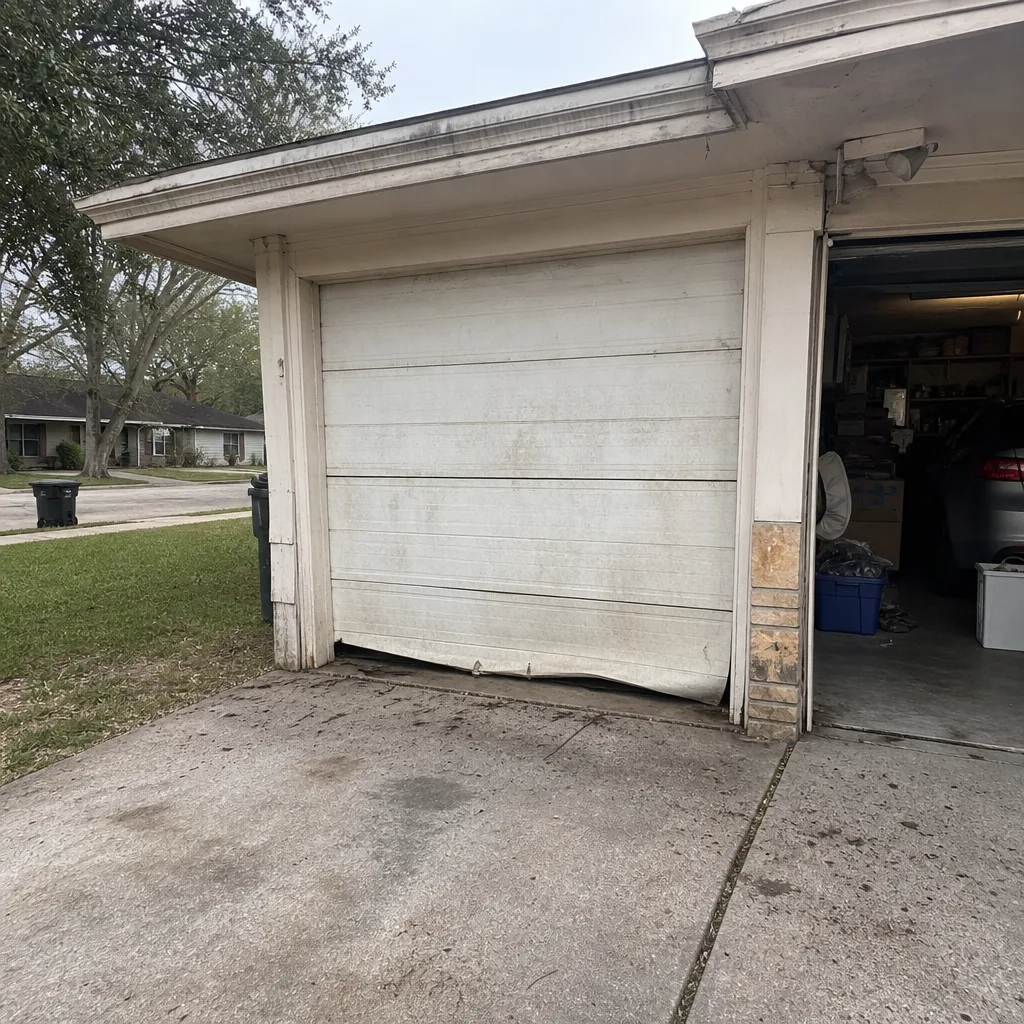 Before
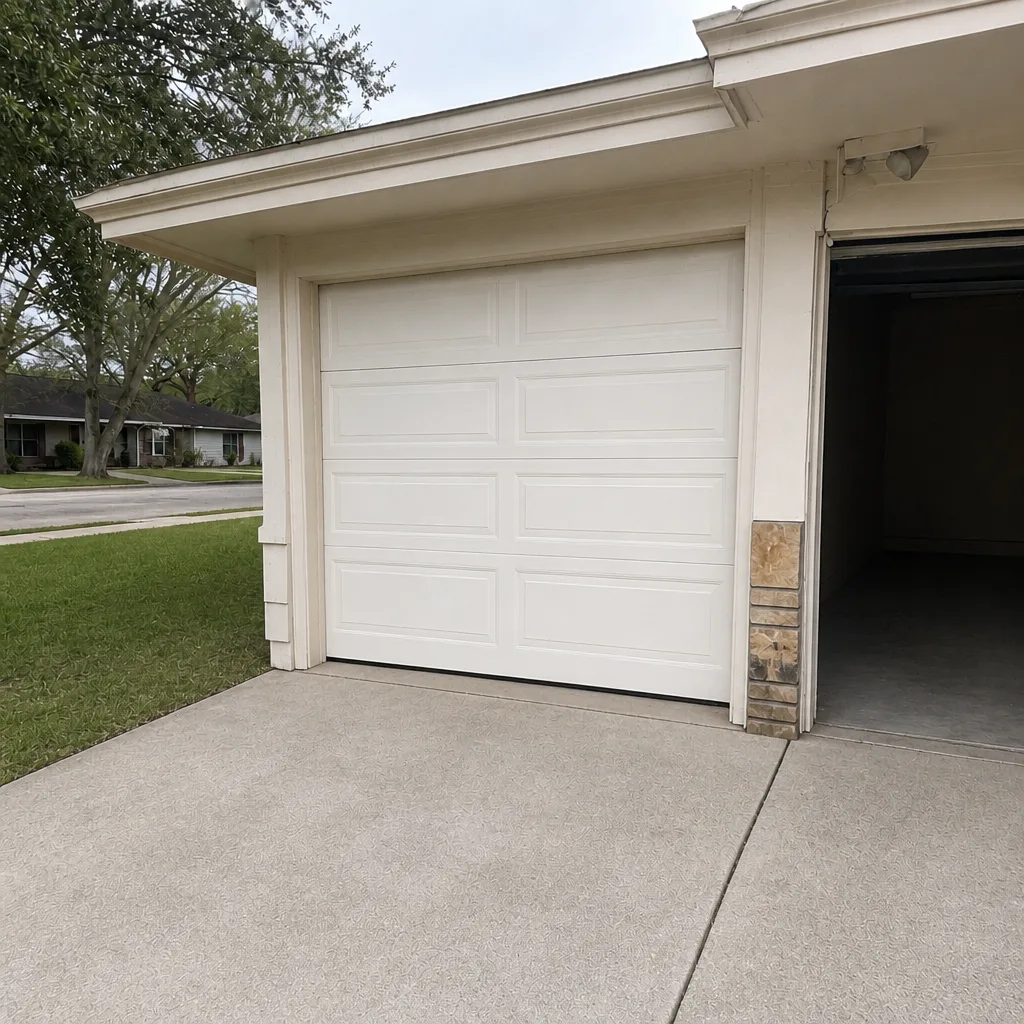 After
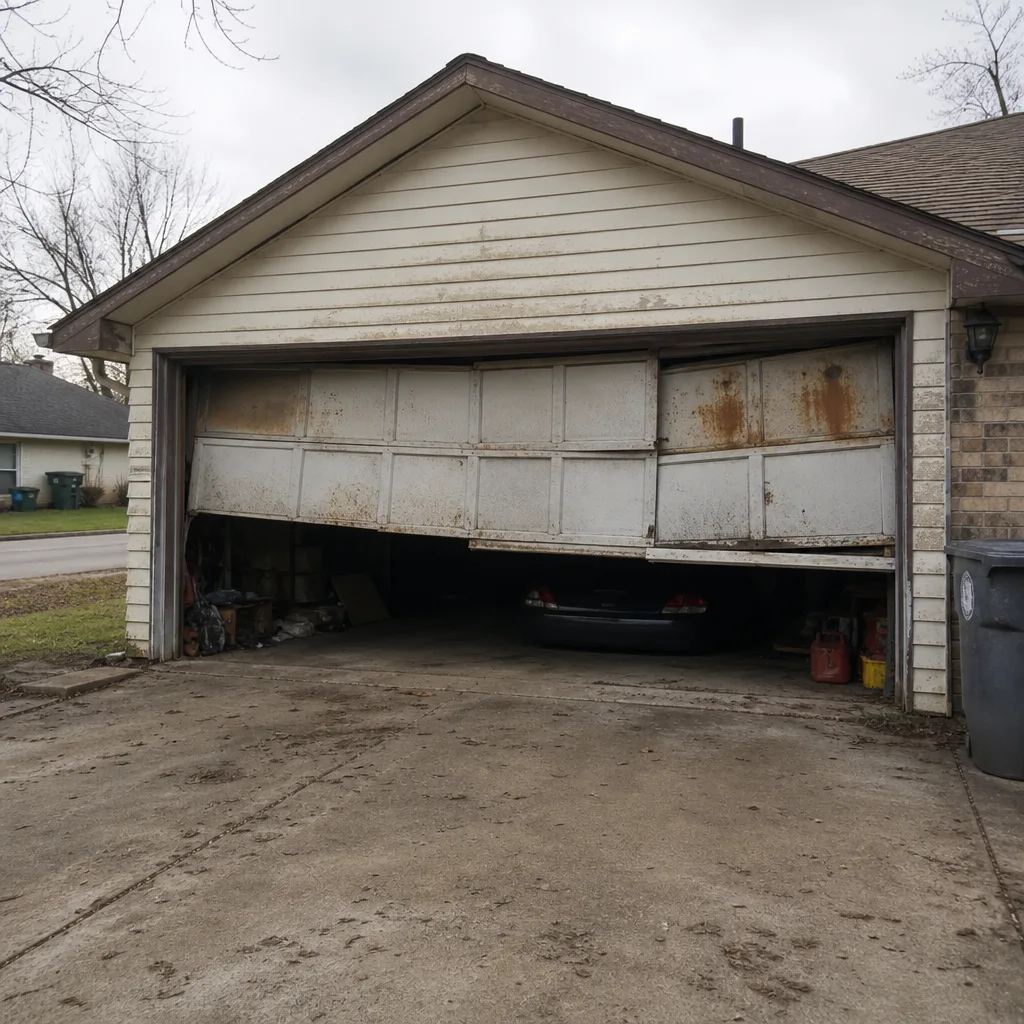 Before
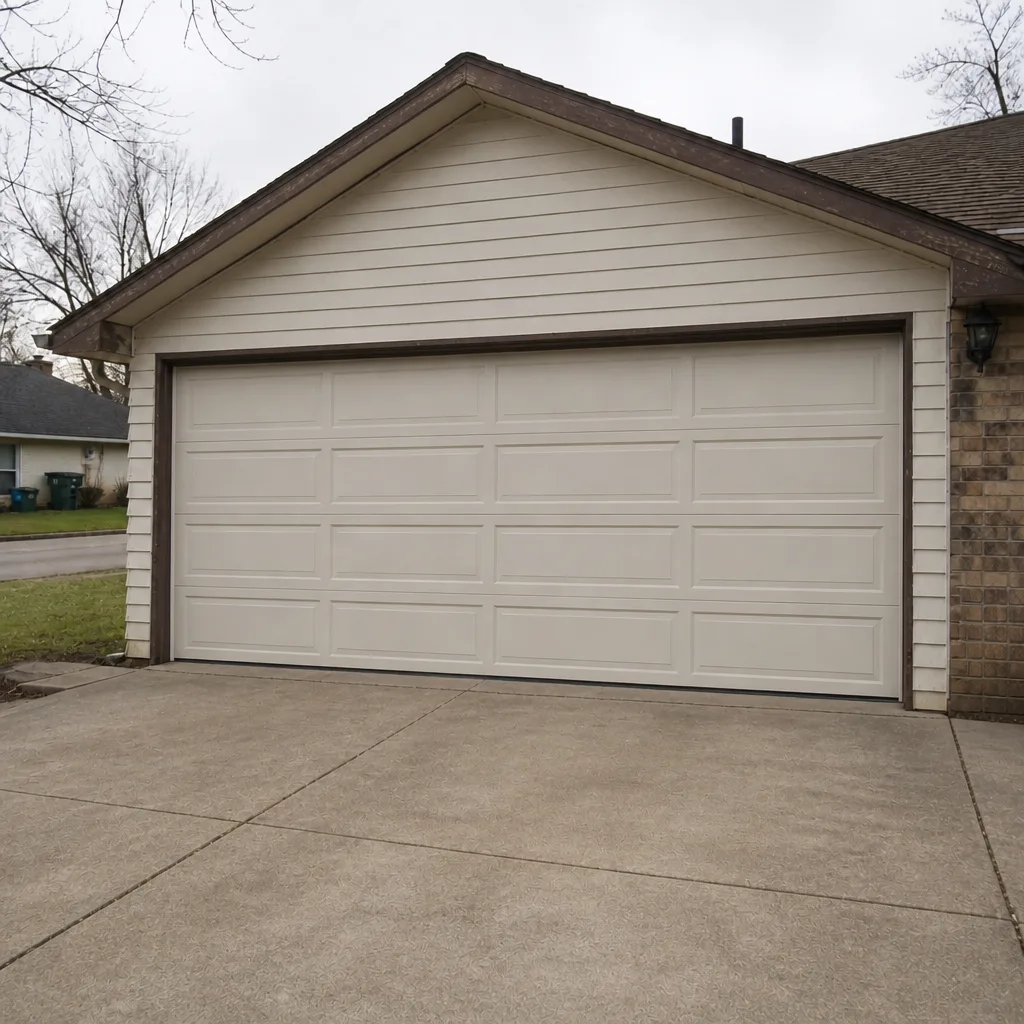 After
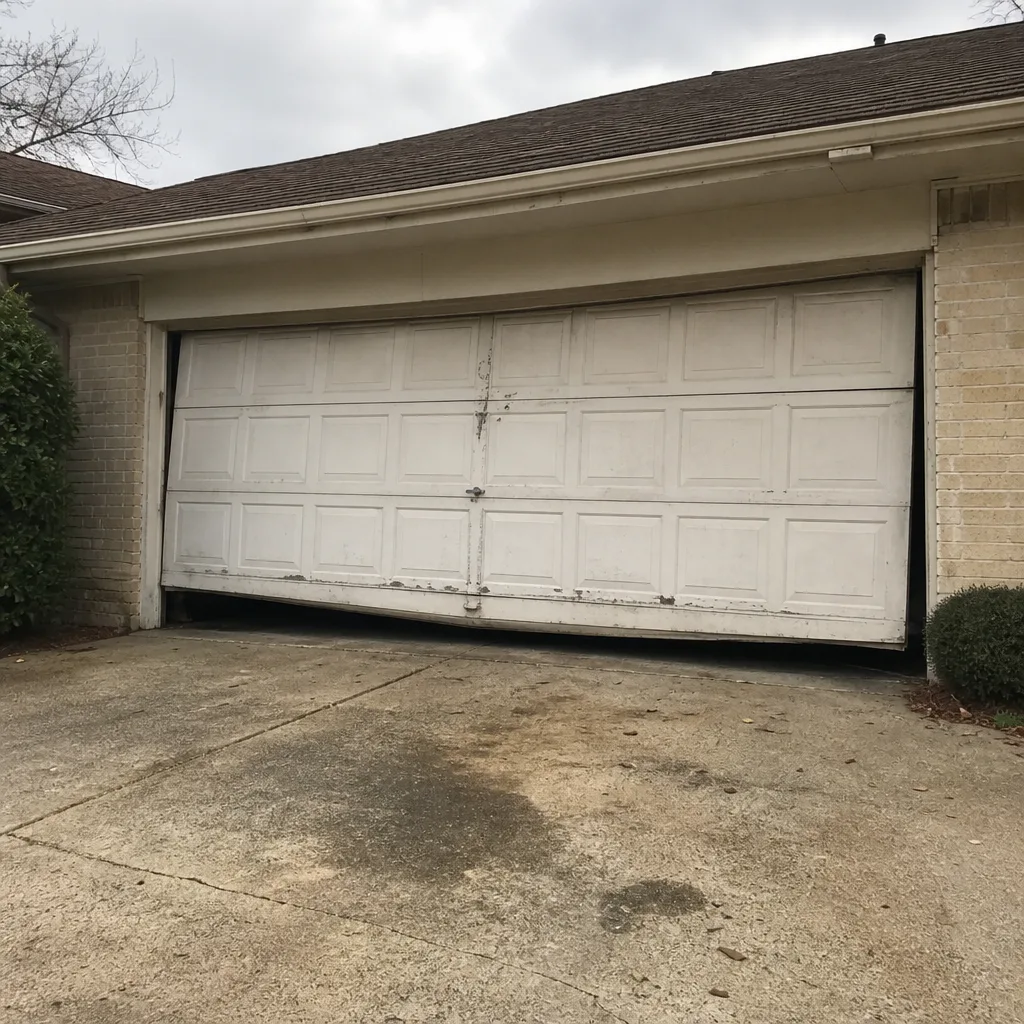 Before
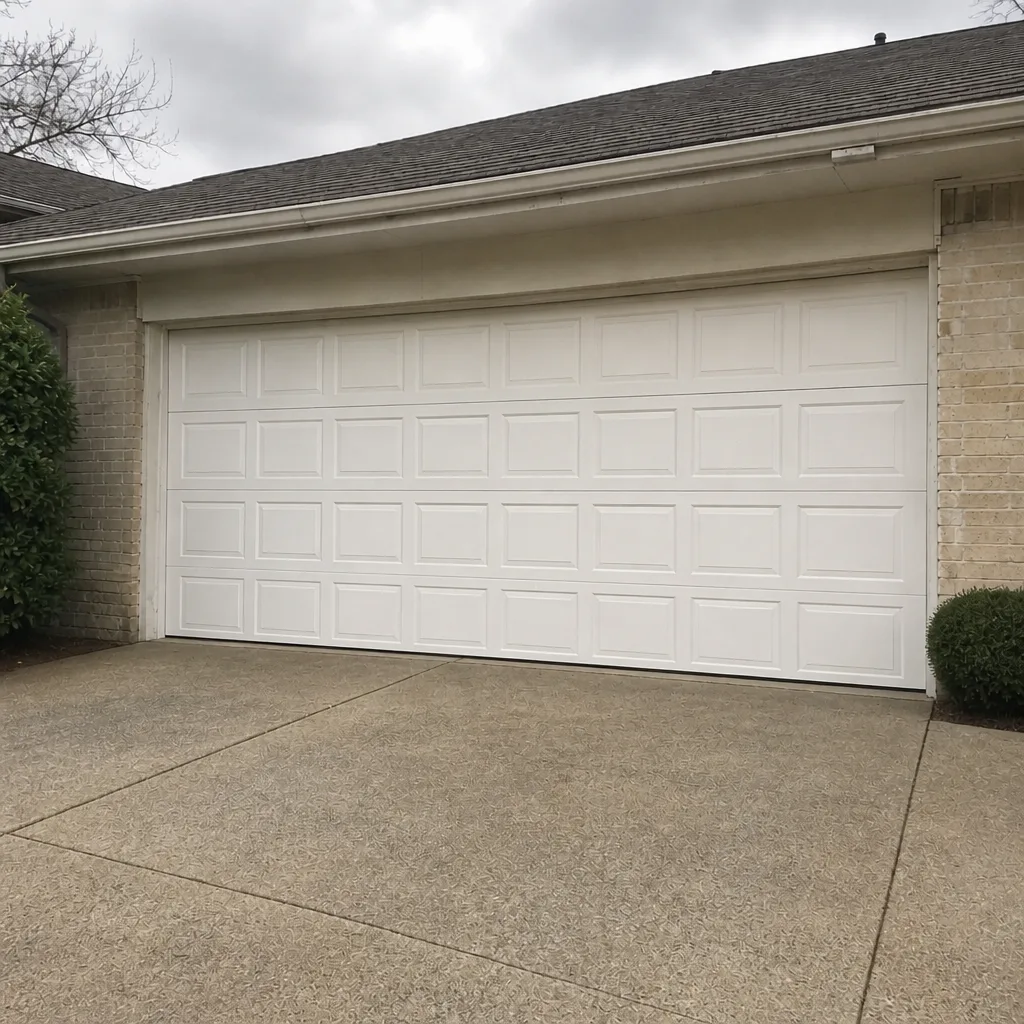 After
When to Call a Professional
Some garage door work belongs in your hands. Some doesn’t. Here’s how we draw the line.
Call a professional if you find a broken spring, if the door is off its track, if the door feels heavier than usual when you lift it by hand, if the auto-reverse or photo-eye sensor fails its test, if the opener throws a trouble code, if you find water staining on the inside jamb after a storm, or if the door has been stressed by wind and you’re not sure it’s safe. Those are the situations where a trained eye is worth more than a checklist, and where the wrong next move can turn a repair into a replacement.
Garage Door Repair Pasadena Pros offers free estimates in Pasadena, and our technicians have up to 9 years of experience working across the leading residential door and opener brands. If your door needs a look, call (855) 943-1327. We answer 24/7, with fast dispatch from 7am to 7pm, Sunday through Friday. Every price is quoted and agreed before any work starts, so you know what you’re paying before a tool comes out. For an overview of everything we handle, start with Garage Door Repair Pasadena Pros.
Frequently Asked Questions
Once a year is the baseline for most Pasadena homes, timed just before hurricane season so the hardware inspection lands in May. If your door gets heavy daily use, is a steel door with a lot of seams, or has shown early rust, twice a year – once in spring and once in fall – is a better fit for the Gulf Coast climate. Call (855) 943-1327 for a free estimate and we’ll tell you which schedule fits your door.
Yes: run the post-storm inspection sequence before you press the opener. Stand back and look at the panels, check the track at the floor, look for debris in the tracks, check the struts and brackets, and test the door by hand with the opener disengaged. If anything binds or catches, stop and call a technician; an off-track door is a same-day repair. Call (855) 943-1327 and we’ll get someone out.
Use a silicone-based or lithium-based lubricant rated for low temperatures, applied lightly to hinges, roller stems, bearings, and the torsion bar. Don’t put it on the tracks. The reason is that Pasadena’s occasional hard freezes get down to the mid-20s, and a heavy grease thickens at that temperature, drags on the rollers, and makes the opener work harder than it should. Call (855) 943-1327 if your door is running stiff on cold mornings and you’re not sure why.
Look for a chalky, orange-brown film at the bottom inside edge of the door and along the horizontal seams between panels. That film is early-stage rust, and it’s the stage where cleaning and treating will actually stop it. Check hinges too; if they’re showing orange staining, moisture is getting into the door’s joints and the seals above them need inspection. If the metal is beginning to pit at the bottom edge, call (855) 943-1327 for an assessment – that’s past the easy-fix stage.
Pasadena garages get very hot in summer, and the opener’s circuit board sits right up in that heat. Heat stresses the small capacitors and the motor windings, which is why opener failures in this area cluster from July through September. Symptoms show up first as short travel, flickering lights, reduced remote range, and labored motor sound. If you’re seeing any of those, a brand-specific diagnostic on your LiftMaster, Chamberlain, Genie, or Craftsman opener will find the component before the heat finishes it. Call (855) 943-1327.
Yes, and the fall check is a different job. Spring is about hardware and wind-load, fall is about moisture and seals. Pasadena’s humid stretch runs through October and November, and that’s when bottom seals flatten, jamb seals separate, and early-stage rust appears at panel seams. A seal that looks fine in April can look tired by October. Call (855) 943-1327 if you find gaps, staining, or a bottom seal that’s lost its spring; it’s a straightforward replacement and a lot cheaper than a rusted panel.
The Bottom Line
Pasadena garage door care runs on a Gulf Coast calendar, not a four-season one. May is the pre-hurricane hardware inspection: track bolts, struts, emergency release, and the safety reverse test. Summer is heat management for the opener, since the garage interior can run well above 100°F and the circuit board feels it. Fall is the seal and rust protocol as humidity settles in. Winter is lubricant and balance, with a low-temperature-rated product that doesn’t thicken at 25°F. After any named storm, run the inspection sequence before you touch the opener. And anything involving springs belongs with a trained technician. Call (855) 943-1327 for a free estimate.
Written by the team at Garage Door Repair Pasadena Pros.