
Last updated November 21, 2026
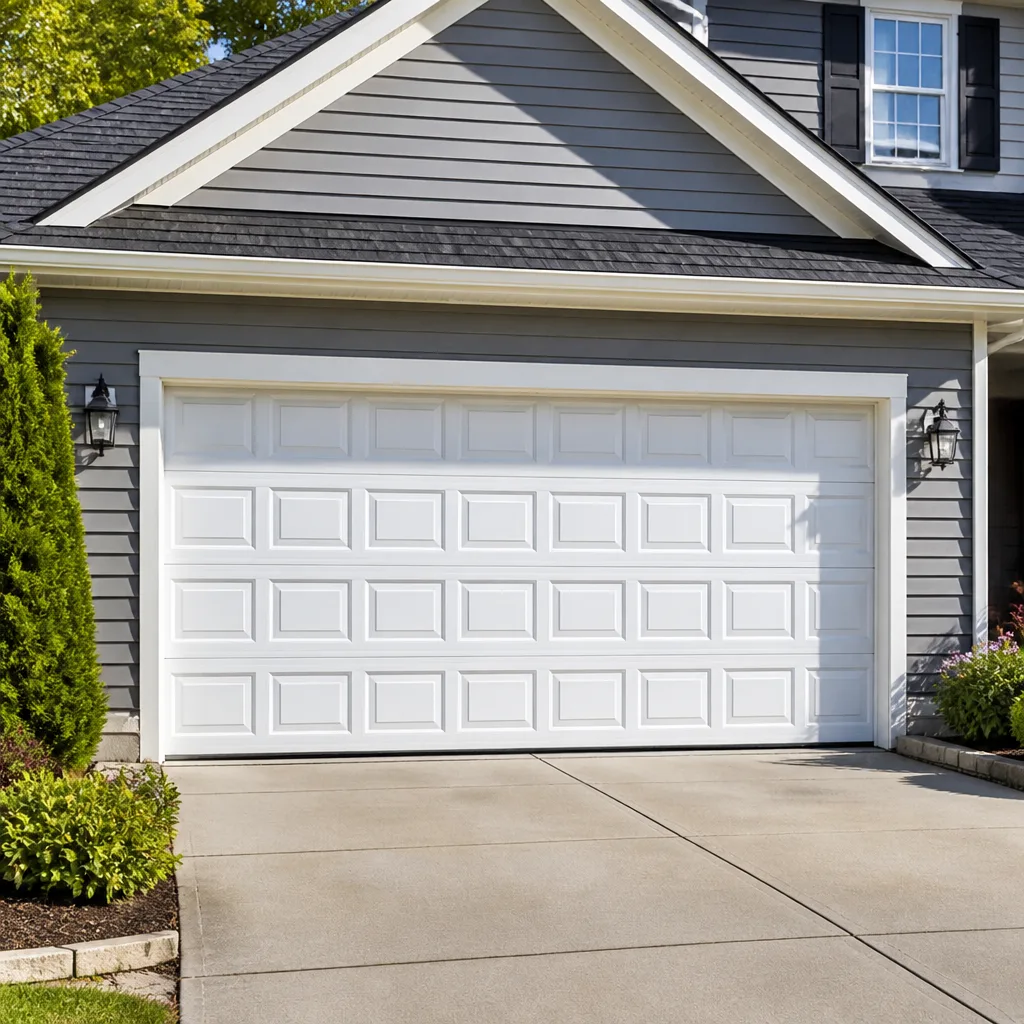 Raised-panel steel
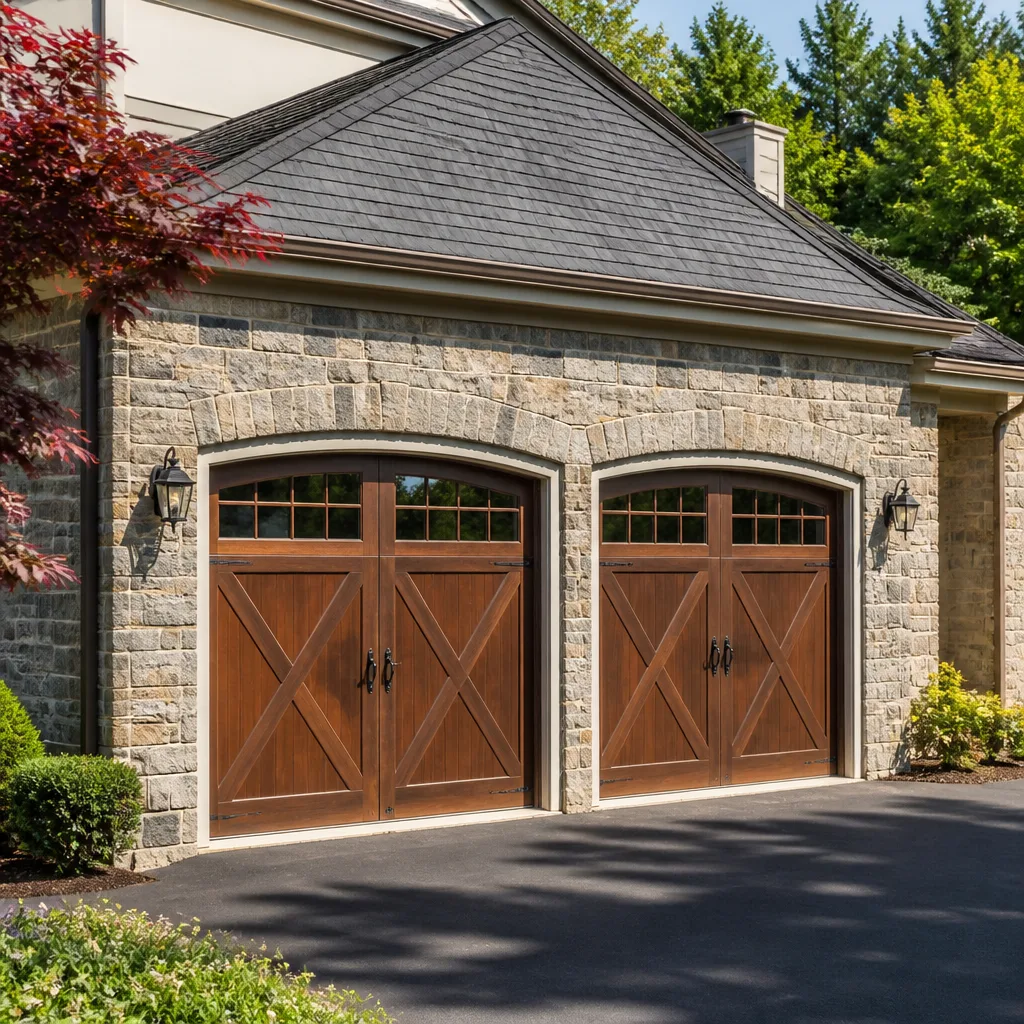 Carriage house
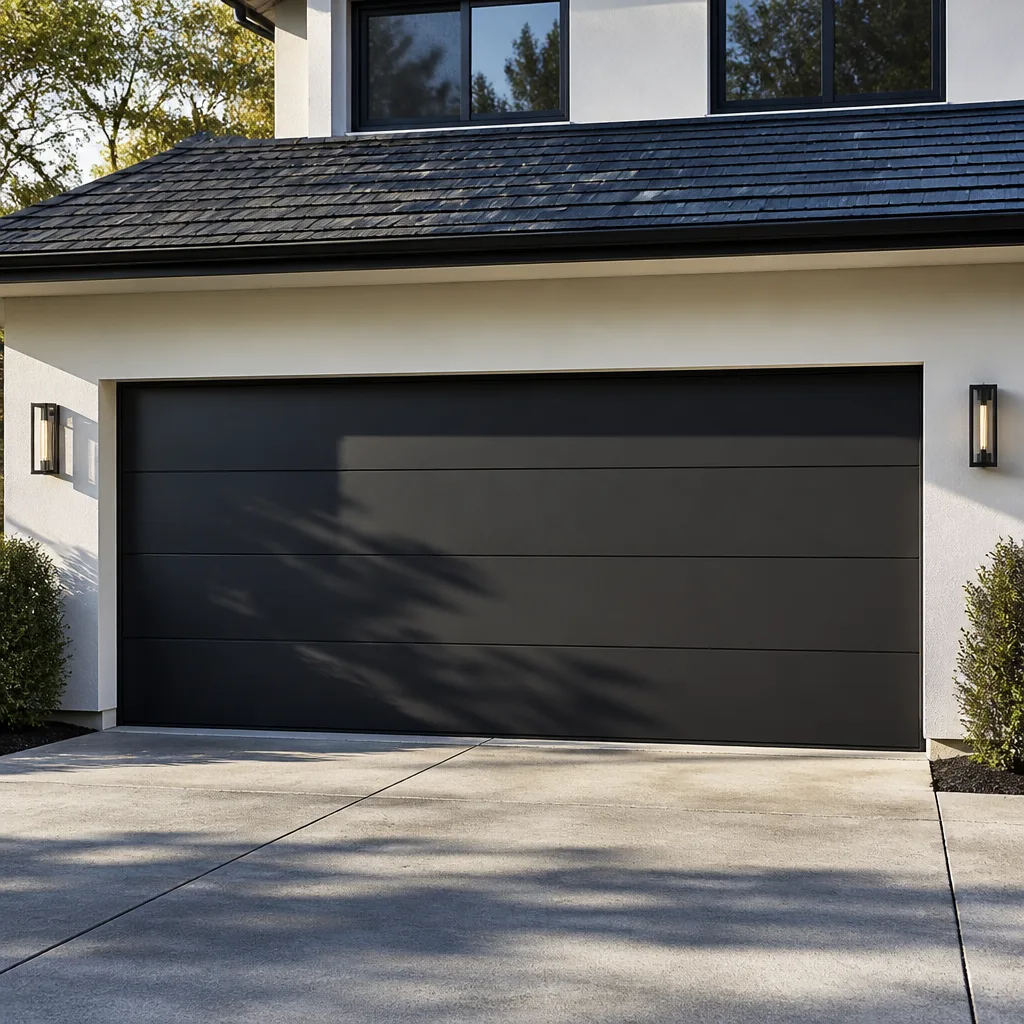 Modern flush
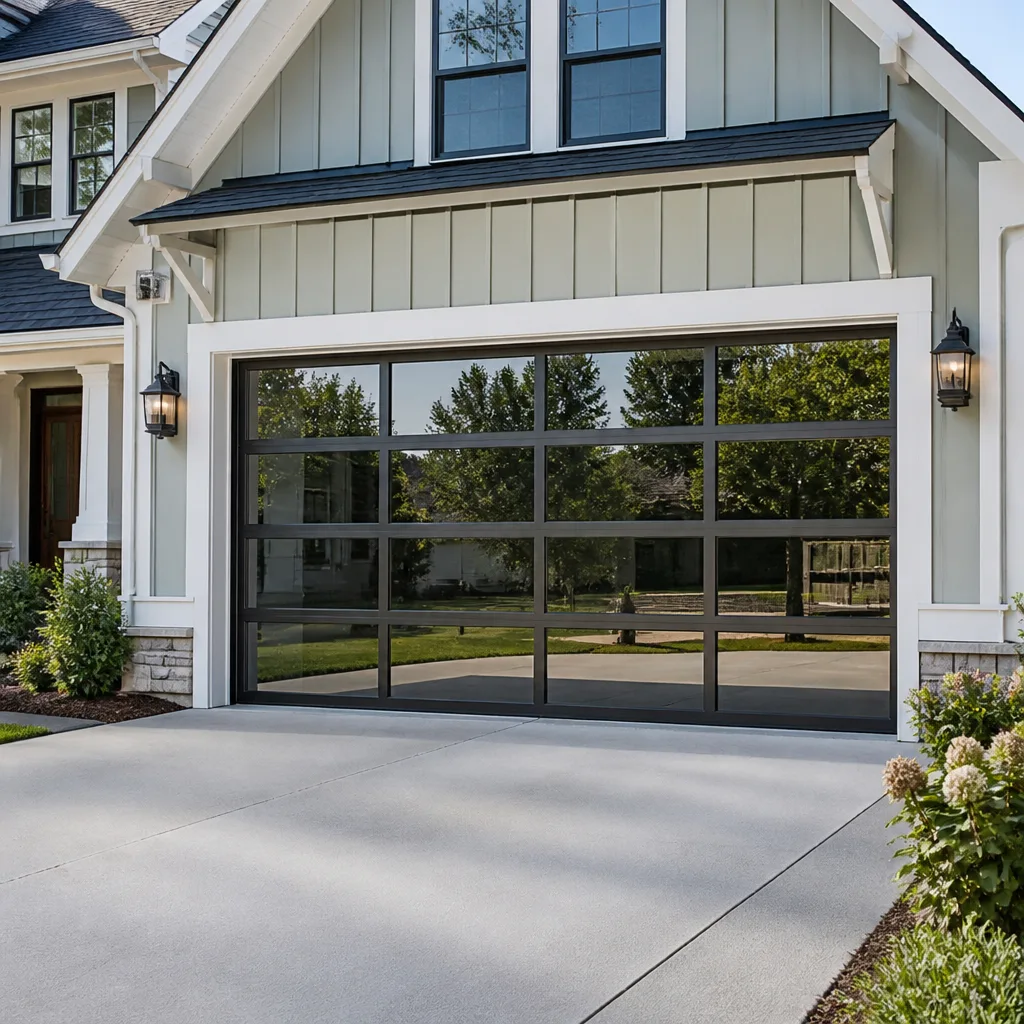 Full-view glass
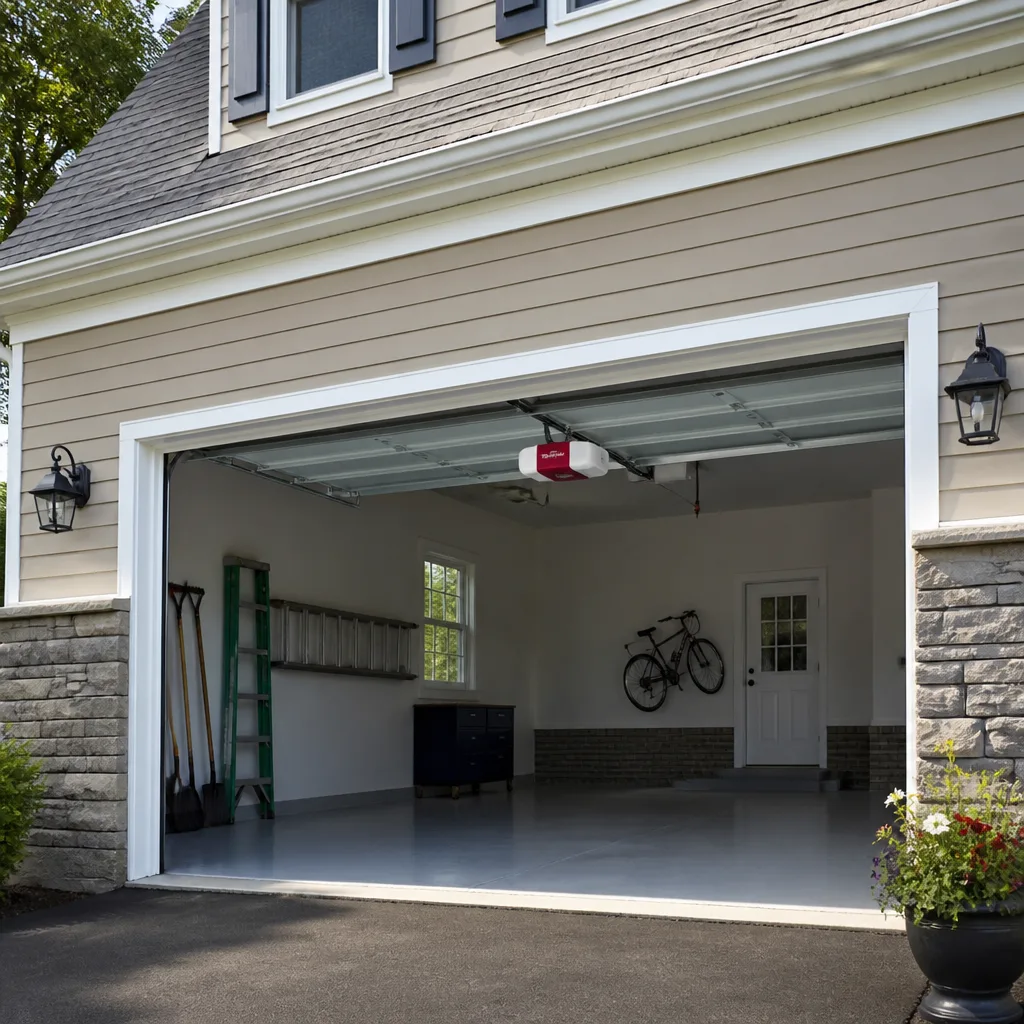 LiftMaster openers
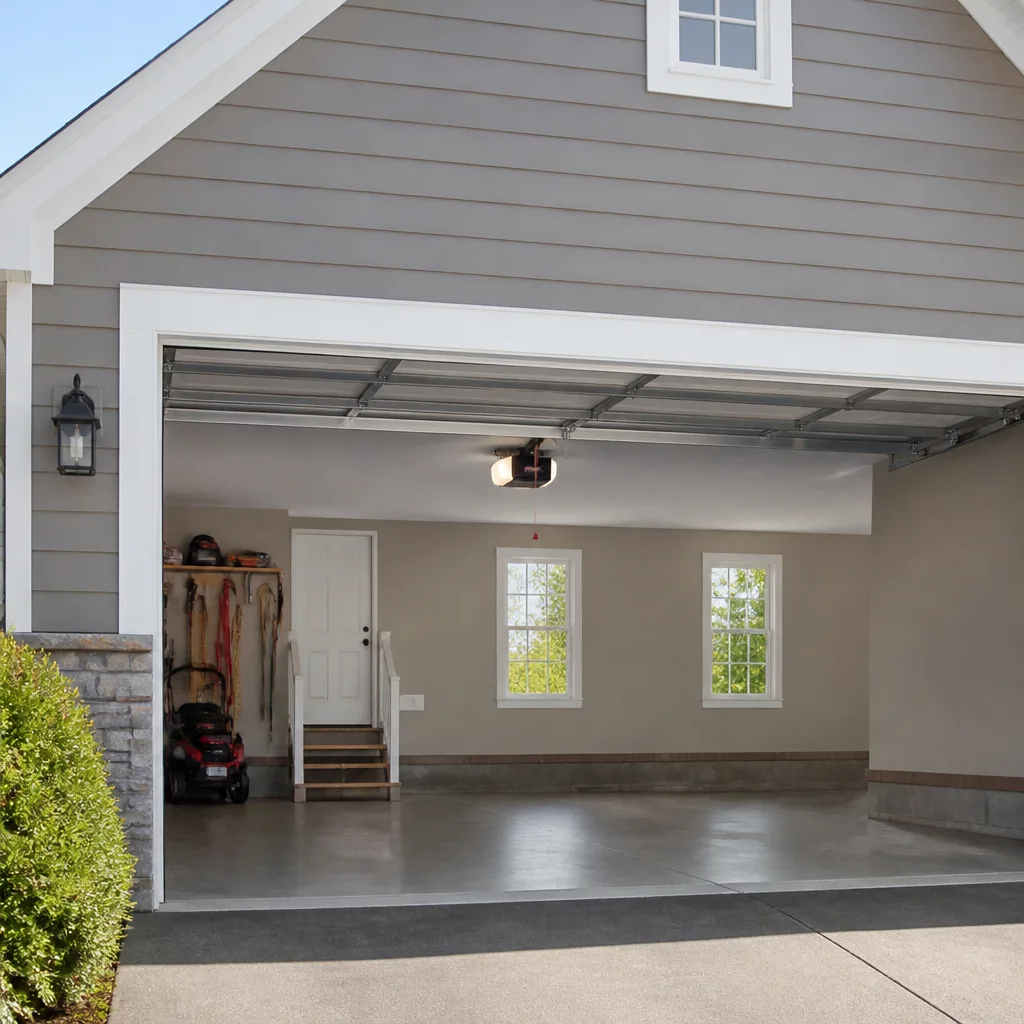 Chamberlain openers
Full 25-point door and opener safety check with every visit - springs, cables, rollers, tracks, and your LiftMaster or Chamberlain opener included
You get a price before we start. It does not change when the pro arrives.
Get your free estimateChoosing the Right Garage Door Brand: A Buyer’s Guide for Pasadena
Most garage door buying guides tell you to pick a color, pick a window pattern, and pick whatever the contractor has in stock. That advice is fine for a showroom and useless for a driveway in Pasadena, Texas. The details that actually decide how long a door lasts here are buried in the spec sheet: how the steel is coated, whether the door carries a certified wind-load rating, and whether a technician can get a replacement section or spring without a three-week wait. Two doors that look identical from the curb can be separated by a decade of service life on those three points alone. This guide shows you how to read the fine print, compare the major residential brands on corrosion and wind performance, and align a new door with the opener you already own.
Quick Answer
The right garage door brand for a Pasadena home is the one that pairs a corrosion-resistant steel finish (Galvalume or a comparable coated skin, not bare standard polyester paint) with a wind-load rating certified for this area and a product line whose parts are stocked in the Houston metro. Among residential brands, Clopay, Wayne Dalton, Amarr, and Raynor each offer door lines that satisfy those three criteria, but only within specific model families, not across their whole catalog. Brand matters less than which product line inside that brand you choose.
Styles & brands we work with
- Raised-panel steel
- Carriage house
- Modern flush
- Full-view glass
- LiftMaster openers
- Chamberlain openers
Table of Contents
- Why Brand Choice Matters More in Pasadena Than in Most Markets
- Corrosion Resistance: What the Finish Warranty Actually Tells You
- Wind-Load Certification and Where It Lives in Each Brand’s Catalog
- Parts Availability in the Pasadena and Houston Metro
- Matching Your New Door to LiftMaster, Chamberlain, Genie, or Craftsman
- How to Decode a Manufacturer’s Spec Sheet
- Head-to-Head: Clopay, Wayne Dalton, Amarr, and Raynor
- What Changes Between Pasadena Neighborhoods
Why Brand Choice Matters More in Pasadena Than in Most Markets
Pasadena sits close enough to the coast that humid, salt-bearing air moves through regularly, and the region takes the kind of wind that comes with Gulf weather systems. That combination is hard on garage doors. A steel door with a standard polyester paint finish has an average corrosion lifespan of roughly 8 to 12 years in this kind of environment. The same door built on a Galvalume-coated steel skin routinely lasts 20 or more. That gap isn’t about paint color or panel style. It’s a difference in the base metal coating, and it is decided at the factory by brand and product line.
Wind is the second factor. Garage doors are the largest opening on most homes, and they take wind pressure directly. A door that carries a certified wind-load rating has been tested and labeled to a specific design pressure. One that doesn’t is a guess. In a metro where insurers and inspectors increasingly ask questions, that label matters.
The third factor is the one homeowners never think about until something breaks: parts. When a spring snaps or a bottom section takes a hit, the repair timeline depends on whether a replacement is sitting in a Houston-area warehouse or on a truck from three states away. A brand with thin local distribution can turn a two-hour repair into a two-week wait, and a garage door that won’t close is an open invitation. If you’re already dealing with a failure rather than shopping, our Garage Door Repair Pasadena Pros page is the fastest place to start.
Pasadena adds one more wrinkle: the housing stock is a mix. Older homes near the original downtown grid often have single-car doors from an era when wood and early steel panels were standard. Newer construction toward the Beltway and the Deer Park corridor tends toward double-car insulated steel. Those two doors have different brand logic, and a guide that treats them the same is not useful here.
Corrosion Resistance: What the Finish Warranty Actually Tells You
The finish warranty on a garage door is one of the few honest signals in the industry, because it costs the manufacturer real money to stand behind it. A brand offering a short finish warranty is telling you something about its coating. A brand offering a long one has built its process around that promise, usually with a galvanized or Galvalume base under a baked-on topcoat.
What to compare
- Base steel coating. Galvalume (an aluminum-zinc alloy) outperforms standard galvanized in humid, salt-influenced air. Ask which coating the specific model uses, not the brand as a whole.
- Topcoat type. A baked-on polyester is the baseline. Two-coat and three-coat systems with a primer layer last noticeably longer near the coast.
- Finish warranty length. This is your shortcut. A manufacturer who warrants the finish for many years is confident in the coating system. Read whether the warranty covers “rust-through” only or also peeling and cracking. Rust-through language is much weaker than it sounds.
- Edge and bottom seal treatment. The cut edges and the bottom of the door are where corrosion starts. Look for treated or sealed edges in the spec sheet.
- Hardware finish. Hinges, rollers, and track can fail from corrosion well before the panels do. Ask whether the hardware is galvanized or coated.
How the major brands stack up on coating
Clopay’s higher-end steel lines use a multi-layer coating system with a baked-on finish, and their finish warranties separate by product tier, which makes the tiering easy to read. Wayne Dalton offers models with similar multi-coat protection but spreads that protection unevenly across the catalog, so the model number matters more than the brand name. Amarr builds much of its residential catalog around coated steel with a strong corrosion story, and Raynor’s commercial-derived construction carries over to its residential lines in a way that shows in the hardware. The pattern across all four: the entry-level model in any catalog is not the coastal model. The second and third tiers are.
In our experience inspecting doors across Pasadena, the failure pattern is consistent. Doors that fail early almost always fail at the bottom edge or around the hardware penetrations, not in the middle of a panel. That’s where the coating system and the hardware treatment do their work, and it’s why asking “what’s the finish warranty” in one sentence gets you further than reading a style brochure.
Wind-Load Certification and Where It Lives in Each Brand’s Catalog
Wind-load certification is a tested design pressure rating stamped on a specific door model, size, and reinforcement package. It is not a brand-wide claim. The same manufacturer can offer one door rated for high wind and another that isn’t, in the same catalog, and the difference often comes down to gauge, strut reinforcement, and track anchoring.
Step-by-step: verifying a wind rating before you buy
- Ask the installer for the model number, not the brand name.
- Request the manufacturer’s wind-load documentation for that exact model and size. It usually comes as a labeled drawing or a design-pressure table.
- Check whether the rating applies to your door width and height. A rating for a 9-foot door doesn’t carry over to a 16-foot door.
- Confirm the reinforcement package is part of the order: struts, heavier track, and anchored jamb brackets are often listed as options, not standard.
- Ask your city’s building department whether a permit and wind-load documentation are required for your installation. Permit rules vary, and the department is the authority, not the sales sheet.
Where the certified lines sit in each catalog: Clopay positions its wind-rated models within its premium steel series and lists the design pressures by size in the technical documents. Wayne Dalton offers wind-load packages on several residential models but often sells them as an add-on reinforcement option, which means you have to ask for it by name. Amarr publishes wind-load tables that map models to sizes and pressures in a straightforward format, which makes verification easier. Raynor’s wind-rated residential doors are typically built from its commercial framing logic and carry the documentation to match.
For Pasadena homeowners, the practical takeaway is this: a brand can’t be called “wind-rated.” A model can. If a sales rep tells you a brand is rated for wind, ask for the model number and the pressure table, and watch what happens next. A technician who knows the product will produce it. A generalist contractor will change the subject.
Parts Availability in the Pasadena and Houston Metro
Every garage door eventually needs a part. A roller wears out, a bottom section takes a hit from a lawn mower, a spring fails. What determines whether that’s an afternoon or a fortnight is the local distribution network sitting behind the brand.
What actually determines repair speed
- Warehouse presence in the Houston metro. Brands with a distributor in the metro can often supply common sections and springs quickly.
- Section interchangeability. Some brands keep panel profiles stable across model years, which means a replacement section fits an older door. Others change profiles, and an older door becomes a custom order.
- Spring standardization. Torsion and extension springs are sized by wire gauge, inside diameter, and length. A brand that uses standard spring sizes is easier to service years later than one that doesn’t.
- Opener compatibility. Door and opener brands that share common mounting and safety-reverse conventions are easier to pair and easier to repair.
Clopay, Wayne Dalton, and Amarr all have distribution reach into the Houston metro that supports sourcing replacement sections without excessive wait. Raynor is also serviceable here, though the residential parts channel is narrower than the other three and some components take longer to source. That doesn’t make Raynor a bad door. It makes it a door you should buy with a conversation about parts up front.
Springs deserve a separate mention because they’re the most common failure and the most dangerous component on the door. Torsion and extension springs are under high tension and require specialized winding bars and training to replace safely. Springs are not a DIY fix. A technician sourcing the correct spring for your brand and door weight is doing more than swapping a part; they’re matching the door’s balance to a spec. That’s part of what garage door spring repair involves, and it’s why the brand of your door matters when the spring lets go.
Matching Your New Door to LiftMaster, Chamberlain, Genie, or Craftsman
Homes across Pasadena carry a wide spread of opener brands, and the good news is that door-opener compatibility is mostly a standards question, not a brand-loyalty question. LiftMaster, Chamberlain, Genie, and Craftsman openers all work with doors from Clopay, Amarr, Wayne Dalton, and Raynor when the door weight is matched to the opener’s lift capacity and the safety-reverse system is installed properly. What matters is alignment on three things.
Numbered: three compatibility checks
- Lift capacity. A heavy insulated double door needs a stronger opener than a single door with a light frame. Check the opener’s rated lift before you buy a heavier door.
- Safety-reverse function. Every modern opener uses a photo-eye system at the floor and a pressure-based reverse. The door’s bottom seal and panel weight affect how cleanly that reverse triggers.
- Smart platform. If you’re keeping a LiftMaster or Chamberlain opener with built-in Wi-Fi or MyQ compatibility, the door weight and balance become more important because a smart opener logs obstruction events. A poorly balanced door generates false alerts.
In practice, the pairing question that trips people up is Genie and Craftsman, both of which are common on older Pasadena installs and often paired with doors that have aged. If you’re replacing the door but keeping the opener, tell your installer the opener model at the estimate stage. If the opener is also aged, this is the moment to replace both, and our garage door opener repair page covers when a repair makes sense versus when a replacement does. Our technicians have up to 9 years of experience across LiftMaster, Chamberlain, Genie, and Craftsman systems, which means the diagnostic starts from a known platform rather than a guess.
One more detail: springs are calibrated to the door weight, and if you lighten the door by choosing a thinner-gauge model, the existing opener may need adjustment or the springs need to be sized to the new weight. Both are routine, but both should be in the written estimate before anyone starts work.
How to Decode a Manufacturer’s Spec Sheet
Manufacturer spec sheets are written to sell doors, not to be read. But four numbers do most of the work, and once you know where they are, you can spot the difference between a coastal door and a stock door in about ten minutes.
The four numbers that matter
- Wind-load rating. Look for a design pressure number tied to your model and size. If the sheet only says “wind-rated available,” there’s a separate document, and you should ask for it.
- Steel gauge. Lower numbers mean thicker steel. A 24-gauge door is heavier and more dent-resistant than a 27-gauge door. For a coastal environment, thicker is more forgiving.
- Insulation R-value. R-value measures how well the door resists heat transfer. Pasadena summers put real load on an attached garage; a door facing west gets hot enough to matter. R-values in the low single digits are typical on uninsulated steel, and higher-end insulated doors climb well above that. Read whether the number is for the whole door or the center panel only.
- Finish warranty term and scope. Separate the finish warranty from the structural warranty. A long structural warranty with a short finish warranty is a signal about the coating, not about the frame.
The gap between what a sales sheet implies and what the spec sheet lists is usually in the fine print. A door advertised as “insulated” may have a polystyrene core at the low end and a polyurethane core at the high end, with a large R-value difference between them. A door advertised as “wind-load available” may require a reinforcement package that’s priced separately. Ask for the model-specific technical document and read the section that names your size. If a manufacturer won’t provide it, that tells you something too.
One test we recommend to Pasadena buyers: ask the installer to walk the spec sheet with you and mark the wind rating, gauge, R-value, and finish warranty term. A technician who services multiple brands can do that in a few minutes and will tell you which of those numbers actually matters for your house, given which way the door faces and how much of the day it’s in sun.
See the difference
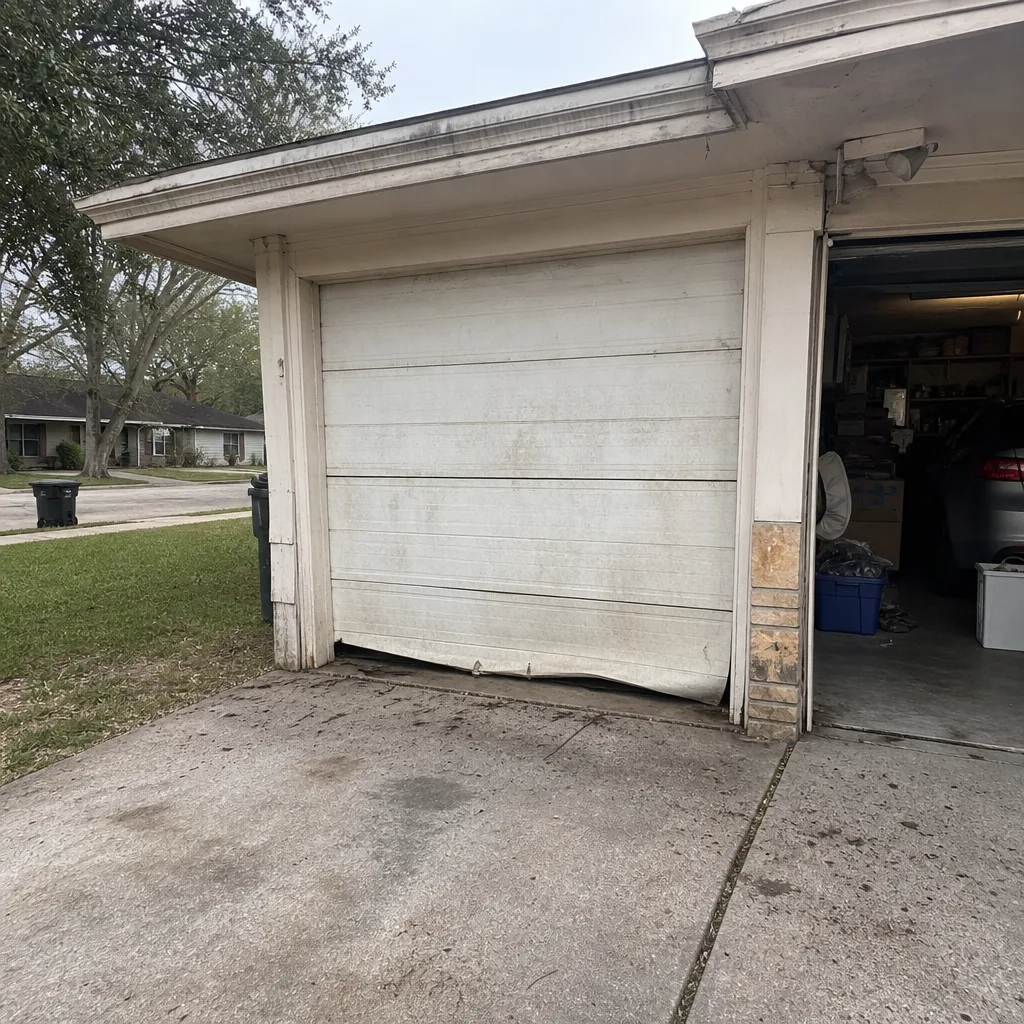 Before
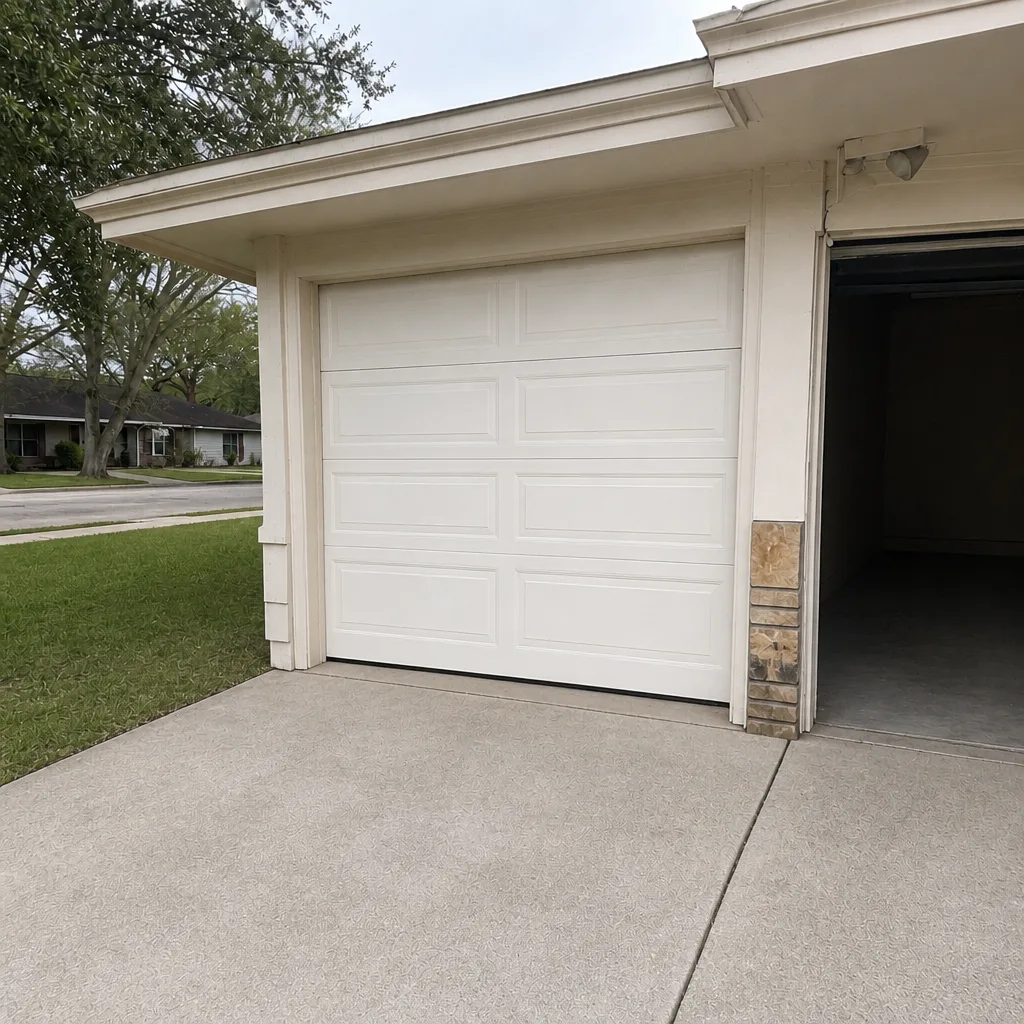 After
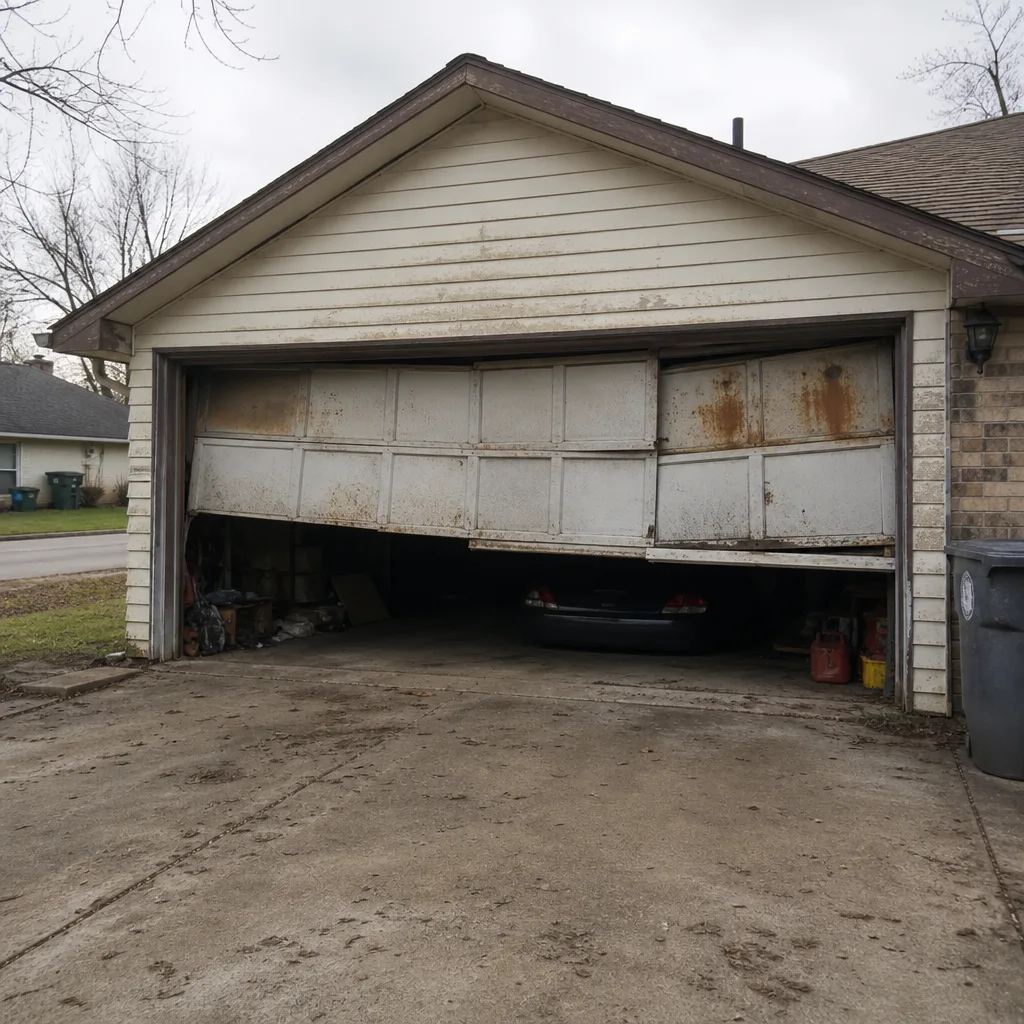 Before
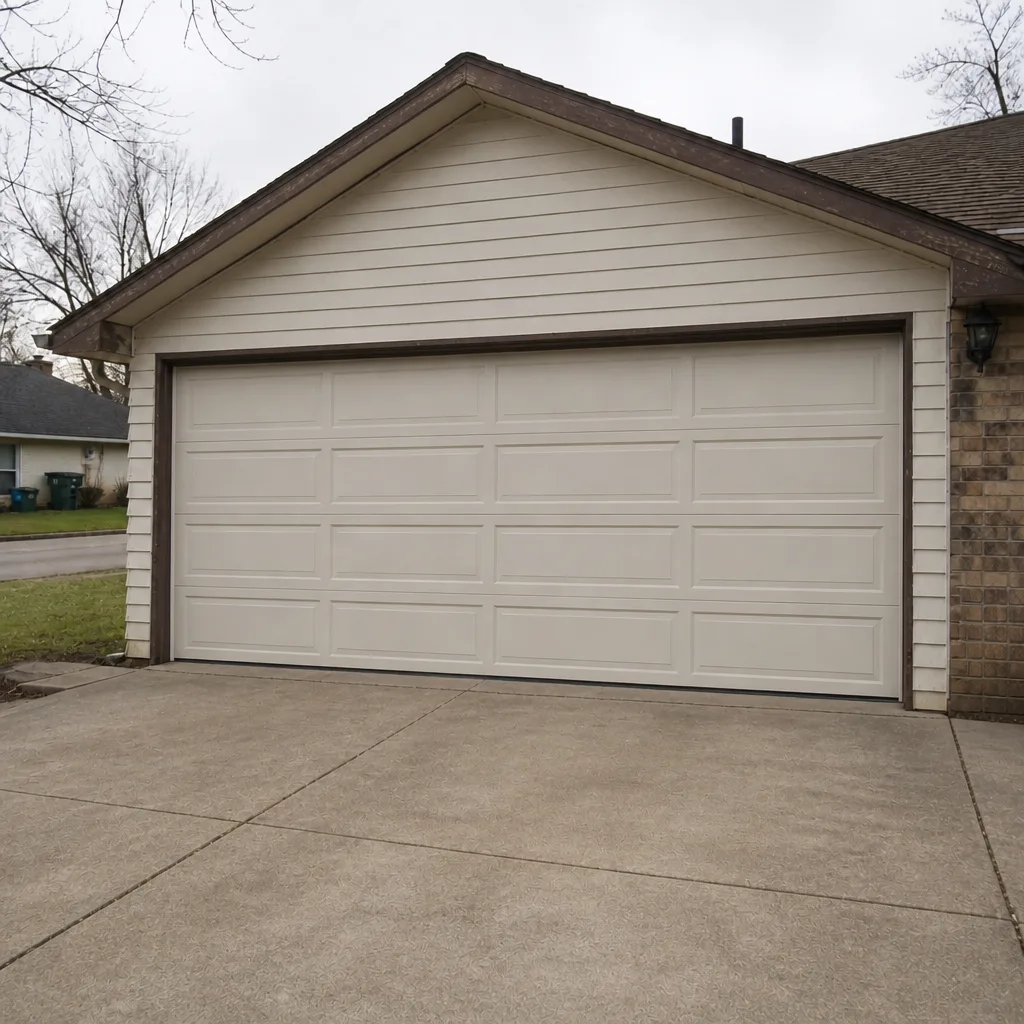 After
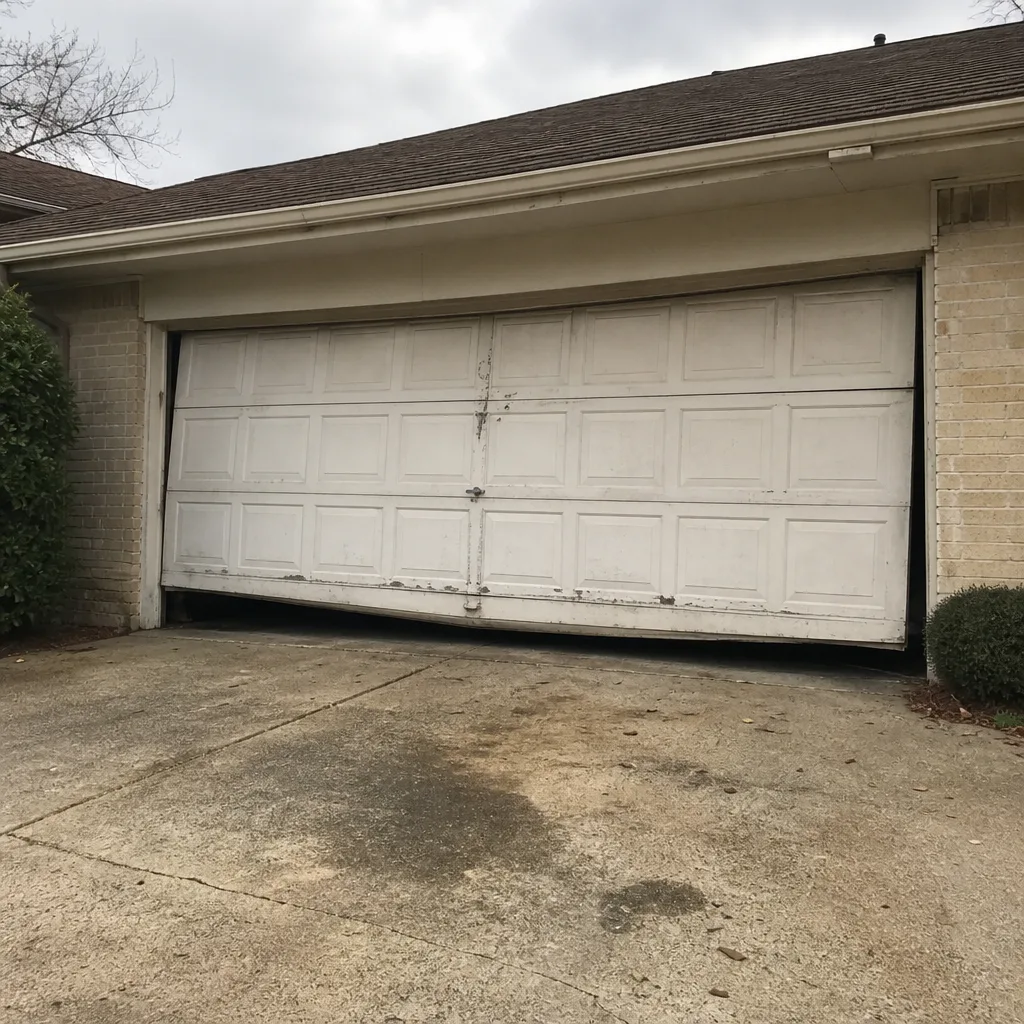 Before
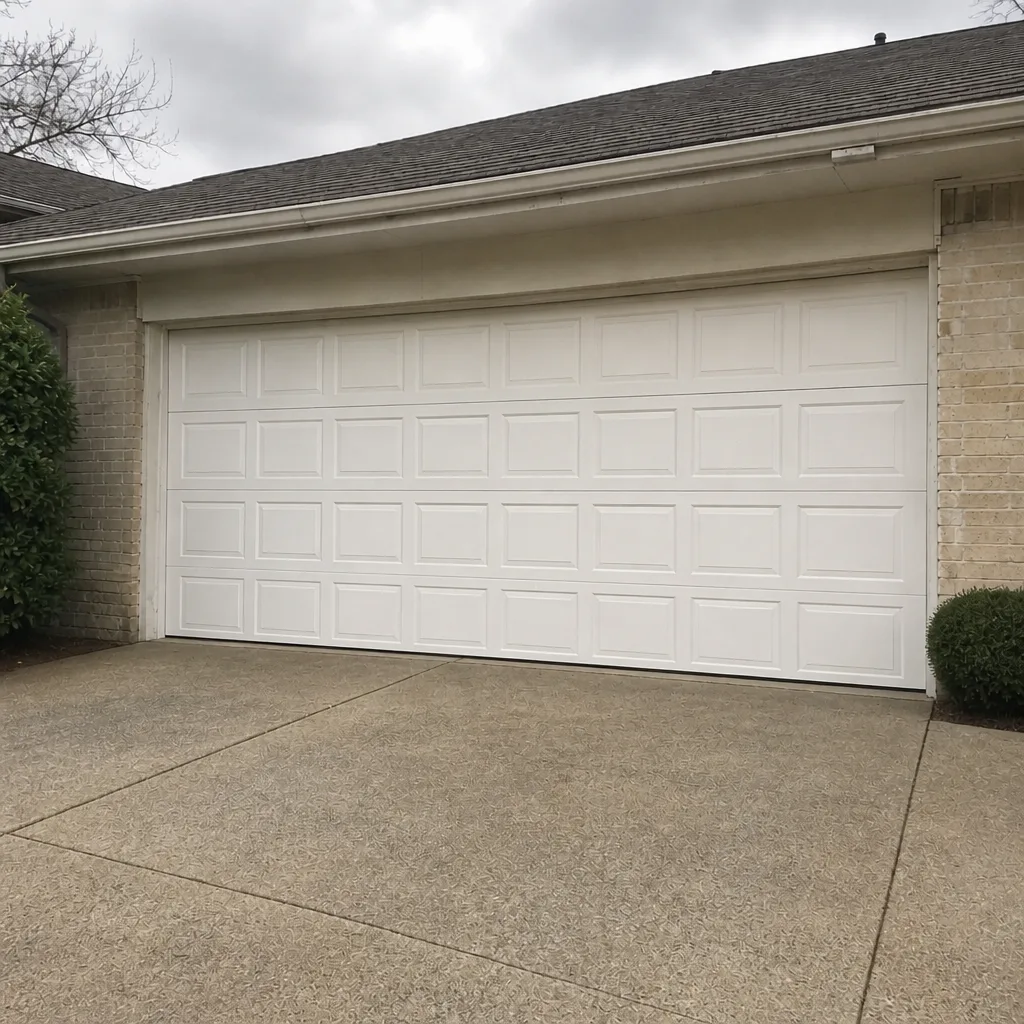 After
Head-to-Head: Clopay, Wayne Dalton, Amarr, and Raynor
These four brands dominate residential garage doors across Pasadena, and each has a legitimate case. The comparison below is about where each one fits, not about crowning a winner, because the right pick depends on your house, your exposure, and how long you plan to stay.
Clopay
Clopay’s strength is the clear tiering of its catalog. The coating system, insulation core, and wind-load packages step up predictably from entry to premium, and the finish warranties separate by tier, so you can see exactly what you’re paying for. Wind-rated models sit in the upper steel series with published design pressures by size. For a Pasadena homeowner who wants to compare products on paper and understand the upgrade path, Clopay makes that easy. The catch is that the entry-level models are not built for coastal air, so the brand name alone isn’t enough.
Wayne Dalton
Wayne Dalton offers a broad catalog and strong distribution into the Houston metro, which helps on parts. Its better steel models carry multi-coat finish protection, and wind-load reinforcement is available across several models as an option. The trade-off is that the reinforcement is often an add-on rather than standard, so the correct door is a function of how the order is specified. If you go with Wayne Dalton, ask for the wind-load package in writing and confirm it’s on the order.
Amarr
Amarr builds its residential steel around coated steel construction and publishes wind-load tables that map models to sizes and pressures clearly. That transparency is a real advantage on a coastal lot where you want to verify the rating rather than trust it. The product line covers single and double doors with a solid insulation story on the upper tiers. For a Pasadena home in a newer subdivision where wind documentation will be requested, Amarr is a straightforward choice.
Raynor
Raynor’s residential doors borrow commercial framing logic, and the hardware tends to feel heavier. Wind-rated models carry documentation to match. The consideration is parts: the residential channel in the Houston metro is narrower than Clopay, Wayne Dalton, or Amarr, so some components take longer to source. If you’re buying a Raynor, that’s a conversation to have before you sign, not after the spring breaks.
What Changes Between Pasadena Neighborhoods
Pasadena isn’t one housing market. The route you drive through the city changes what kind of door makes sense, and the brand decision follows.
- Older core neighborhoods near downtown Pasadena and the original grid. Single-car doors, mixed materials, and older Genie and Craftsman openers are common. Brand logic here favors a door that can be serviced with standard-size springs and a replacement section that fits an existing opening without reframing.
- Deer Park and the eastern corridor. More recent construction with double-car insulated doors, often with LiftMaster or Chamberlain openers. Wind-load documentation becomes a bigger factor because newer construction tends to be inspected closely.
- South Pasadena and the Beltway corridor. A mix of tract construction and newer builds. This is where a manufacturer with strong Houston distribution pays off, because parts for similar doors are easy to source.
- Homes along the ship channel side. The air here is hardest on steel. Coating system and hardware treatment matter more than style, and a finish warranty with real coverage is the first thing to look at.
None of these are hard rules. They’re patterns we see when inspecting doors across Pasadena, and they’re the reason a good installer asks where the house sits and which way the door faces before recommending a model. If your existing door is failing rather than being replaced, our garage door repair page covers what a repair visit involves and what we need from you to diagnose it fast.
Common Mistakes to Avoid
- Buying a brand instead of a model. Two doors from the same manufacturer can differ by a decade of corrosion life. Insist on the model number and read the spec sheet for that model, not the brand’s brochure.
- Accepting “wind-rated” as a brand claim. Wind ratings live on specific models at specific sizes. If the document doesn’t name your size, the rating doesn’t cover you.
- Ignoring the finish warranty scope. A rust-through-only warranty is much weaker than one covering peeling and cracking. Read the language, not the term length alone.
- Skipping the parts question. Before you buy, ask how quickly a replacement section or a spring for that model can be sourced in the Houston metro. A door you can’t repair is a door you’ll replace early.
- Pairing a heavy door with an undersized opener. A thicker insulated door weighs more. Check the existing opener’s lift capacity before you buy, or you’ll be replacing both.
- Trying to handle springs yourself. Torsion and extension springs are under high tension and can injure seriously if they slip. Springs are not a DIY fix. Any work on them should go to a trained technician with the right tools.
- Assuming Pasadena permit rules match your last city. Permit requirements for garage door replacement vary, so check with Pasadena’s building department before the work is scheduled rather than after.
When to Call a Professional
Brand research carries you a long way, but some situations need a technician on site rather than more reading. Call when a door won’t close completely and leaves the house open, when a spring has visibly snapped or the door feels suddenly much heavier than it used to, when the door comes off its track or a section is bent, or when the opener runs but the door doesn’t move. All of those are safety situations, not cosmetic ones. Brand-specific work also matters: if your door is a Clopay or an Amarr and the opener is a LiftMaster or Genie, a technician who knows both platforms diagnoses it correctly the first time and sources the right part without a second visit. Garage Door Repair Pasadena Pros offers free estimates in Pasadena – call (855) 943-1327. We answer 24/7. Fast dispatch from 7am to 7pm, Sunday through Friday.
Frequently Asked Questions
Clopay, Amarr, and Wayne Dalton all offer door lines that fit Pasadena well when you choose the correct model rather than the brand name. The deciding factor is the coating system and the wind-load rating on that specific model, not the manufacturer’s reputation. Call (855) 943-1327 for an exact recommendation based on your house, and estimates are free.
A wind-load rating is worth having, and for newer construction it’s often expected. Pasadena sees Gulf weather systems, and a certified rating tied to your door’s model and size verifies the door’s design pressure rather than assuming it. Check with the city’s building department on permit requirements and ask your installer for the model-specific wind-load document. Call (855) 943-1327 if you want help reading one, since estimates are free.
A steel door with a standard polyester finish typically lasts roughly 8 to 12 years in a coastal Texas environment, while a door with a Galvalume-coated skin often lasts 20 or more. The difference is the base metal coating, so ask which coating the specific model uses. Call (855) 943-1327 and we’ll tell you which models hold up here, with no charge for the estimate.
Yes, in most cases, as long as the opener’s lift capacity matches the weight of the new door and the safety-reverse system is set up correctly. A heavier insulated door can exceed an older opener’s rating, so check that before you buy the door. Call (855) 943-1327 for a free estimate that includes the opener compatibility check.
Sourcing speed depends on the brand and how common the model is in the Houston metro, and Clopay, Amarr, and Wayne Dalton have the strongest local distribution of the major residential brands. Springs are usually faster to source than a color-matched section. Call (855) 943-1327 for an exact timeline on your model, and the estimate is free.
Permit requirements for garage door replacement vary, so check with Pasadena’s building department before the job is scheduled. Some replacements need a permit and wind-load documentation and some don’t, and the department is the authority. Call (855) 943-1327 if you’d like us to walk through the documentation with you.
The Bottom Line
The brand question has a real answer, but it’s about model lines, not logos. Choose a door whose base steel carries a Galvalume or comparable coating, whose model-specific wind-load document covers your door size, and whose parts are stocked in the Houston metro so a repair is an afternoon rather than a wait. Match the door weight to your existing LiftMaster, Chamberlain, Genie, or Craftsman opener, and read the spec sheet for gauge, R-value, and the finish warranty scope before you sign. In Pasadena, that combination gives you a door that looks right and stays right through the humid air and Gulf wind seasons. Skip those three checks and even a strong brand can disappoint.
If your door is failing rather than being replaced, our team at Garage Door Repair Pasadena Pros handles brand-specific repair across Clopay, Amarr, Wayne Dalton, Raynor, LiftMaster, Chamberlain, Genie, and Craftsman equipment. Our technicians have up to 9 years of experience, which means the diagnosis starts from a known platform. Call (855) 943-1327 for a free estimate. We answer 24/7. Fast dispatch from 7am to 7pm, Sunday through Friday.
Written by the team at Garage Door Repair Pasadena Pros.