
Last updated November 21, 2026
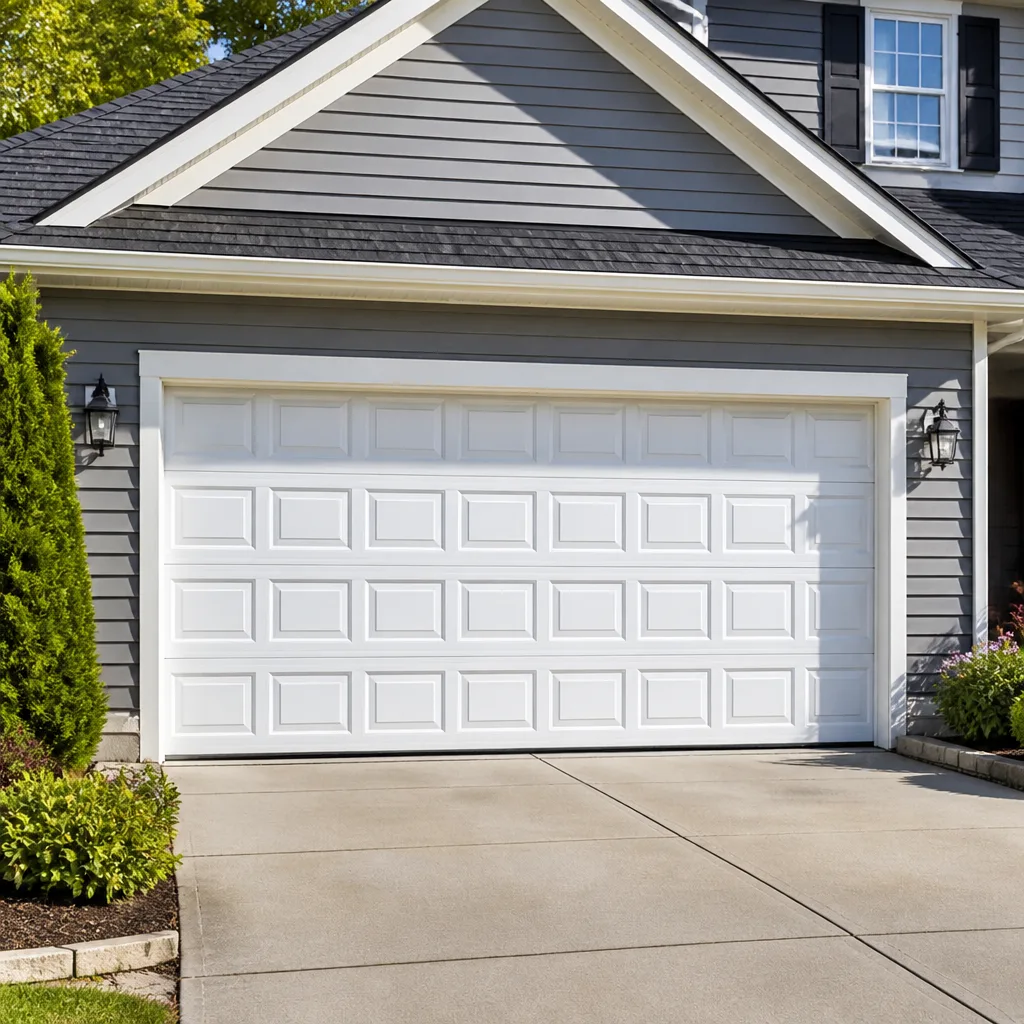 Raised-panel steel
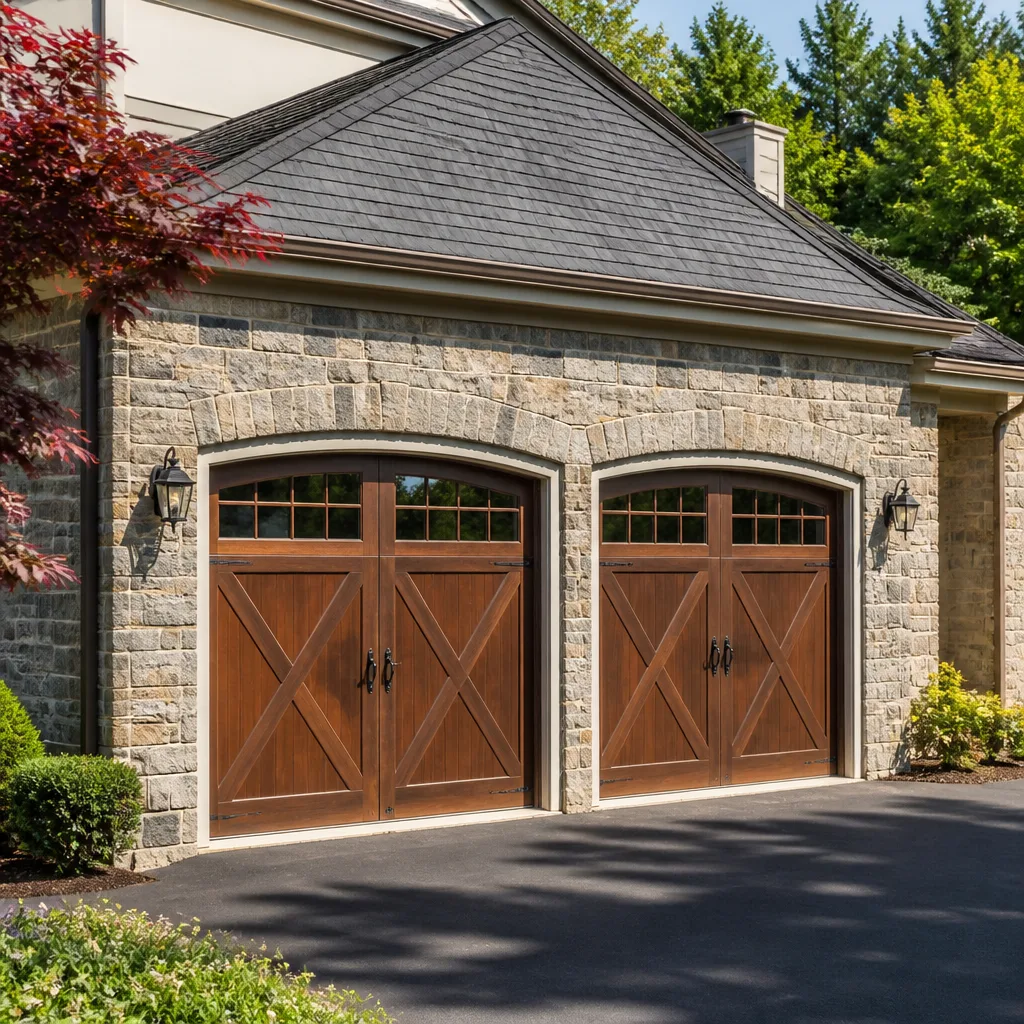 Carriage house
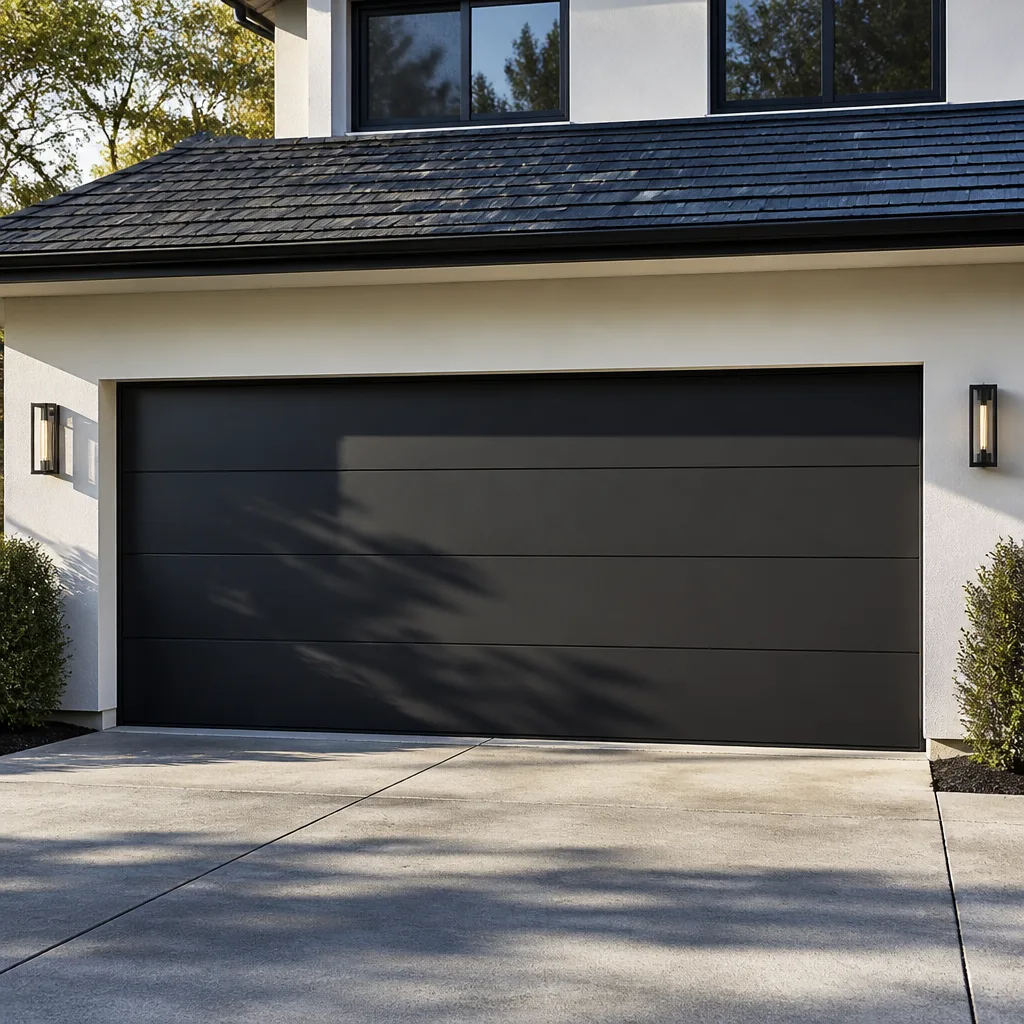 Modern flush
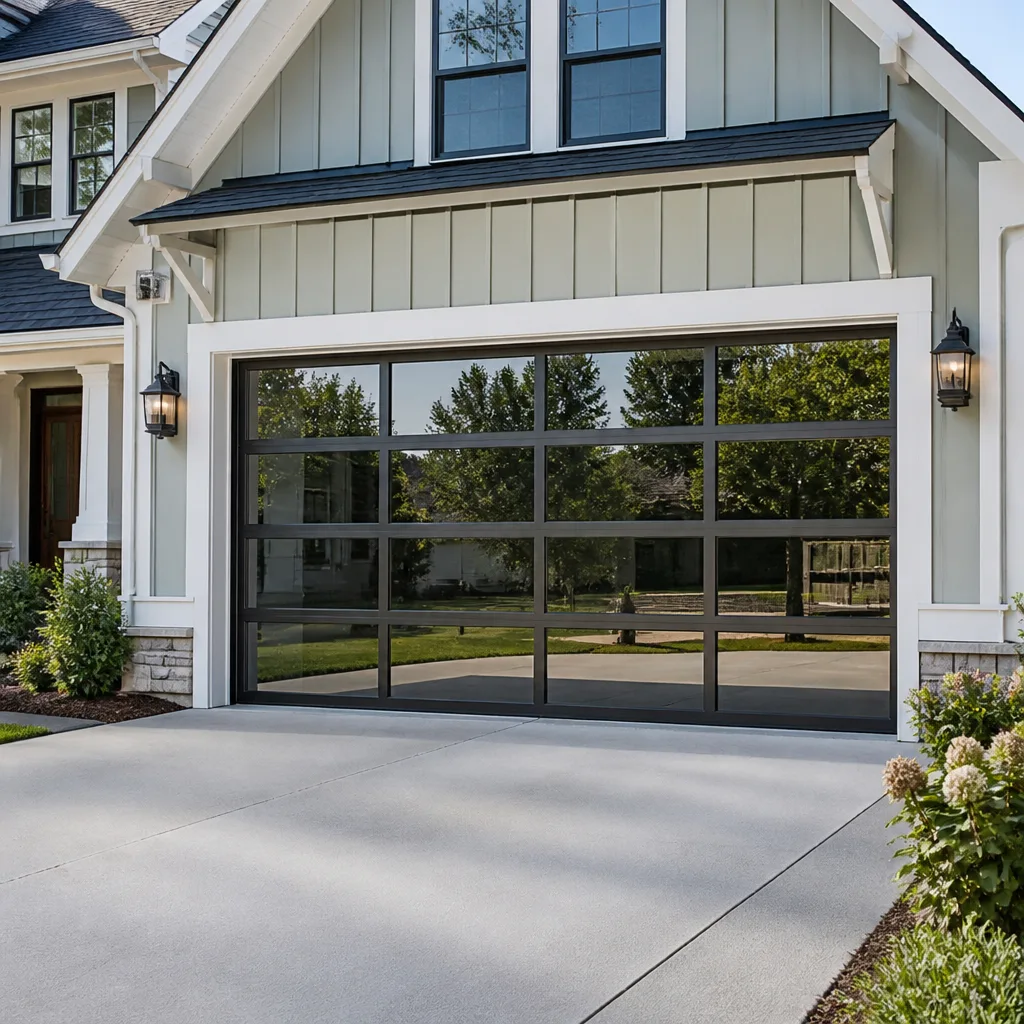 Full-view glass
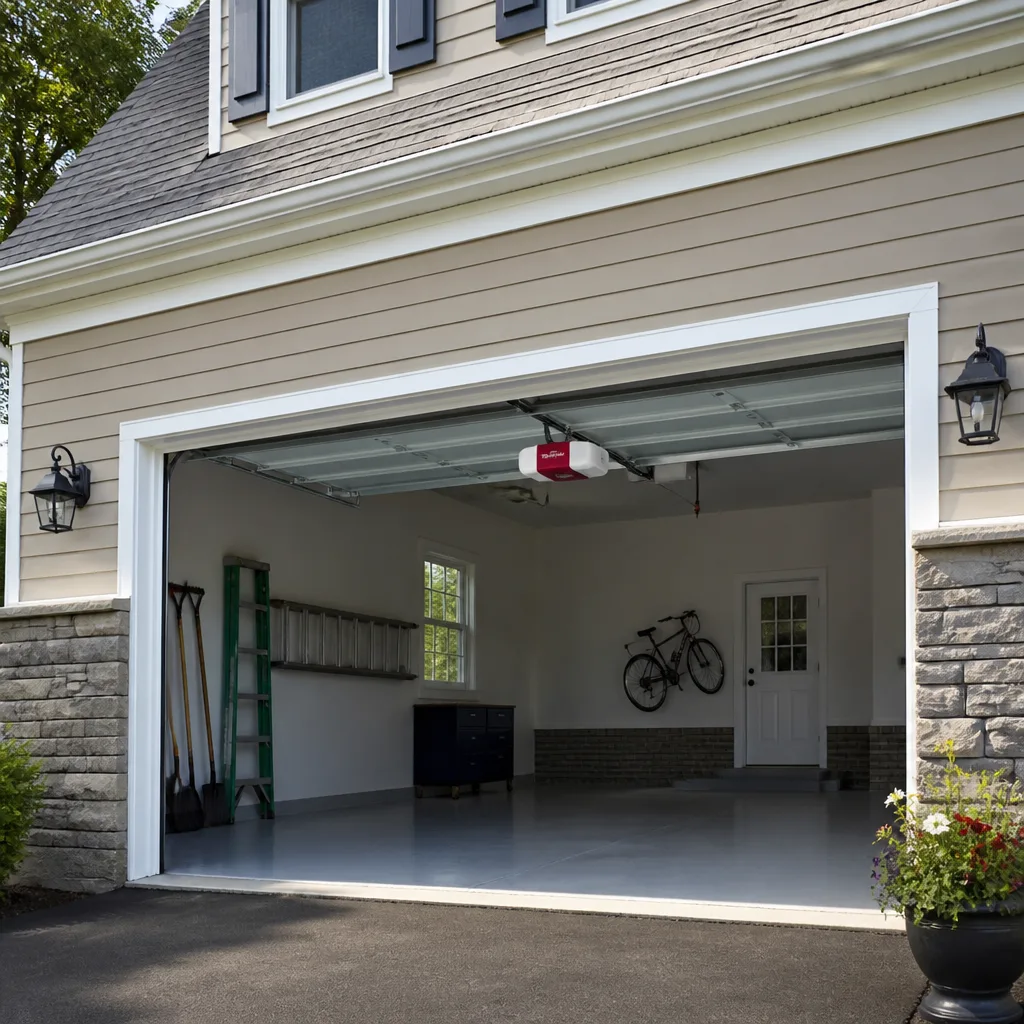 LiftMaster openers
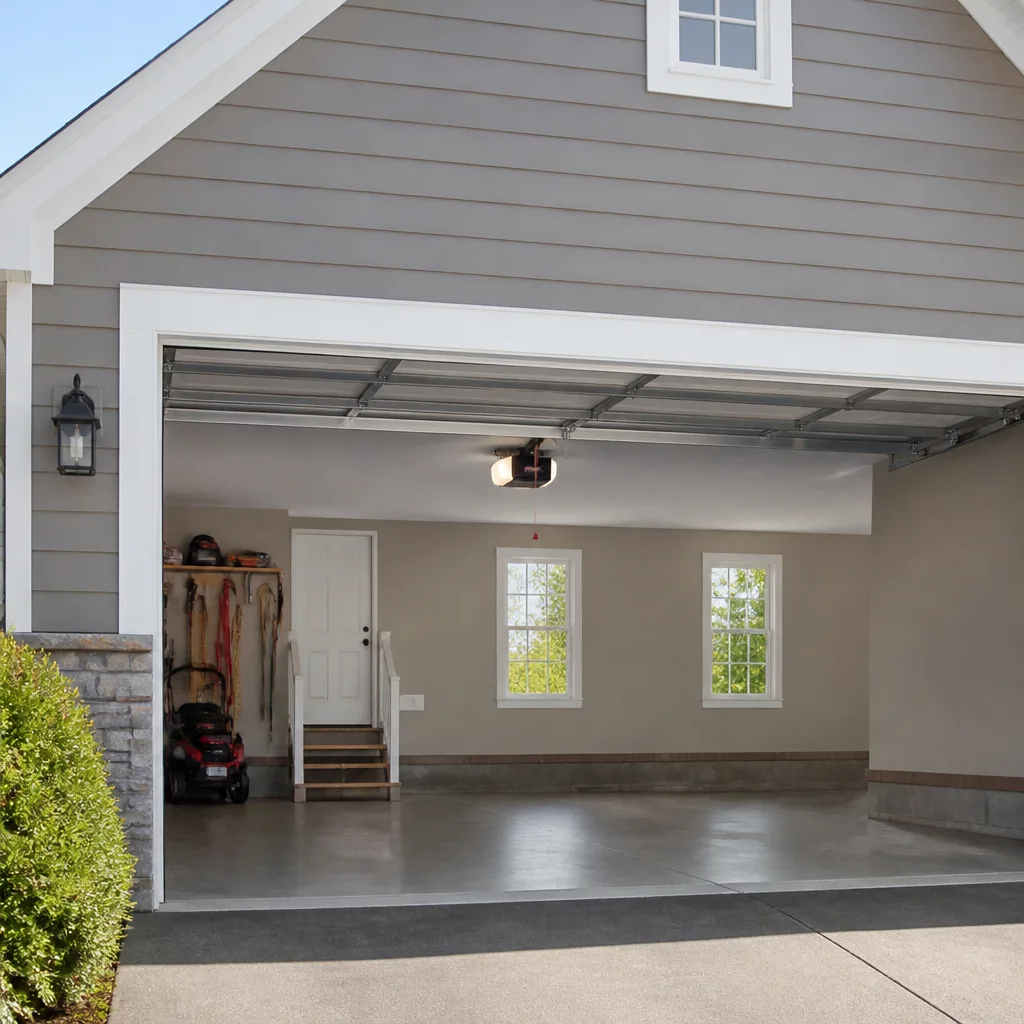 Chamberlain openers
Full 25-point door and opener safety check with every visit - springs, cables, rollers, tracks, and your LiftMaster or Chamberlain opener included
You get a price before we start. It does not change when the pro arrives.
Get your free estimateGarage Door Repair Maintenance Checklist for Pasadena Homeowners
Most garage door failures we see in Pasadena don’t start with a dramatic snap. They start with a bottom seal that quietly gave up. Humidity from the Gulf works its way under that rubber, wicks into the door panel, and rots the core from the inside out across a couple of rainy seasons. Long before the spring finally breaks, the door has already been telling you something was wrong. The fix is a maintenance rhythm tied to Pasadena’s actual weather, not a generic spring-and-fall list copied from a national site. This guide gives you that rhythm: month by month, component by component, with the lubrication choices and inspection points that hold up in southeast Texas humidity.
Quick Answer
A workable garage door maintenance routine in Pasadena means monthly visual checks of the bottom seal, tracks, and sensors, lubrication every two to three months with a grit-resistant product, and a professional tune-up once a year that includes spring inspection and balance testing. The single most valuable habit is inspecting the bottom seal and threshold after every heavy rain, since that’s where moisture intrusion begins on Pasadena’s slab foundations. Catching seal damage early prevents the panel rot that turns a small fix into a garage door repair job.
Styles & brands we work with
- Raised-panel steel
- Carriage house
- Modern flush
- Full-view glass
- LiftMaster openers
- Chamberlain openers
Table of Contents
- Why a Pasadena Maintenance Checklist Looks Different
- The Month-by-Month Schedule for Pasadena’s Weather
- Bottom Seal and Threshold: The Moisture Intrusion Pattern
- Lubrication That Holds Up in Gulf Coast Humidity
- Torsion Spring Cycle-Count Math
- Safety Sensor Alignment for Afternoon Sun Angles
- Track, Roller, and Hardware Checks
- The Annual Professional Tune-Up
Why a Pasadena Maintenance Checklist Looks Different
Pasadena sits close enough to Galveston Bay that the air stays heavy most of the year. That humidity changes the failure sequence of a garage door. In a dry climate, hardware tends to wear out from friction. Here, it degrades from moisture first. Steel hinges pit. Rollers develop flat spots where grit has bonded to the bearing surface. The bottom rubber seal, which sits closest to the slab and takes the most water, often fails before anything mechanical does.
Summers add a second factor: sustained heat. A south- or west-facing garage can bake for hours every afternoon, and that heat travels into the metal and the door panels. Vinyl and rubber components harden and crack. Wood-grain composite panels from makers like Clopay can swell at the edges if the seal beneath them is compromised.
What this means for you is that the maintenance calendar isn’t organized around “spring and fall” like the generic checklists suggest. It’s organized around Pasadena’s two rainy stretches and the long hot middle of the year. Our technicians have up to 9 years of experience with the systems that show up in this area, and the pattern we see over and over is that moisture wears parts down from the bottom up. The guide below puts the checks in that order.
One more local reality: Pasadena housing stock is varied. Older homes near the original downtown core may still have heavy wooden doors on extension springs. Newer construction out toward the Beltway tends to have lighter insulated steel doors with torsion springs and smart openers from LiftMaster or Chamberlain. Both fail differently, and both benefit from the same discipline of monthly attention.
The Month-by-Month Schedule for Pasadena’s Weather
Generic checklists tell you to “inspect in spring and fall.” That advice doesn’t track the actual weather here. Below is a schedule built around Pasadena’s rainy spells, summer heat, and the transition months when humidity climbs.
- January through February (dry, cool): Best window for a full lubrication pass and a close look at springs. Cool, dry air makes it comfortable to work in the garage and lets you spot corrosion that the humidity of summer will make worse.
- March through April (spring rains begin): Check the bottom seal and threshold after every heavy rain. Watch for water pooling along the inside edge of the door. This is when a compromised seal first shows itself.
- May (humidity climbs): Re-lubricate hinges, rollers, and the torsion spring coils. Inspect for rust bloom on any bare metal. Test the safety sensors with the sun at its most direct angle for your driveway.
- June through August (peak heat): Monthly balance and sensor check. Heat expands the door; listen for new squeaks or a door that closes harder than it did in cooler months. Avoid the temptation to over-lubricate; dust sticks to excess grease.
- September through October (late storm season): Second seal inspection and threshold check. Look at the weatherstripping along the sides and top, not just the bottom.
- November through December (dry again): Clear weather for a professional tune-up. This is the ideal time to book an annual service so any developing problems are addressed before the next wet cycle.
If you follow nothing else on this list, put the seal inspections (March-April and September-October) on a calendar reminder. Those two checks are where a maintenance routine actually saves money in Pasadena.
Bottom Seal and Threshold: The Moisture Intrusion Pattern
The most expensive garage door failures in Pasadena start with the cheapest part. The bottom seal runs along the base of the door and presses against the threshold when the door is closed. On a concrete slab, that contact point is the front line against water, and it takes more abuse than any other component. When it hardens, tears, or pulls away, water finds a path under the door.
That water doesn’t announce itself. It wicks into the bottom rail and the door panel material, then stays there because the garage stays closed and humid. Over time and repeated wet cycles, wood-grain composites swell and steel panels rust at the bottom seam. This is the slow, hidden damage that eventually forces a full panel or door replacement.
How to inspect the bottom seal
- With the door closed, look along the entire length of the seal from inside the garage. You’re checking for gaps, flaps that don’t touch the slab, or visible cracking.
- Run a hand gently along the seal. Hardened rubber has lost its flexibility and won’t seal against the floor no matter how it looks.
- Check the concrete threshold right under the door for stains, dark streaks, or efflorescence. Those are signs water has been sitting there.
- After a heavy rain, look for moisture or a damp smell at the outer edges of the bottom rail.
Replacing a bottom seal is one of the lowest-cost maintenance items you can do, and it directly prevents the panel rot that turns into a major expense. If you’re unsure whether the seal is past saving, an annual professional tune-up will catch it. Brand-specific knowledge matters here too, since seals are sized to the door: a Clopay panel takes a different profile than one from Amarr or Wayne Dalton, and a technician who knows those systems sources the right part the first time.
Lubrication That Holds Up in Gulf Coast Humidity
Lubrication in a humid climate is not “more is better.” It’s about using a product that resists moisture without collecting grit. Oil-based spray lubricants feel convenient, but in southeast Texas they attract dust and airborne debris, which turns into an abrasive paste on rollers and hinges. That accelerates wear instead of preventing it.
Here’s how we think about it. Use a silicone-based or lithium-grease product on hinges, rollers, and the metal contact points. Those hold up against moisture and don’t grab grit the way thin oils do. For the torsion spring coils, a purpose-made spring lubricant is the right choice. A little goes a long way; a light film is enough.
Where to apply (and where not to)
- Hinges: a drop or two on each pivot point.
- Rollers: the bearing, not the track surface.
- Torsion spring: a light coat along the coils.
- Do not grease the track itself. Track surfaces stay clean and dry; grease there traps grit and makes the door run rough.
- Skip nylon rollers when it comes to greasing the wheel surface; the sealed bearing is what matters.
Re-lubricate every two to three months in Pasadena, not once a year. The heat and humidity simply break down lubrication faster than in dry regions. If you notice a squeak returning within weeks of a lube pass, that’s your cue that a component may be failing rather than under-lubricated, and it’s worth having it looked at.
Torsion Spring Cycle-Count Math
Springs don’t break on a schedule. They break after a certain number of cycles, and each full open-and-close is one cycle. Understanding the math lets you estimate how much life is left, which helps you plan a replacement instead of getting surprised.
Standard residential torsion springs are rated for a set cycle life, commonly in the range manufacturers publish for their spring types. You can estimate daily cycles with a simple count: how many times the door goes up and down in a typical day. A family that leaves and returns a few times a day plus the school run might log six to ten cycles. Someone who uses the garage as the primary entrance could easily double that.
Multiply daily cycles by 365, then divide the spring’s rated cycle life by that number. The result is roughly how many years the spring should last. A door that cycles ten times a day will run through its spring life far faster than one that cycles four times. This is why two identical-looking doors in the same Pasadena neighborhood can have very different spring lifespans.
A word on safety
Torsion springs are under extreme tension. They are not a DIY repair. The tools and technique required to release and replace them are specialized, and getting it wrong can cause serious injury. When a spring reaches the end of its cycle life or shows visible gaps, sagging, or a door that feels suddenly heavy, that’s a garage door spring repair call for a trained technician, not a weekend project. A spring price covers one spring, and if both are replaced as a matched pair (common), expect roughly double.
Safety Sensor Alignment for Afternoon Sun Angles
The two small safety sensors at the bottom of the track on either side of the door exist to stop it from closing on something. In Pasadena, the most common sensor problem isn’t misalignment from bumping; it’s direct afternoon sun hitting the receiving sensor and confusing it.
If your door closes partway, reverses, or refuses to close in the afternoon but works fine in the morning, sun glare is a likely cause. The low, bright sun angle in southeast Texas during late afternoon can overwhelm the sensor’s infrared beam.
What to check
- Confirm both sensors are pointed at each other and the LEDs on each are steady (not blinking), per your opener’s manual. This applies to LiftMaster, Chamberlain, Genie, and Craftsman systems alike.
- Wipe the sensor lenses; dust and cobwebs are frequent culprits.
- Test by closing the door at the time of day the problem appears.
- If sun glare is the issue, a small sun shield or repositioning the sensor bracket can help. Don’t defeat the sensor or point it away.
Sensor problems can also show up as an opener that runs but the door won’t move. If you’ve checked the sensors and the door still won’t respond, that points to a control issue, and a garage door opener repair visit will sort out whether it’s the sensor logic or the opener board itself.
Track, Roller, and Hardware Checks
This is the part of the checklist that catches chronic wear before it becomes a call. Track and hardware checks take ten minutes and tell you a lot about the door’s health.
- Track alignment: The vertical and horizontal tracks should be straight and parallel. Look for dents or a bend where the roller has been riding hard. A bent track will eventually derail the door.
- Roller condition: Look for flat spots, cracked wheels, or wobbly movement. Worn rollers make the door noisy and put extra stress on the opener and springs.
- Hinge tightness: Loose hinge screws back out over time. Snug them, but don’t overtighten into aging wood or composite.
- Cables: Visually check for fraying or slack. Like springs, cables are under tension and are not a DIY fix; flag them for a professional.
- Balance test: With the door closed and the opener disconnected (per your manual’s instructions), lift the door to about waist height and let go. A balanced door stays put. One that drops fast is under-supported and needs a spring check.
If a track is bent or a cable looks questionable, stop using the door and have it inspected. Continuing to cycle a door with compromised hardware risks a derailment, and that turns a simple adjustment into a bigger repair.
The Annual Professional Tune-Up
Everything above is what you can reasonably do yourself: visual checks, cleaning, lubrication, and the balance test. The annual professional tune-up is where the parts you shouldn’t touch get looked at by someone who has the tools and the training. In Pasadena, late fall and early winter (November through December) is the ideal window, since you’re clearing any developing issues before the next rainy season.
A proper tune-up covers spring inspection (measuring for fatigue or gaps without dismantling them), cable inspection, balance and force adjustment on the opener, roller and hinge assessment, track alignment, and a bottom seal check. It also catches opener-side issues, like a LiftMaster or Chamberlain unit that’s running but not quite at the right force setting.
Our technicians have up to 9 years of experience across the major residential brands, including LiftMaster, Chamberlain, Genie, and Clopay, so a tune-up starts from familiarity with your specific system rather than guesswork. That’s the difference between a tune-up that catches things and one that just sprays some lubricant and moves on.
Want to plan ahead? Start with the main Garage Door Repair Pasadena Pros page to see how repair, maintenance, and installation all fit together, then book the tune-up.
Common Mistakes to Avoid
- Skipping the bottom seal check because the door “looks fine.” The seal fails from underneath and inside first, so the door looks normal while moisture is already working into the bottom rail. Check the seal after every heavy rain, not just once a year.
- Over-greasing the tracks. Grease on the track surface collects grit and grinds the rollers. Keep tracks clean and dry and lubricate the moving parts, not the rails.
- Using thin oil-based lubricant in humid weather. It attracts airborne grit and turns into an abrasive paste. In Pasadena’s humidity, a silicone or lithium-grease product holds up far better.
- Ignoring a door that reverses only in the afternoon. That’s usually sun glare on the safety sensor, not a broken door. A sensor shield or bracket adjustment fixes it; don’t disable the sensor to make the door close.
- Attempting spring or cable work yourself. These components are under high tension and can cause serious injury. The tools and technique required are specialized. Leave them to a trained technician.
- Treating a heavy door as normal. If the door is suddenly harder to lift, the spring has lost tension. Keep using it and you’ll wear out the opener too.
- Putting off a tune-up because nothing is broken yet. A Pasadena tune-up in late fall catches developing problems before the spring rains expose them. Waiting for a failure costs more than preventing one.
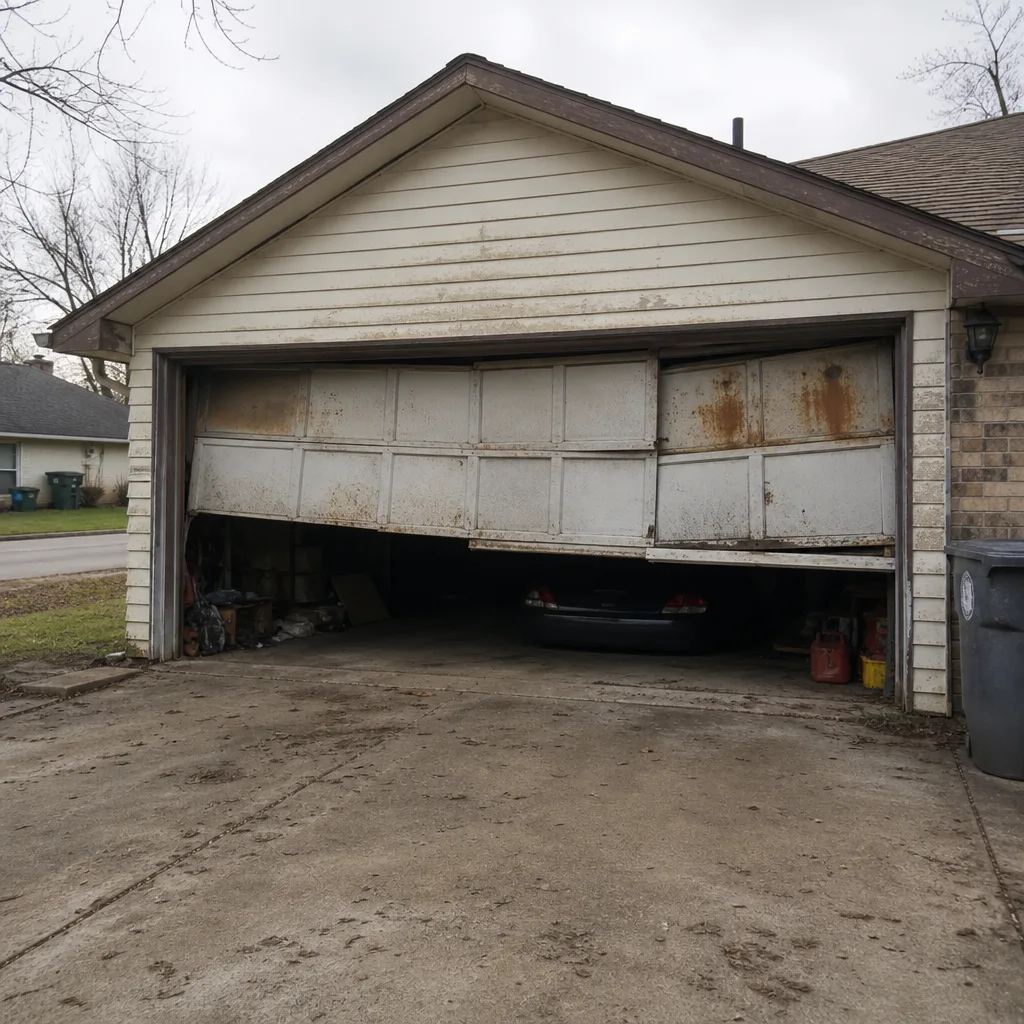
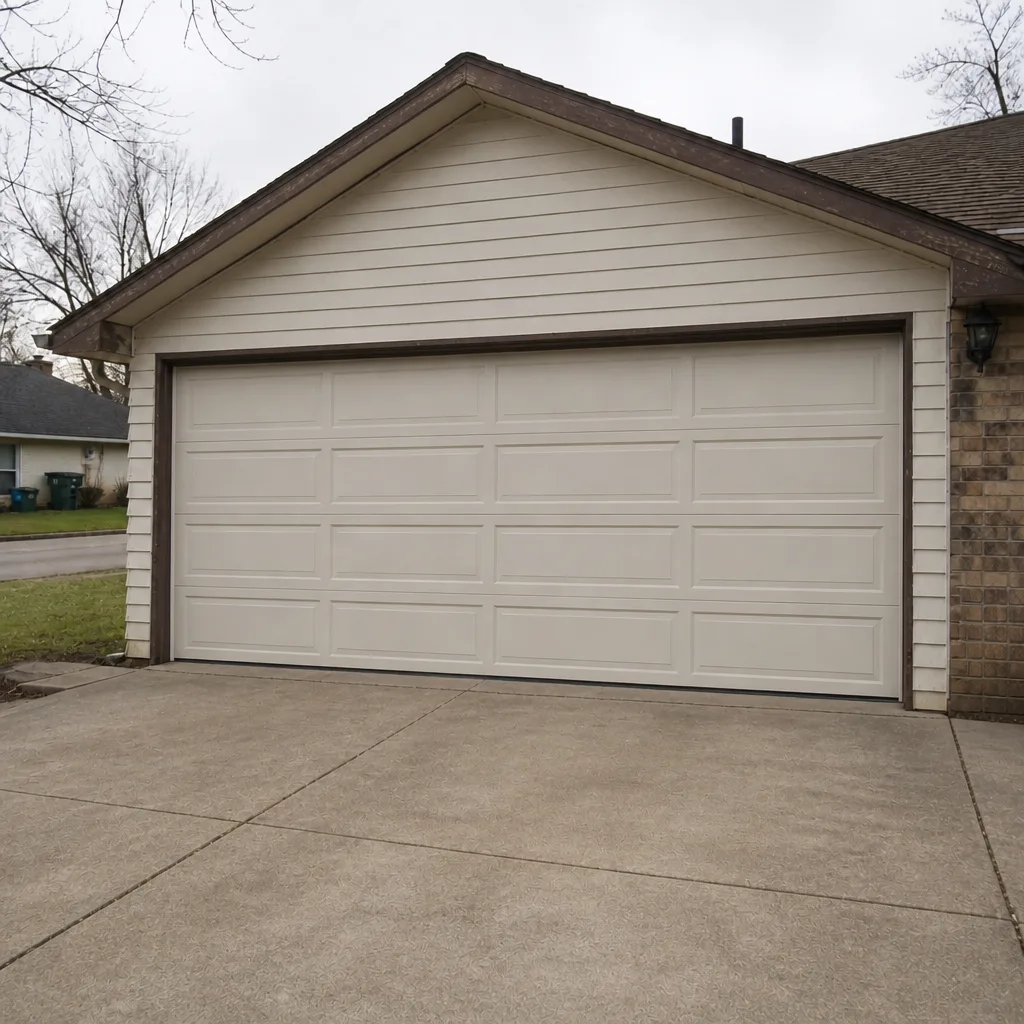
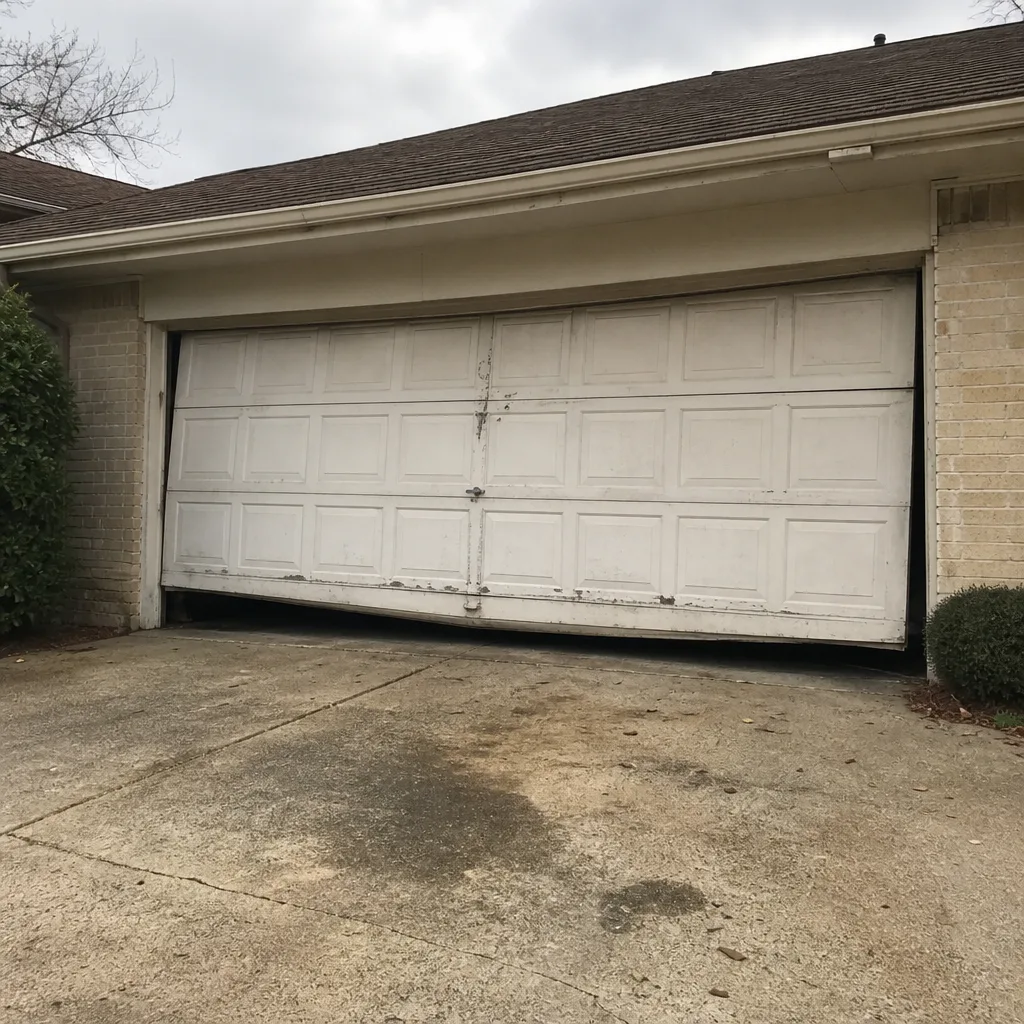
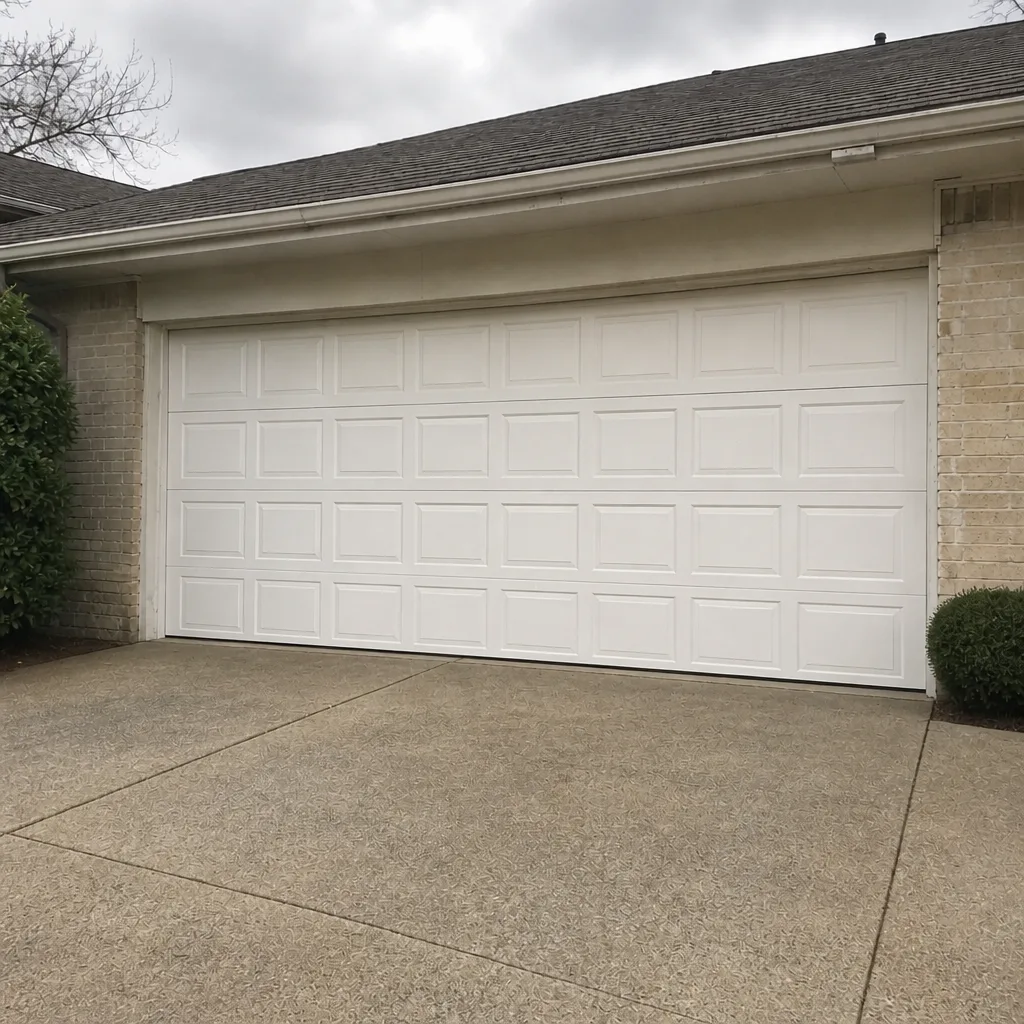
See the difference
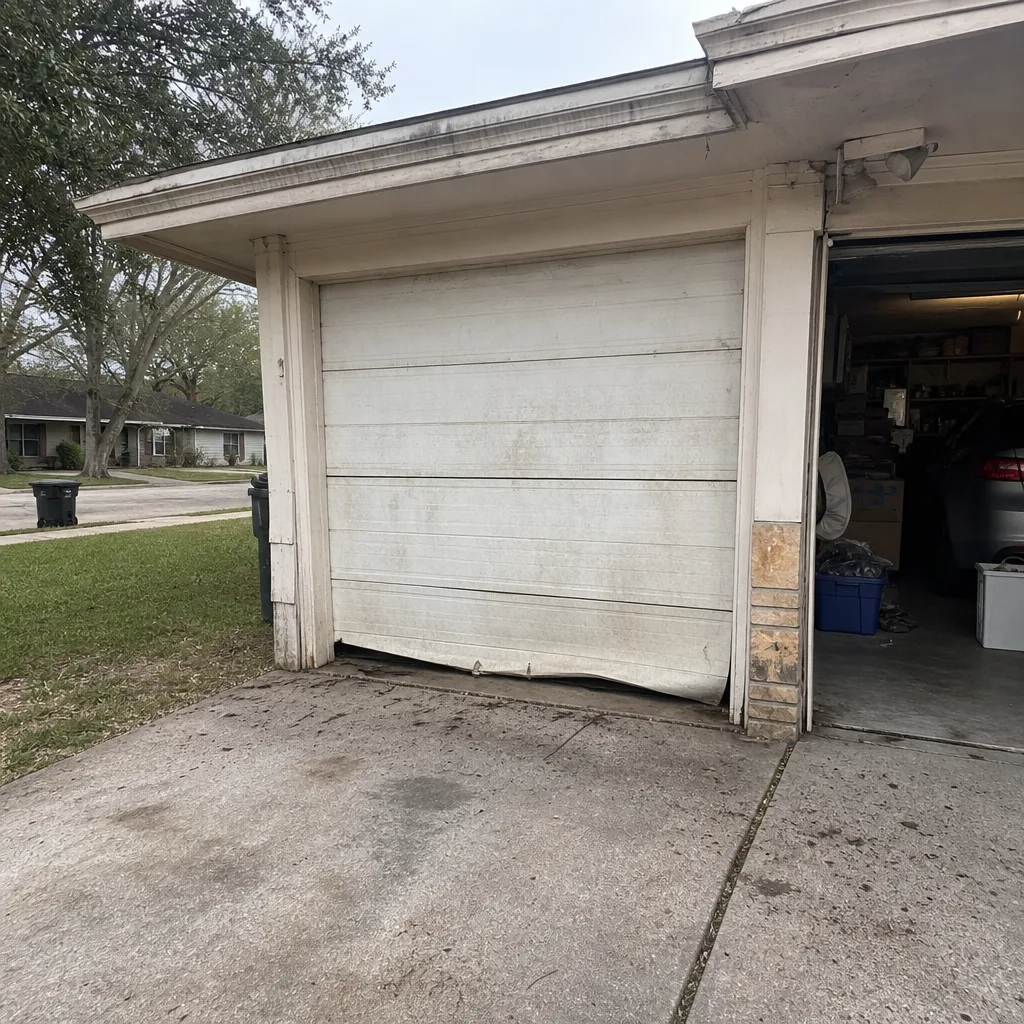 Before
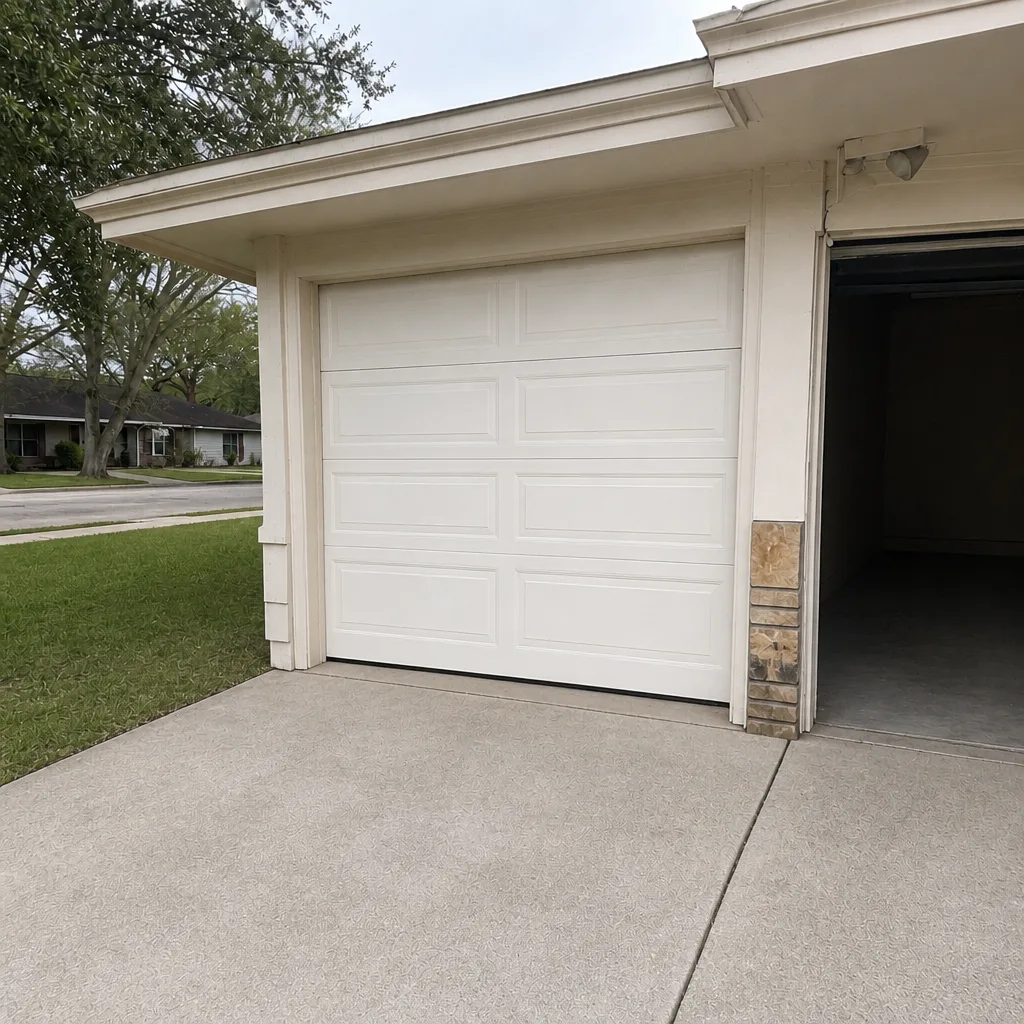 After
 Before
 After
 Before
 After
When to Call a Professional
Some jobs are maintenance; some are repair. Call a professional when you find a broken or sagging spring, a frayed cable, a door that’s off its track, or an opener that runs but won’t lift the door. Call the same day if the door is stuck open or won’t close, since a garage left unsecured is a real safety and security concern. A door that reverses unpredictably, or one that feels dangerously heavy when you test the balance, also warrants a prompt call. If you’re unsure, describe what you’re seeing and someone will tell you whether it’s safe to keep using the door. Garage Door Repair Pasadena Pros offers free estimates in Pasadena: call (855) 943-1327. We answer 24/7, with fast dispatch from 7am to 7pm, Sunday through Friday.
Frequently Asked Questions
Do monthly visual checks, lubricate every two to three months, and book a professional tune-up once a year. Pasadena’s humidity breaks down lubrication faster than in dry climates, so the lube interval matters. The bottom seal deserves a look after every heavy rain.
Direct afternoon sun hitting the safety sensor is the usual cause in southeast Texas. The bright, low sun angle can overwhelm the infrared beam. Wipe the lenses, check that both sensor LEDs are steady, and consider a small sun shield. If it still fails after that, the sensor or opener logic needs a look.
No. Torsion springs are under extreme tension, and they require specialized tools and technique to replace safely. Getting it wrong can cause serious injury. This is a job for a trained technician. A spring price covers one spring, and when both are replaced as a matched pair, expect about twice that.
Count your door’s daily open-close cycles and multiply by 365 to get your yearly cycle count, then divide the spring’s rated cycle life by that number. A door cycling ten times a day uses up spring life roughly twice as fast as one cycling five times. Visible gaps, sagging, or a suddenly heavy door mean it’s time for a professional inspection.
A silicone-based or lithium-grease product on hinges, rollers, and metal contact points holds up best. Avoid thin oil-based sprays, which attract grit and accelerate wear in humid air. Keep the track itself clean and dry.
Yes. We work on LiftMaster, Chamberlain, Genie, Clopay, Amarr, Wayne Dalton, Craftsman, and Raynor systems. Brand-specific familiarity means the problem is diagnosed correctly and the right replacement part is sourced the first time.
For repair and emergency situations, same-day service is often possible. Call (855) 943-1327 and describe the problem; we answer 24/7, with fast dispatch from 7am to 7pm, Sunday through Friday. A call outside dispatch hours is booked into the next opening.
The price is quoted and agreed before any work starts. The written estimate sets the final price, and the estimate itself is free. Call (855) 943-1327 for an exact quote.
The Bottom Line
A garage door in Pasadena doesn’t usually fail without warning. It fails through the bottom seal first, then the hardware and springs that moisture and heat wear down over time. The maintenance rhythm that prevents most of it is simple: check the seal after every heavy rain, lubricate with a grit-resistant product every few months, test the sensors at the time of day glare appears, and get a professional tune-up before the late-year dry window ends. Do those things and you’ll catch problems while they’re cheap to fix. Skip them and the door will eventually tell you the expensive way. When you need a trained eye on springs, cables, or a tune-up, call (855) 943-1327 for a free estimate. We answer 24/7, with fast dispatch from 7am to 7pm, Sunday through Friday.
Written by the team at Garage Door Repair Pasadena Pros.