
Last updated November 21, 2026
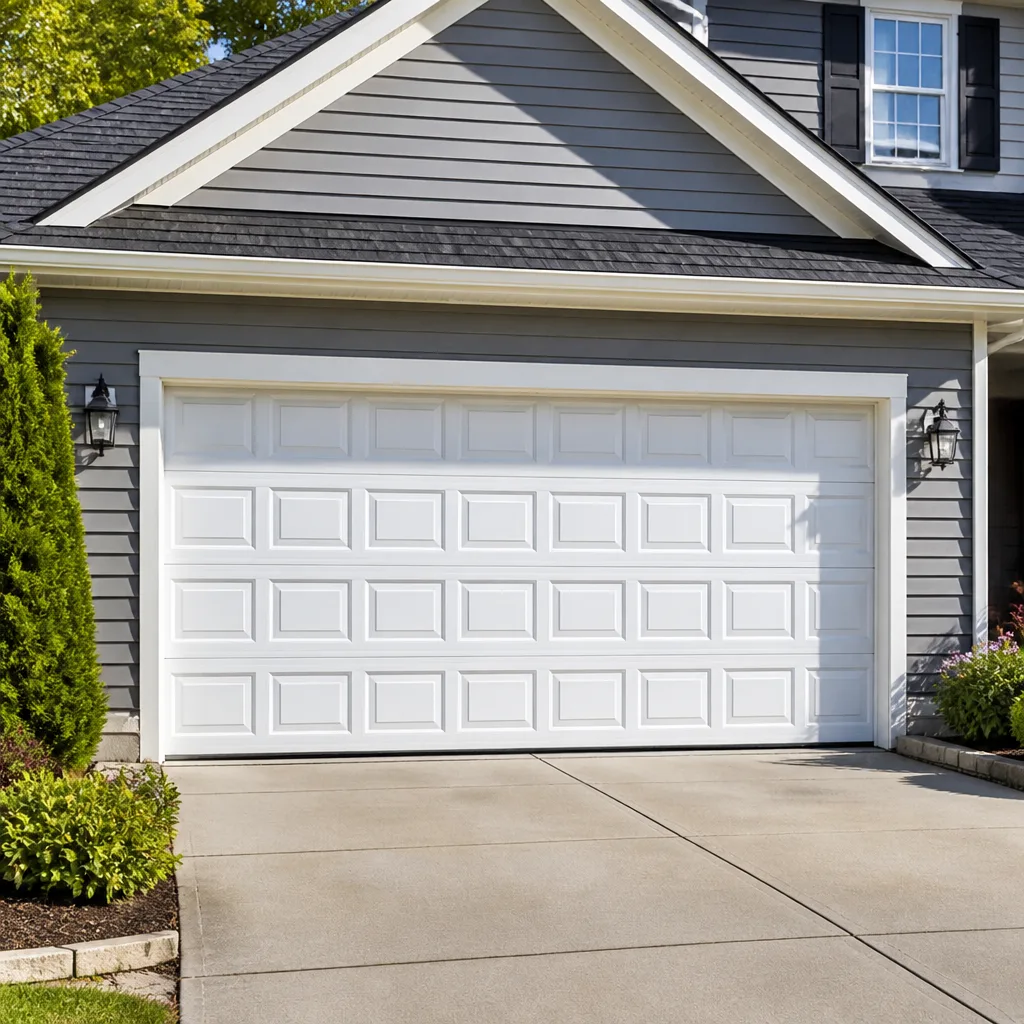 Raised-panel steel
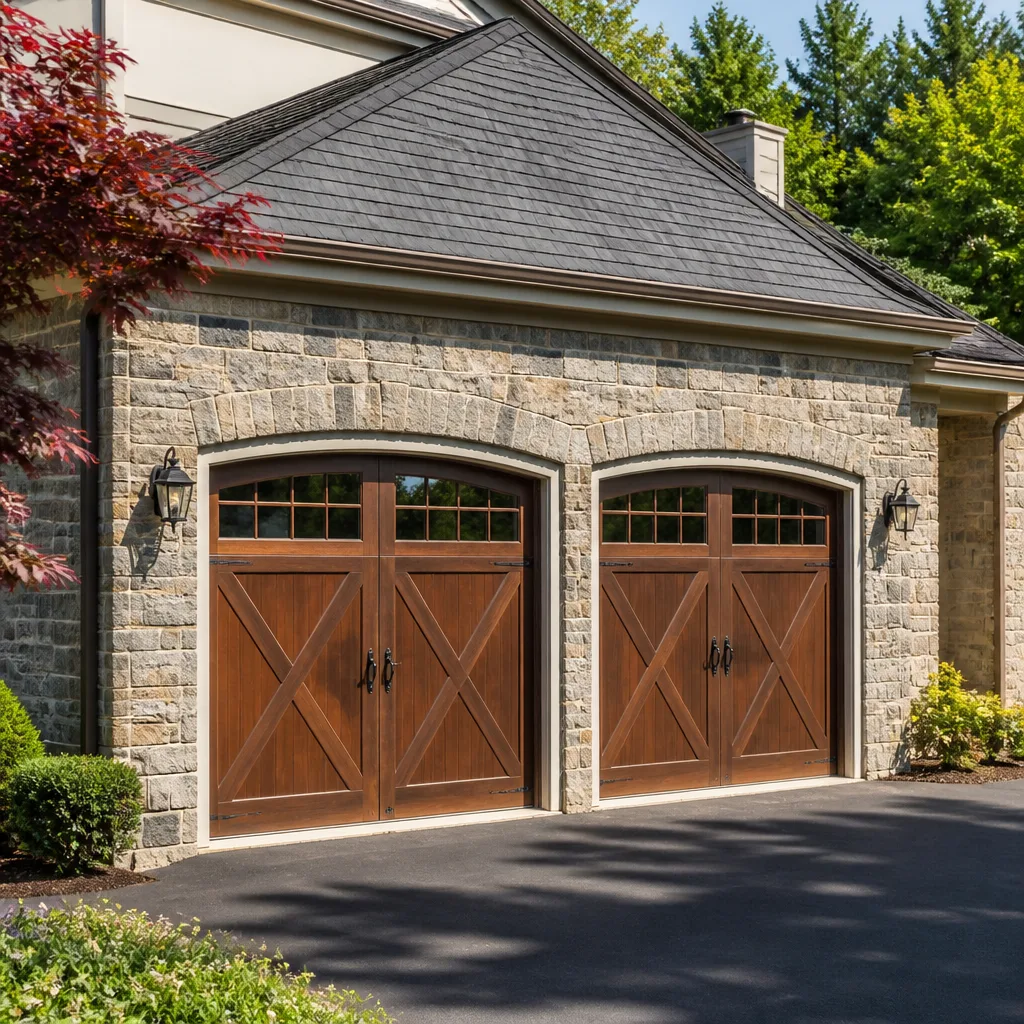 Carriage house
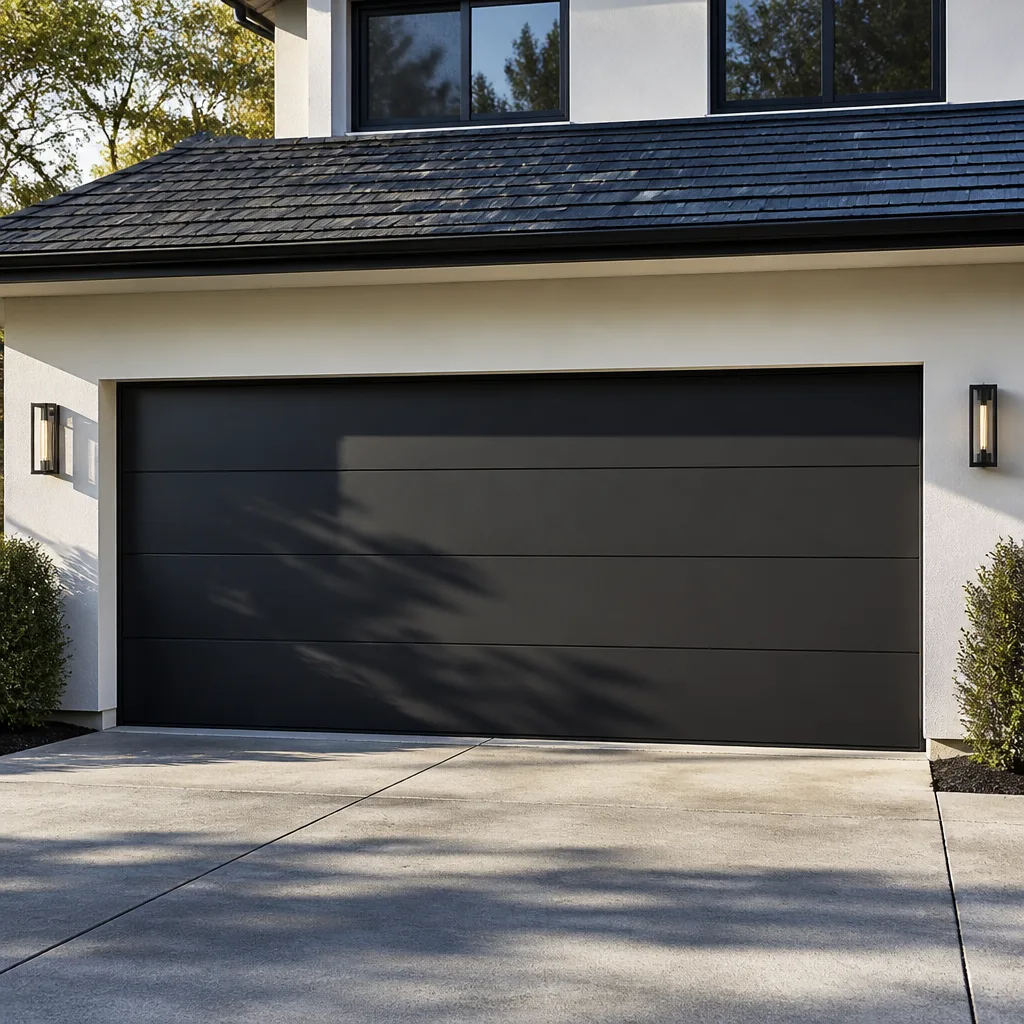 Modern flush
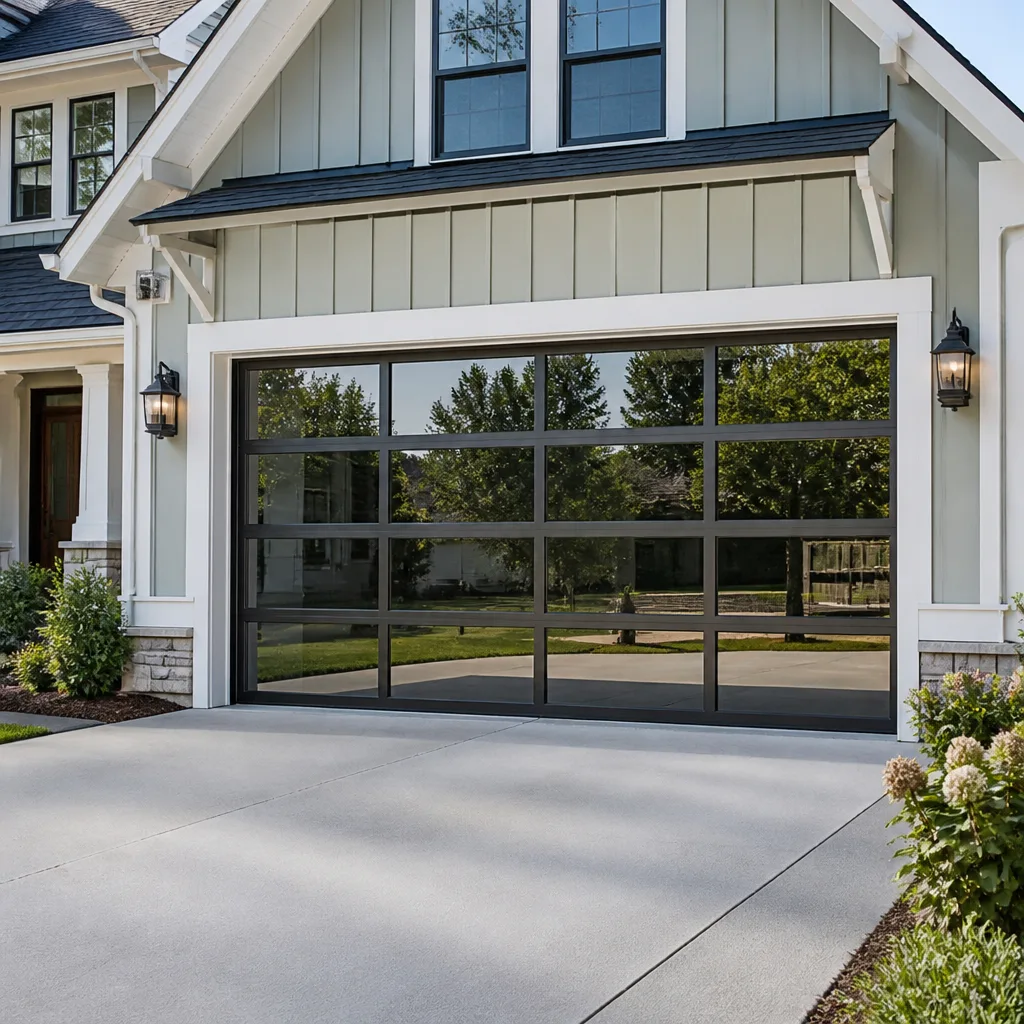 Full-view glass
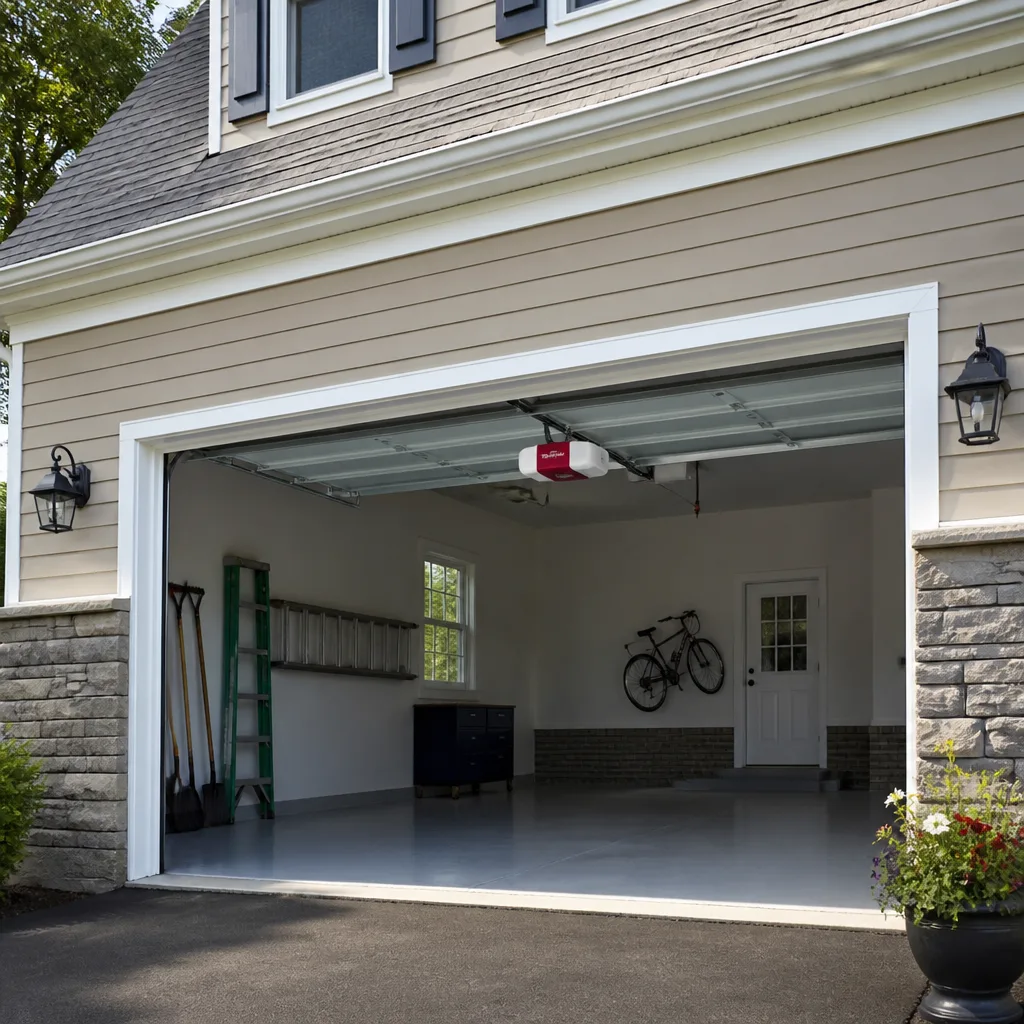 LiftMaster openers
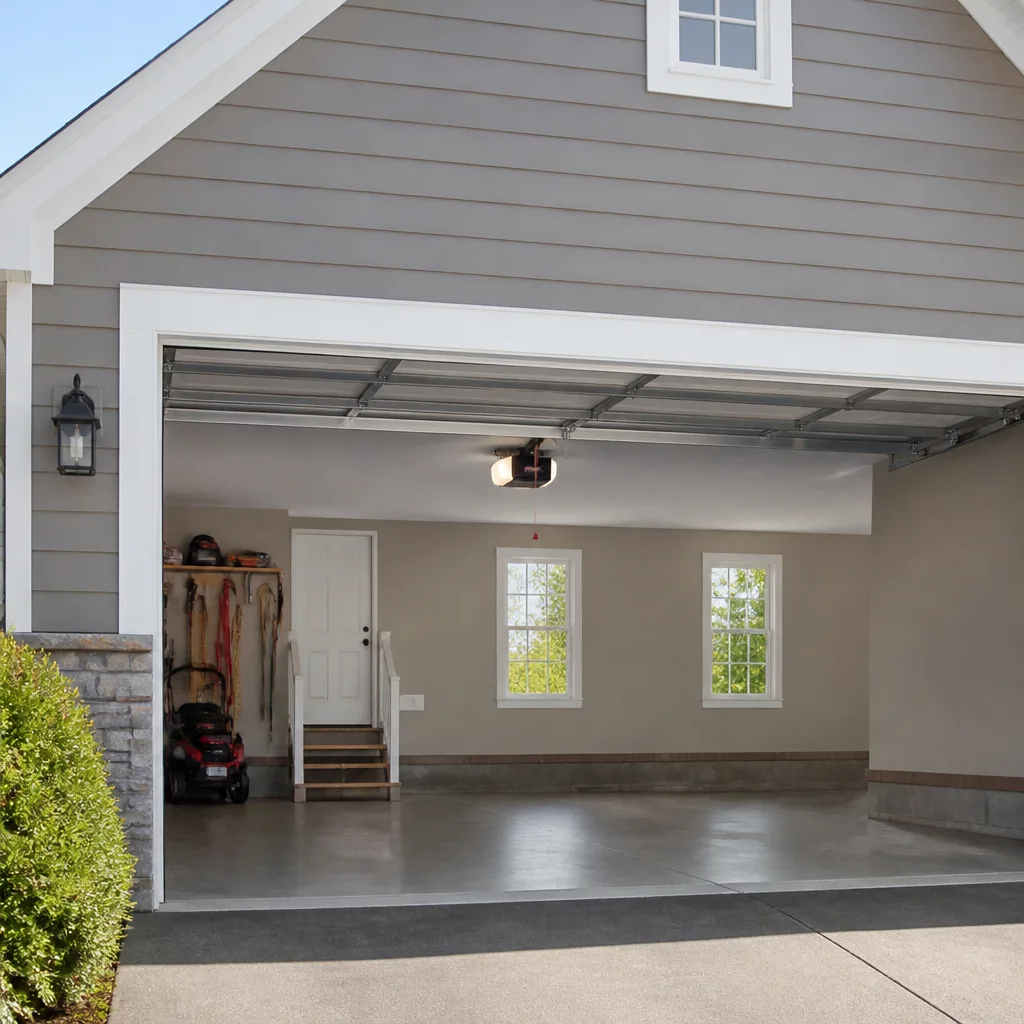 Chamberlain openers
Full 25-point door and opener safety check with every visit - springs, cables, rollers, tracks, and your LiftMaster or Chamberlain opener included
You get a price before we start. It does not change when the pro arrives.
Get your free estimateGarage Door Permits, Codes & Inspections in Pasadena, TX: What You Need to Know
Here’s the part of garage door work that almost nobody talks about at the kitchen table: the paperwork behind the door. A homeowner in Pasadena can spend good money on a new door, watch it go up in an afternoon, and never learn that the job needed a building permit, a wind-load rating that satisfies Harris County’s requirements, and an inspection that closes it out. That gap matters most after a storm, when an insurance adjuster starts asking for documents. Below we walk through exactly when Pasadena and Harris County require a permit for garage door work and when the work is genuinely exempt, which wind ratings apply to this wind zone and how to read them on a spec sheet, how the City of Pasadena’s building department process actually runs, what to keep on file for insurance, and the contractor shortcuts that turn up during a home sale.
Styles & brands we work with
- Raised-panel steel
- Carriage house
- Modern flush
- Full-view glass
- LiftMaster openers
- Chamberlain openers
Quick Answer
In Pasadena and the rest of Harris County, replacing a garage door is generally treated as a structural, wind-load-bearing change and usually requires a building permit, while a straight repair or spring replacement on an existing door typically does not. The exact line depends on the scope, so the definitive answer comes from the City of Pasadena’s building department before the door is ordered. What you want on file afterward is a permit record, an inspection sign-off, and a product spec sheet showing the door’s wind-load rating.
Table of Contents
- Does Replacing a Garage Door Require a Permit in Pasadena, TX?
- When Garage Door Work Is Genuinely Exempt
- Wind-Load Ratings in Harris County: What the Numbers Mean
- How to Verify a Wind-Load Rating on a Product Spec Sheet
- The Pasadena Permit and Inspection Process, Step by Step
- What to Keep on File for Insurance After a Permitted Installation
- Contractor Practices That Skip Permits, and How Unpermitted Work Surfaces at Sale
- Common Mistakes to Avoid
- When to Call a Professional
- Frequently Asked Questions
Does Replacing a Garage Door Require a Permit in Pasadena, TX?
The short version: a full garage door replacement usually does, and a repair usually doesn’t. The longer version is about wind. A garage door is the largest moving opening in a house, and in a high-wind event it’s one of the first components to see pressure. Because Harris County sits in a wind zone where door ratings are taken seriously, replacing a door is treated less like swapping a fixture and more like changing part of the building envelope.
What generally pushes a job into permit territory:
- Installing a new door where an old one existed, especially if the size, style or model changes.
- Any change to the framing, the header, or the way the door is anchored to the structure.
- Widening or narrowing the opening to fit a different door.
- Replacing a door on a home where the previous door had no rating documentation on file.
What generally does not require a permit in Pasadena:
- A like-for-like spring replacement or cable replacement on an existing door.
- Opener replacement or repair on an existing door and rail system.
- Roller, hinge, track adjustment or weatherstrip work.
- Routine service and tuning.
That’s the general shape of it, not a ruling. Pasadena’s building department makes the call, and the call can hinge on the scope described on the application. We tell homeowners to phone the city with the door’s model number in hand before anything is ordered, because the answer changes what you buy. For straightforward repairs that stay inside the exempt zone, our garage door repair page covers the service side.
When Garage Door Work Is Genuinely Exempt
Exempt work is narrower than some contractors imply. The honest test is simple: are you repairing an existing, permitted, properly rated door, or are you changing the door itself? Repairing stays exempt. Changing the door is where the city takes an interest.
These typically fall on the exempt side in Pasadena:
- Spring replacement. A torsion or extension spring is a wear component inside an existing door assembly. Replacing it doesn’t alter the envelope. It does demand the right tools and training, though. Garage door spring repair involves high-tension steel under load, and this is not a job for a homeowner with a pair of winding bars from a video.
- Opener repair or replacement. LiftMaster, Chamberlain, Genie and Craftsman units come and go from a rail without touching the door or its anchoring, so garage door opener repair sits outside the permit question.
- Hardware and balance work. Rollers, hinges, bearings, cables, track alignment and lubrication.
- Sealing and trim. Bottom seals and side weatherstrip, as long as they don’t involve reframing.
Where homeowners get into trouble is assuming a “same size” swap is automatically exempt. It usually isn’t, because the door, its bracing and its anchoring are all part of the wind-resisting assembly. A Wayne Dalton door of the same nominal size may carry a very different rating than the Amarr model replacing it, and the permit record is how you prove which one is on the house. When in doubt, a quick call to the city settles it, and it’s the cheapest part of the project.
Wind-Load Ratings in Harris County: What the Numbers Mean
Wind-load ratings describe how much pressure a door and its hardware are designed to withstand. They’re expressed in pounds per square foot, and the design values come from ASCE 7, the standard engineers use to calculate wind loads on structures. Harris County’s wind zone means garage door selections here are expected to carry a rating appropriate to that zone rather than whatever the cheapest door on the shelf happens to be.
Why this matters to a Pasadena homeowner in practical terms:
- The door is the weak point. A garage door that fails under pressure lets wind and water into the structure. That’s a structural event, not a cosmetic one.
- Ratings are model-specific, not brand-wide. One door in a manufacturer’s lineup may be rated for this zone and the next one up may not. The rating belongs to the model, the size and the reinforcement package together.
- Reinforcement counts. Struts, heavier track, and upgraded anchors are how a door reaches a higher rating. A rated door hung on light-duty hardware doesn’t deliver the rated performance.
- The spec sheet is the evidence. A permit reviewer and an insurance adjuster both want to see a document showing the rating for the exact model installed.
We work across the major residential brands, including Amarr, Wayne Dalton and Raynor, and the rating conversations differ by model within each one. That’s why we read the spec sheet before quoting a door rather than after. If a product’s paperwork doesn’t establish the rating for this zone, the product isn’t the right one for a Pasadena home, no matter how good it looks in a showroom photo.
How to Verify a Wind-Load Rating on a Product Spec Sheet
A spec sheet is only useful if you know which lines to read. Manufacturers publish ratings by model and size, and the numbers won’t mean anything unless you match them to the door actually going on your house. Here’s the sequence we use:
- Confirm the model number. Not the series, not the family name. The full model number as it appears on the order.
- Match the exact width and height. Ratings shift with door size. A rating listed for one size doesn’t carry over to another.
- Check the design pressure figure. This is the number in pounds per square foot that the door is rated to resist. It’s usually printed as a positive and negative number, since wind pushes and pulls.
- Look at the reinforcement package. The sheet should state which struts, track gauge and anchor configuration the rating depends on. If the door is installed without them, the rating doesn’t apply.
- Confirm the standard cited. Ratings are derived using ASCE 7 methodology. A sheet that doesn’t reference a standard at all is a red flag.
- Keep a copy. Print it, save the PDF, and file it with the permit paperwork. You’ll want it at resale and possibly at claim time.
If a contractor hands you a brochure instead of a spec sheet, ask again. Brochures describe features. Spec sheets establish ratings. The two are not interchangeable, and only one of them satisfies a building department reviewer or an insurance company asking questions after a wind event in Pasadena.
The Pasadena Permit and Inspection Process, Step by Step
The process is not complicated, but it runs in a specific order, and skipping a step costs time. Here’s how a permitted garage door replacement generally moves through the City of Pasadena’s building department:
- Confirm the requirement. Call the building department with the address, the existing door size, and the proposed model. Ask what they need for this scope. Get the answer from the city, not from a contractor’s memory.
- Select a door rated for the wind zone. Match the model and size to the rating, and pull the spec sheet.
- Submit the permit application. This typically includes the address, the scope of work, the door model and rating documentation, and the contractor information. The city will tell you exactly what’s required for your scope, so follow their list.
- Pay the permit fee and receive the permit. Work shouldn’t begin before the permit is issued, even if the door is sitting in the garage.
- Install the door and hardware as specified. The rated configuration includes the reinforcement. A door installed without its rated hardware doesn’t match the permit.
- Schedule the inspection. The city inspects the installation against the permit. This is where the rating documentation earns its keep.
- Get the sign-off and file everything. The closed permit, the inspection record, the spec sheet and the invoice all go in one folder. That folder is your insurance documentation.
Timelines vary with the city’s workload and the completeness of the application, so we don’t promise a number. We do tell Pasadena homeowners to start the permit conversation before the door is ordered, because a door that turns out not to be rated for this zone is an expensive discovery after delivery.
What to Keep on File for Insurance After a Permitted Installation
The claim conversation after a wind event starts with documents, not memories. If an adjuster asks whether the garage door was replaced and whether it was rated for the wind zone, the answer needs to be a folder, not a shrug. Keep these together:
- The closed permit. Proof the work went through the city and was inspected.
- The inspection sign-off. The record showing it passed.
- The product spec sheet. The document with the model number, size, design pressure rating and the reinforcement package.
- The contractor invoice and contract. Showing what was installed, when, and by whom.
- Photos of the finished installation. Labeled hardware and bracing photos are worth having.
- The opener documentation. If a new LiftMaster or Chamberlain unit went in at the same time, keep that paperwork too.
A digital copy costs nothing and survives a flooded file cabinet. We suggest scanning the whole folder to cloud storage and emailing it to yourself, so it’s retrievable from a phone. This is the part of the process that homeowners skip most often in Pasadena, and it’s the part that makes the difference when a claim gets reviewed.
Contractor Practices That Skip Permits, and How Unpermitted Work Surfaces at Sale
Some contractors skip permits because it’s faster and cheaper for them. The cost doesn’t disappear; it moves to the homeowner, often years later. The warning signs are consistent:
- The bid is well below others and the contractor gets vague when you ask about permits.
- “You don’t need a permit for a garage door” is stated as a blanket fact rather than a question about your specific scope.
- No spec sheet is offered, or the spec sheet doesn’t show a rating for this wind zone.
- The contractor asks you to pull the permit as the homeowner to keep the job off their record.
- Cash-only arrangements with no written contract.
Unpermitted work tends to surface at the worst possible moment. During a home sale, a buyer’s inspector notes a newer garage door, and the title company or the buyer’s agent asks for the permit record. If there isn’t one, the seller is often the one paying for a retroactive permit, an inspection, or in some cases correcting the installation to match a rating the door was supposed to have. That’s a negotiation problem in the middle of a transaction.
After a storm, unpermitted work becomes an insurance problem. If the carrier finds the replacement wasn’t permitted or wasn’t rated as required, the structural damage claim is exposed. That’s the strongest argument for doing it properly the first time in Pasadena.
Common Mistakes to Avoid
- Ordering the door before checking the permit requirement. Pasadena’s building department is the authority, not the salesperson. Two minutes on the phone before the order prevents a return.
- Assuming “same size” means “no permit.” Size isn’t the only factor. The rating and the anchoring are, and a same-size door without the right wind rating can fail the requirement.
- Accepting a brochure as rating documentation. Ask for the spec sheet with the model, size, design pressure and reinforcement package. Anything less doesn’t prove the rating.
- Letting the contractor skip the inspection sign-off. The closed permit is the whole point. A permit that was never inspected is an open question waiting for a buyer or an adjuster.
- Filing the paperwork nowhere. The spec sheet and inspection record need to be retrievable years later. Scan them the day the job closes.
- Hiring a generalist for a high-tension spring. Torsion and extension springs are under serious load. A handyman without the tools and training shouldn’t be near them, and the permit question is irrelevant when the safety question is bigger.
- Ignoring the opener paperwork. If a new opener went in with the door, keep that documentation alongside the door file. A Genie or Craftsman unit’s paperwork belongs in the same folder.
When to Call a Professional
Some of this work belongs in the hands of someone trained for it. A broken spring is the clearest case. Torsion and extension springs are high-tension steel, and a DIY attempt on them is a genuine injury risk. That’s not a permit issue; it’s a safety one. A door that’s off its track, a cable that’s snapped, or a door that’s become hard to lift all fall in the same category. We’d rather answer a question than a hospital visit.
For permit-related work, the call is worth making before you order anything. We work daily in Pasadena and across Harris County on both repair and full installation, and we know which questions the city asks. Garage Door Repair Pasadena Pros offers free estimates in Pasadena – call (855) 943-1327. We answer 24/7. Fast dispatch from 7am to 7pm, Sunday through Friday.
If you’re starting with a repair rather than a replacement, the Garage Door Repair Pasadena Pros home page lays out the service lines. For installation, we handle the door selection, the rating documentation and the permit conversation as one job, not three.
Frequently Asked Questions
Usually yes. Replacing a garage door in Pasadena and the rest of Harris County generally requires a building permit because the door is part of the wind-resisting envelope, while a straight repair on an existing door typically doesn’t. Call the City of Pasadena’s building department with your address and the proposed model to get the definitive answer for your scope. Then call (855) 943-1327 for a free estimate on the work itself.
It needs to be rated for the wind zone using ASCE 7 design pressures, and the rating is specific to the model, size and reinforcement package. There isn’t one number that applies to every door. Read the spec sheet for the exact model and match it to the design pressure your door location requires, which the city can confirm. We’ll walk through the spec sheet with you on a free estimate; call (855) 943-1327.
No. A spring replacement is a repair to an existing door assembly and doesn’t change the structure or the envelope, so it doesn’t trigger a permit. It does require the right tools and training, since torsion springs are under heavy load. Call (855) 943-1327 for a free estimate.
It usually becomes a problem during the transaction. The buyer’s inspection may note the newer door, the title company or agent may request the permit record, and the seller typically ends up paying for a retroactive permit, an inspection, or corrections to match the required rating. Getting it permitted at installation is cheaper and faster than dealing with it at closing. Call (855) 943-1327 before you order anything.
Keep the closed permit, the inspection sign-off, the product spec sheet showing the wind-load rating, the contractor invoice and contract, and photos of the finished installation with the hardware. Scan them all and store a digital copy. That folder is what you hand an insurance adjuster after a wind event, and it’s what a buyer’s agent asks for years down the line. We include the paperwork with every installation in Pasadena; call (855) 943-1327 for a free estimate.
We handle the permit conversation as part of the installation job, so the door you buy is the door on the permit and the door documented on the spec sheet. You get the closed permit and the inspection sign-off in your file when we’re done. Call (855) 943-1327 for a free estimate and we’ll start with the scope.
Yes. We answer 24/7. A call outside dispatch hours is booked into the next opening, Sunday through Friday, 7am to 7pm. Spring failures and off-track doors are the calls that can’t wait, and the same safety rules apply whenever the technician arrives. Call (855) 943-1327.
The Bottom Line
The garage door on your Pasadena home is part of the building envelope, and the permit record and wind-load documentation behind it matter as much as the door itself. A replacement typically needs a permit; a repair typically doesn’t. The rating belongs to the model, the size and the reinforcement package together, and the spec sheet is the proof. The City of Pasadena’s building department is the authority on your specific scope, and the closed permit, inspection sign-off and spec sheet are the folder that protects you at claim time and at resale. Unpermitted work is cheaper up front and more expensive at closing. Call us before you order, and the file gets built properly the first time.
Garage Door Repair Pasadena Pros handles garage door repair, opener repair, spring repair and full door installation across Pasadena and Harris County. Call (855) 943-1327 for a free estimate. We answer 24/7. Fast dispatch from 7am to 7pm, Sunday through Friday. The price is quoted and agreed before any work starts, so the number on the estimate is the number you’re working from.
Written by the team at Garage Door Repair Pasadena Pros.
See the difference
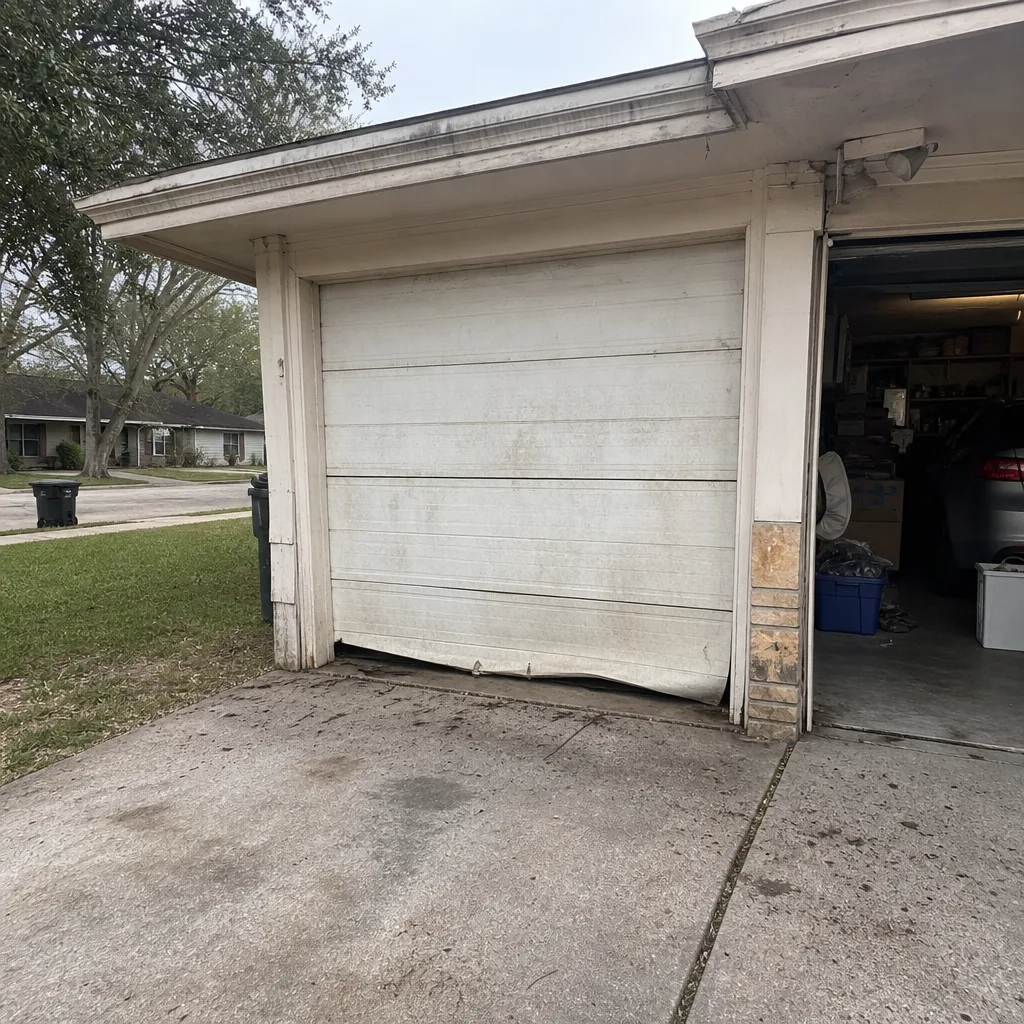 Before
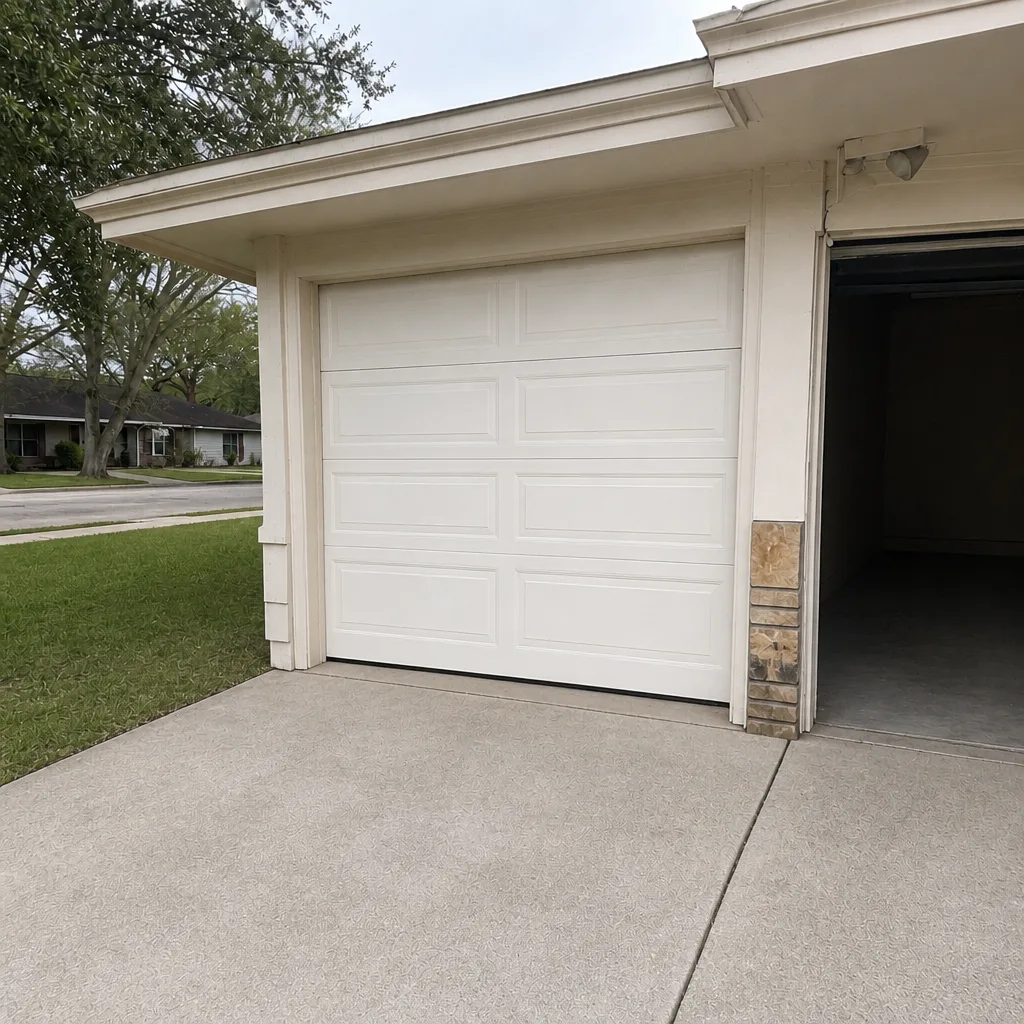 After
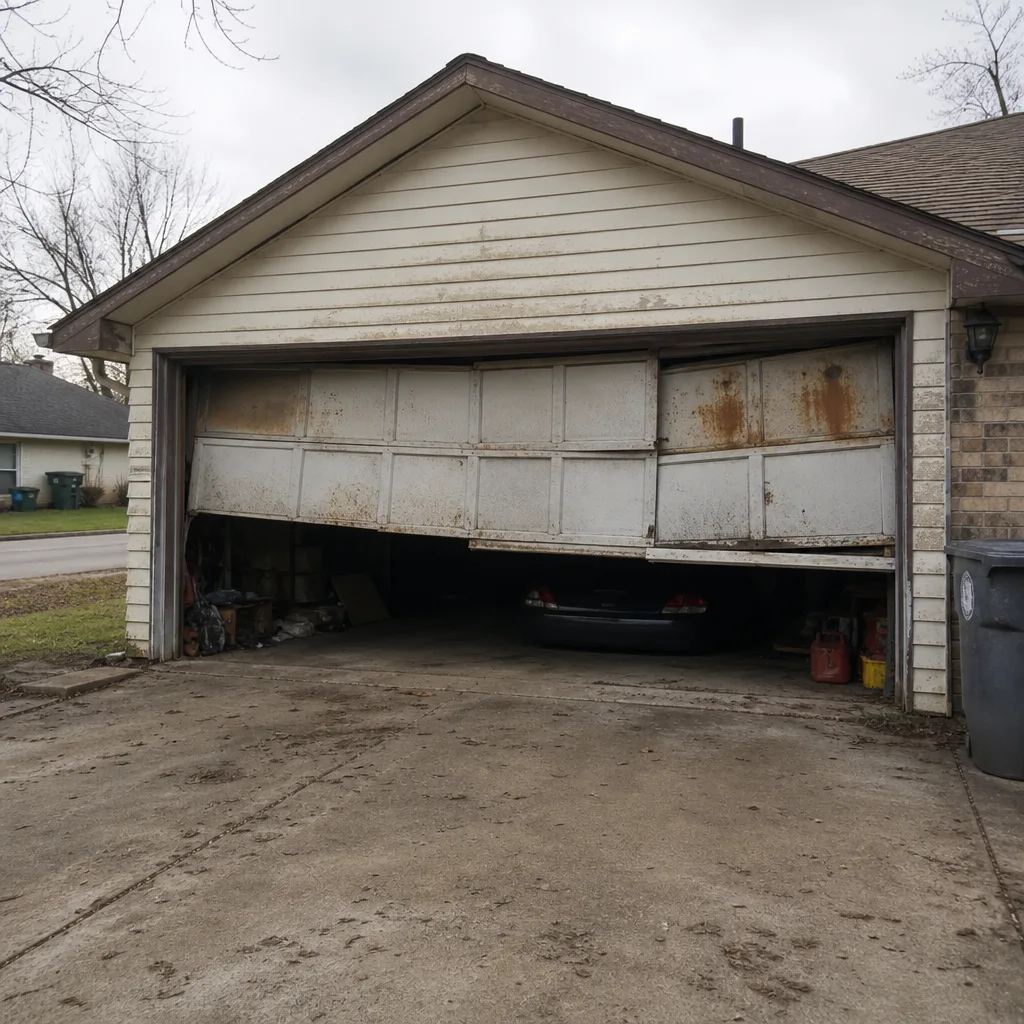 Before
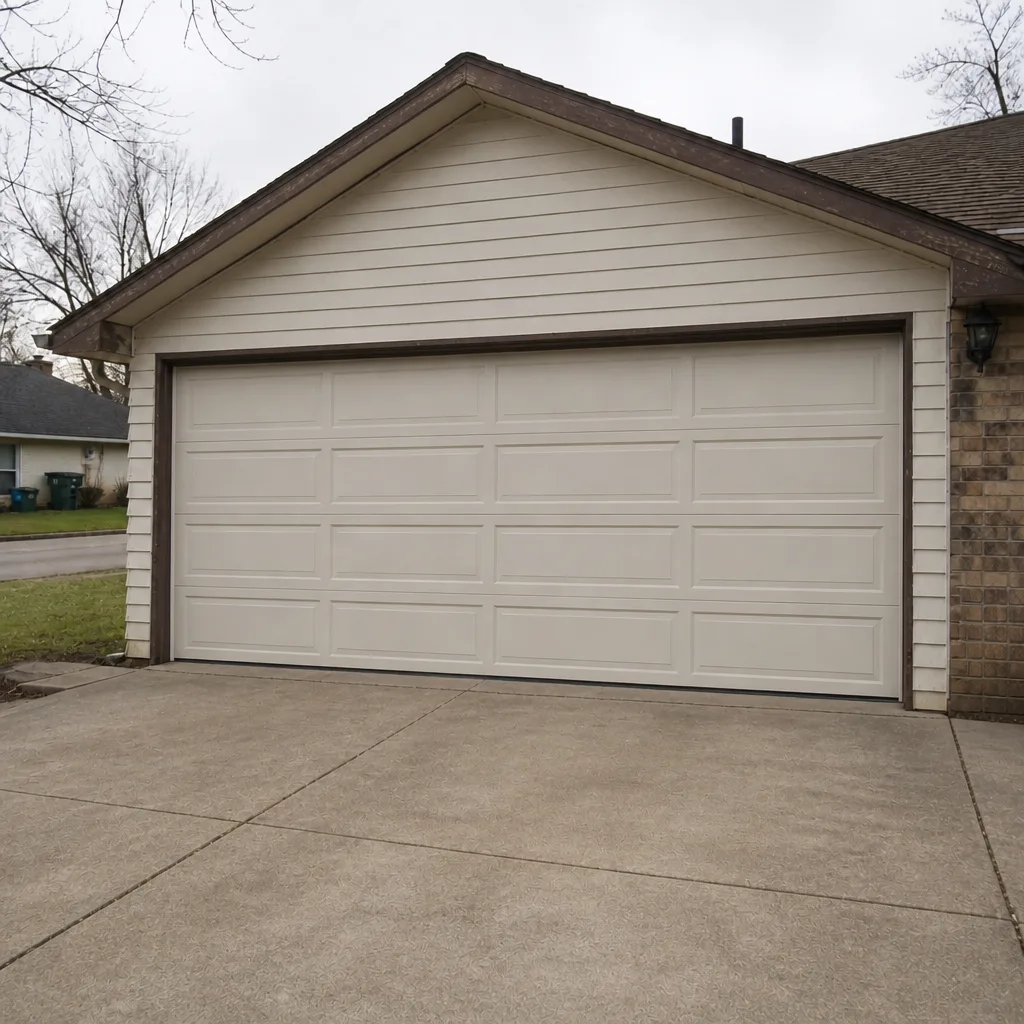 After
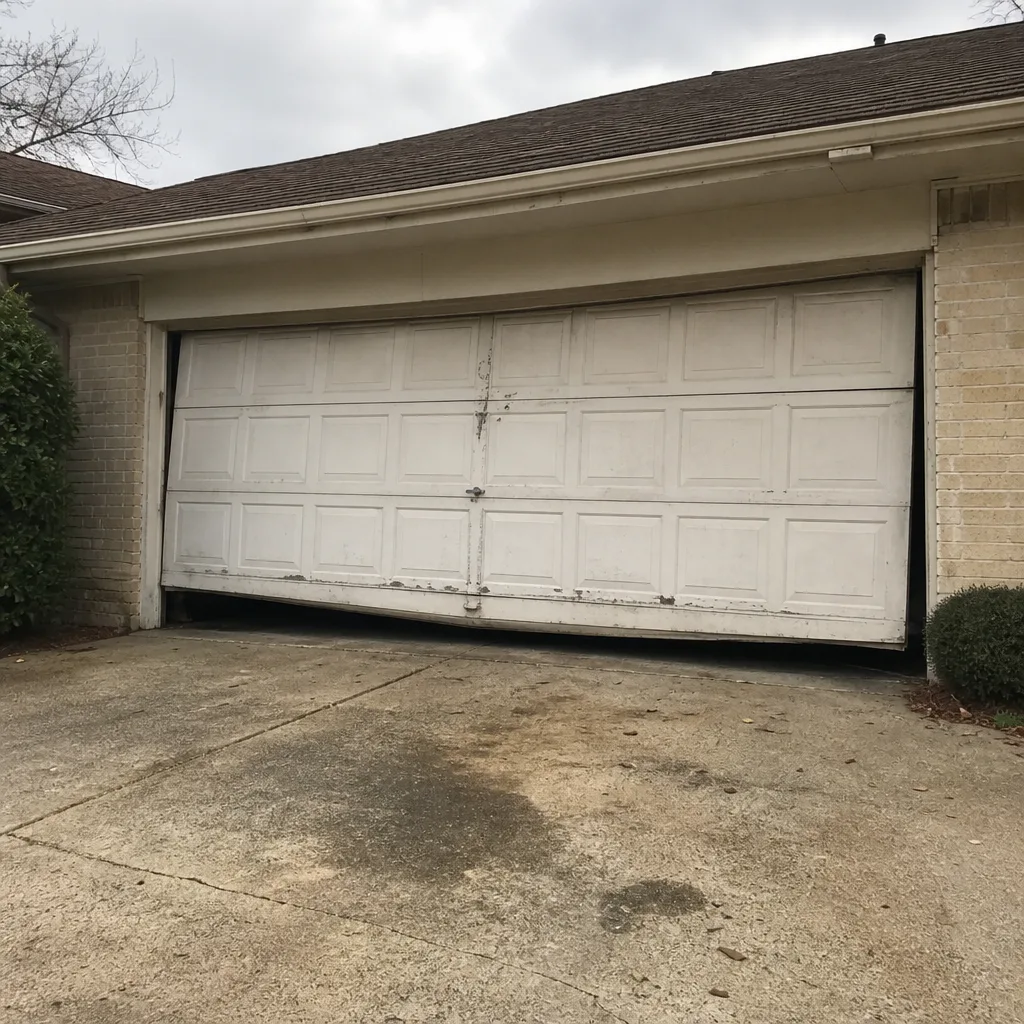 Before
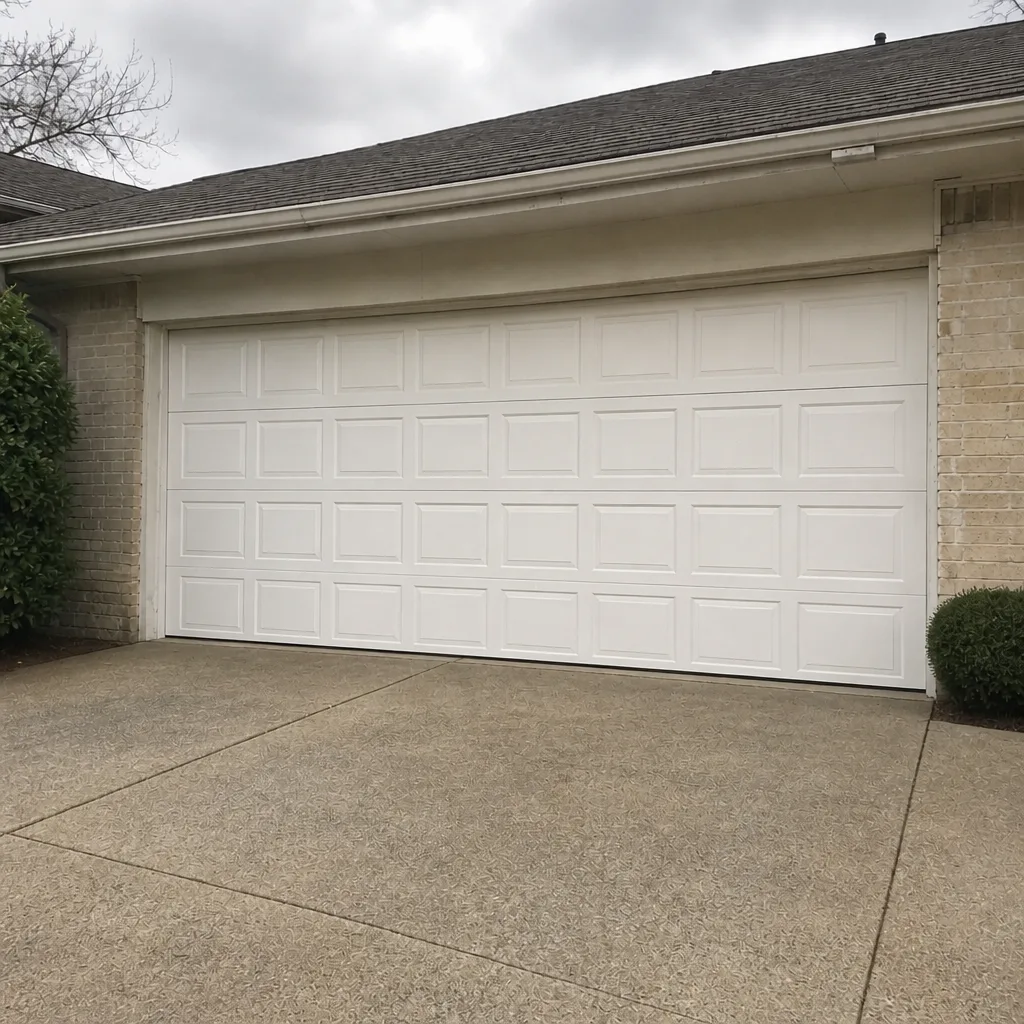 After